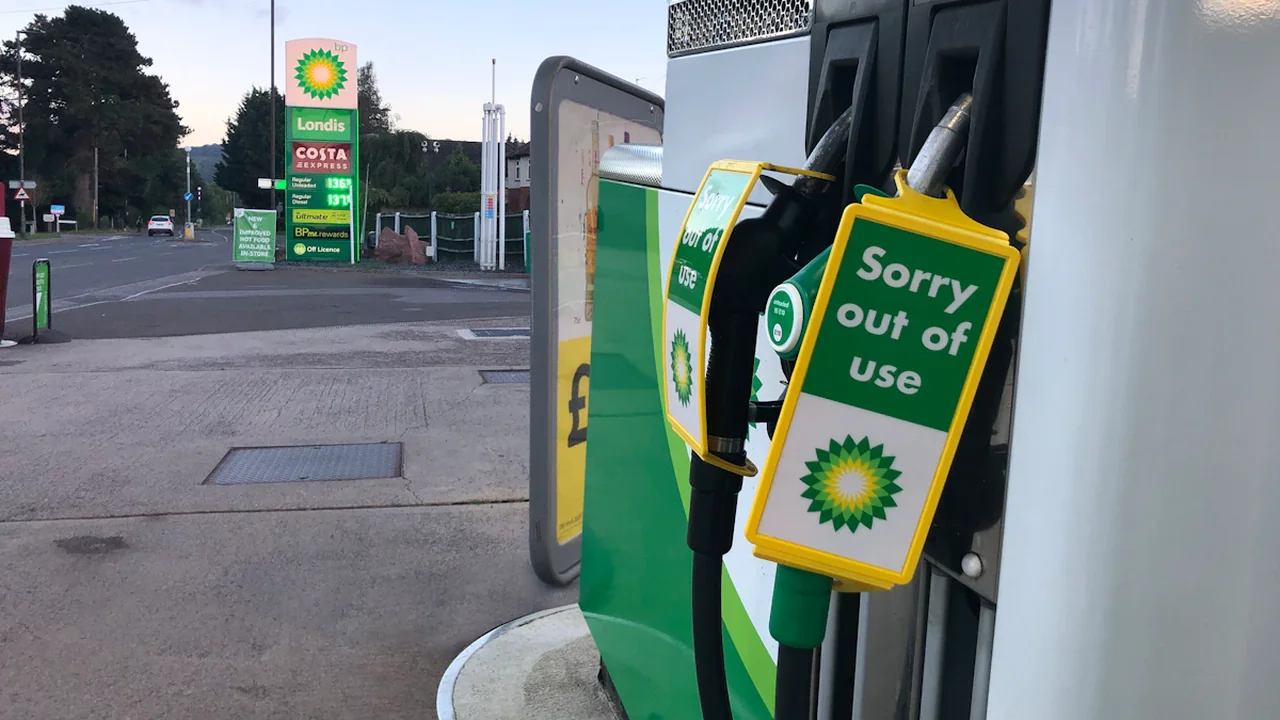
A pump that is 5p per litre cheaper saves £2 on a 40-litre fill. Whether that is worth a detour depends on the extra fuel you burn and the time you spend getting there. Compare prices for the same fuel grade, then calculate the cost of the additional journey before setting off.
The UK Department for Energy Security and Net Zero publishes weekly road-fuel prices for national context. Check the latest release for the current UK figures. A national weekly figure cannot tell you what either nearby forecourt is charging today.
Calculate the saving on the fuel you will buy
Subtract the cheaper pump price from the alternative price, then multiply the difference by the number of litres you expect to buy. Keep the units consistent: a difference in pence per litre produces a saving in pence.
Estimated pump saving = price difference per litre × litres bought.
For example, a 5p difference across 40 litres gives 200p, or £2. A small price gap matters more on a large fill than on a quick top-up. If you buy only 10 litres at the same 5p discount, the saving is 50p.
Use the amount you actually intend to buy, rather than your tank’s capacity. Also compare like with like: a cheaper price for a different petrol grade, or for diesel when you need petrol, is not a useful comparison.
Subtract the cost of the extra journey
Count only the miles added by choosing the cheaper station. If it lies directly on a route you already plan to take, the extra distance may be small. If reaching it means driving there and back, include the full detour.
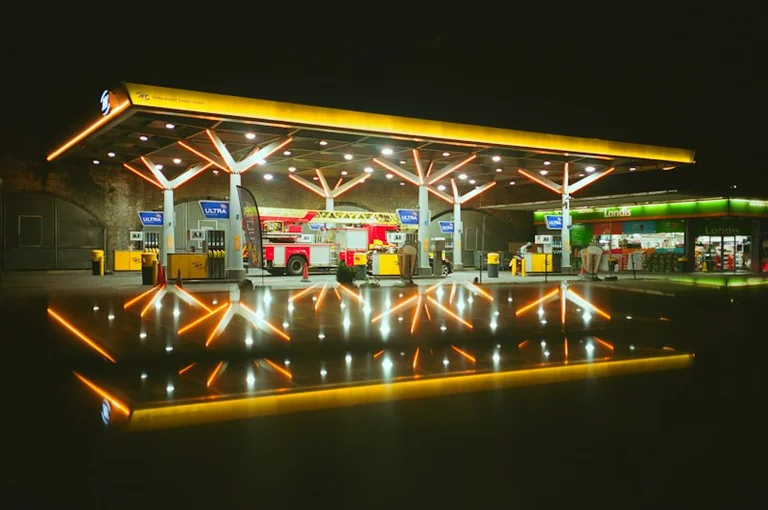
You can estimate the fuel used from your car’s typical miles per gallon: divide the extra miles by that figure, then multiply by approximately 4.55 to convert imperial gallons to litres. Multiply those litres by the price per litre you expect to pay. Real consumption can differ with traffic, speed and driving conditions, so treat the result as an estimate.
Hypothetical example: A driver plans to buy 40 litres at a station charging 5p per litre less, saving £2 at the pump. The cheaper station adds six miles. At 40 miles per imperial gallon, that detour uses about 0.68 litres. If fuel costs a hypothetical £1.50 per litre, the extra driving costs about £1.02. The estimated cash saving is therefore 98p.
That 98p does not account for the driver’s time. If the detour takes 15 minutes, the driver can decide whether that time is worth the remaining saving. Someone who assigns their time a value of £10 an hour would count another £2.50 in time cost; on that basis, this hypothetical trip would not be worthwhile.
Check the prices and the route before leaving
Pump prices can change, and a quoted price may apply to a different fuel grade or payment condition. Confirm the price you can actually use, the litres you need and the extra journey shown by your route. If a station is on a trip you are already making, recalculate using only the additional miles and minutes.
The government’s latest weekly road-fuel release helps put UK petrol and diesel prices in national context. For the decision at hand, the two relevant pump prices and your own detour determine whether the cheaper fill saves you anything.
Source: UK Department for Energy Security and Net Zero
Context & actions About this article
Source check How the calculation works
The saving depends on the prices, litres bought and extra journey; the worked prices and journey are hypothetical.
- Confirm both pump prices for the same fuel grade.
- Count the full additional distance, rather than the whole trip.
- Use your car’s typical fuel consumption and allow for time spent.
- Source
- UK Department for Energy Security and Net Zero weekly road-fuel prices
- Scope
- United Kingdom
- Updated
- 2026-10-03 09:11
Source check
Report a trust issue
Send a clear signal to community moderation if the source, facts or context need review.

Comments