
By the GlobeBids Lifestyle Desk
Published 16 August 2026
A Sunday evening picnic is practical only if conditions work at your chosen location. Before leaving, enter the destination postcode in the Met Office forecast, inspect the rainfall radar, confirm the local sunset and park closing times, and make sure chilled food can remain cold. Conditions can differ sharply across the UK, so a national weather summary is not a reliable go-or-no-go test.
The easiest approach is a flexible two-hour outing close to an indoor fallback. Pack simple food in a cool bag, carry a light waterproof layer and plan to finish with enough daylight left to clear the site properly.
Check the postcode forecast and rainfall radar before leaving
Start with the postcode for the actual picnic spot rather than your home, especially if the two locations are several miles apart. Look at the hourly Met Office forecast for the period covering the journey, picnic and return.
Next, open the Met Office rainfall radar and forecast map. The map provides a local view of rain that can help you judge whether an outdoor plan remains sensible.
Repeat both checks immediately before departure. Pay attention to:
- The likelihood and timing of rain during the full outing.
- Rainfall shown near the destination and along the travel route.
- Wind and temperature at the time you expect to eat.
- Whether the ground may already be uncomfortable after earlier rain.
- Any current Met Office warning affecting your area.
Radar is useful, but it cannot guarantee that a particular bench or patch of grass will stay dry. If conditions look marginal, shorten the plan, choose a sheltered permitted location or use the indoor fallback.
Build a flexible two-hour evening plan
Choose a park or public space that is easy to leave if the weather changes. A café, community venue, covered public area or home within a short journey can serve as the fallback, provided it is open and food may be consumed there.
A simple schedule could be:
- Before departure: check the postcode forecast, radar, sunset, travel information and park rules.
- First 20 minutes: travel and choose a clean, permitted place to sit.
- Next 60 to 75 minutes: eat while keeping unused chilled items inside the cool bag.
- Final 25 to 40 minutes: pack leftovers, collect litter and leave before darkness or the gates close.
Treat the timing as a ceiling rather than a target. Leave earlier if rain approaches, the site becomes poorly lit, transport is disrupted or food can no longer be stored safely.
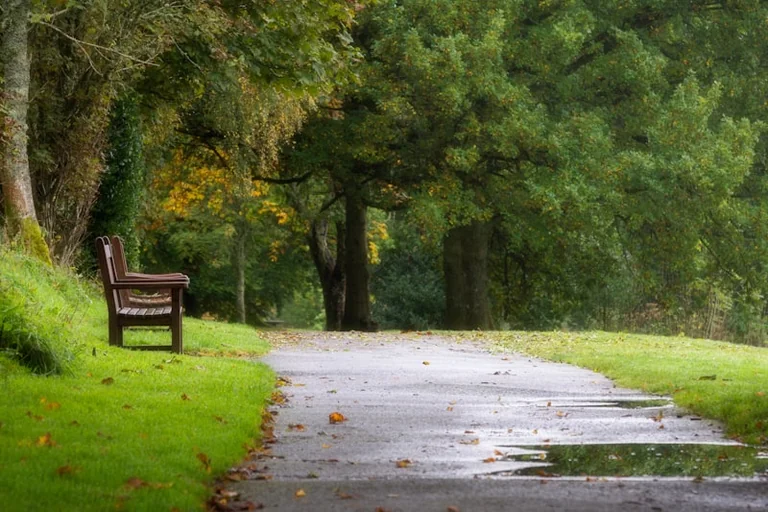
Carry a light waterproof jacket even if the local check looks favourable. A small groundsheet or wipe-clean picnic mat can help with damp grass, but it should not encourage you to stay through worsening conditions.
Keep chilled food cold and limit time outside refrigeration
The Food Standards Agency explains that cold food needs to be kept properly chilled and that its time outside refrigeration should be limited. Its food chilling guidance is the appropriate reference when deciding how to transport and handle picnic food.
Use an insulated cool bag or cool box with frozen ice packs. Chill the food thoroughly before packing it, fill the bag shortly before leaving and keep it closed as much as possible. Place it in the shade at the picnic rather than in direct sunlight or a warm vehicle.
Take out only what you are about to eat. Returning food to a cool bag does not undo time spent warming outside it, so avoid repeatedly laying out the entire picnic.
If you bring raw ingredients, keep them securely wrapped and separate from sandwiches, fruit, snacks and other ready-to-eat food. Use different sealed containers and utensils to reduce the risk of raw juices reaching food that will receive no further cooking.
Wash your hands before handling food where facilities are available. Hand gel and wipes can be useful additions, but they do not make visibly dirty hands or contaminated surfaces clean enough for safe food preparation.
Discard food when you cannot be confident that it remained safely chilled. A normal smell or appearance does not prove that questionable food is safe, and tasting it is not a suitable test.
Pack simple foods that travel well
A short evening picnic does not need a full cooked menu. Portable seasonal choices can reduce preparation and make it easier to keep the outing flexible.
Suitable ideas include:
- Tomato sandwiches packed in a sealed container and kept chilled.
- Firm fruit that will not bruise easily in transit.
- Oat bars or other shelf-stable snacks.
- Sealed cold drinks carried in the cool bag.
- A small quantity of food matched to the number of people attending.
Pack individual portions where practical so the main food container does not need to remain open. Bring reusable cutlery if needed, napkins, a bag for rubbish and a separate leakproof container for anything being taken home.
Avoid making more food than the group is likely to eat. Smaller quantities are easier to chill, carry and dispose of safely if the plan changes.
Check sunset, park gates and local restrictions
Sunset varies by date and location, and useful daylight can be reduced by cloud, trees or surrounding buildings. Check the local sunset time through an official or established local source, then schedule packing and departure comfortably before darkness rather than treating sunset as the moment to start leaving.
Consult the council, park authority or site operator for opening and closing rules. Some parks lock gates, restrict access after particular hours or have different arrangements for car parks, toilets and lighting.
Also confirm:
- Whether alcohol is prohibited or controlled at the site.
- Whether glass containers, barbecues or amplified music are restricted.
- The last suitable bus or train and any same-day service changes.
- Where bins are located and whether rubbish must be carried out.
- Whether toilets and accessible routes will remain open.
Use the relevant council or park page for site rules and the transport operator’s own service information for the journey. Do not assume that rules applying in one UK park also apply in another.
Make the final go-or-no-go decision
Go ahead when the latest postcode forecast and radar support the plan, the park will remain open, there is enough daylight for a tidy departure, transport is workable and chilled food can stay cold throughout the trip.
Switch to the indoor option if rain is approaching, the safe outdoor window is too short, the park rules are unclear, the return journey is unreliable or food storage is uncertain. The fallback is part of the plan, not a failed picnic.
Immediately before picking up the cool bag, refresh the Met Office postcode forecast and rainfall radar once more. That final local check is the most useful point at which to decide whether to head to the park or take the food indoors.
Source: Met Office
Context & actions About this article
Source check How this guide was prepared
The weather checklist uses Met Office local forecasting tools, while the food advice reflects Food Standards Agency chilling guidance.
- Use the destination postcode rather than a national weather summary.
- Inspect the Met Office rainfall radar immediately before departure.
- Keep chilled food cold and minimise its time outside refrigeration.
- Confirm sunset, park rules and transport through relevant local official sources.
- Source
- Met Office rainfall radar
- Scope
- United Kingdom
- Updated
- 2026-08-16 17:10
Source check
Report a trust issue
Send a clear signal to community moderation if the source, facts or context need review.



Comments