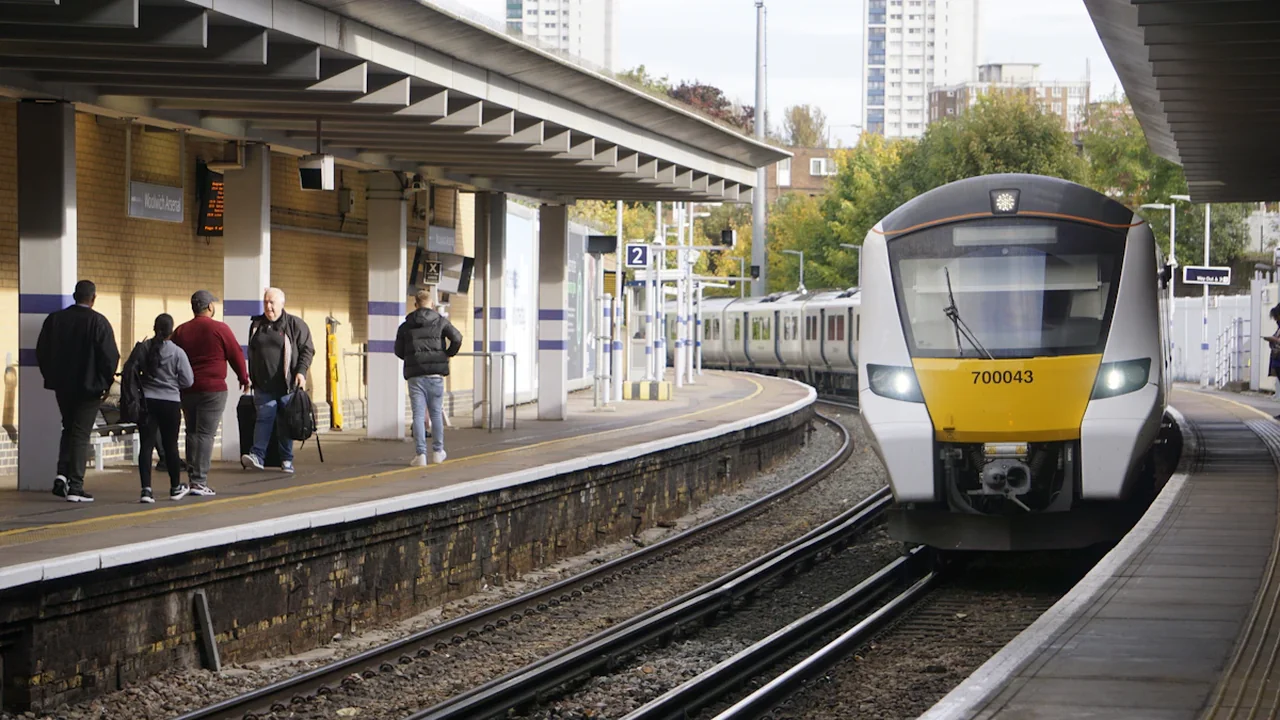
Rail passengers should prepare for possible disruption in late September as unions and national operators continue discussions over pay and working conditions. No strike dates are confirmed in the available RMT update, so commuters should watch for formal union notices and revised operator timetables before changing travel plans.
By GlobeBids Transport Desk | Published 21 August 2026
Pay negotiations remain active
The RMT union reported on 20 August 2026 that negotiations with national rail operators were continuing over pay structures. RMT and ASLEF represent different groups of rail workers, meaning any eventual action could affect services in different ways depending on which employees participate.
A consultation or discussion about possible action is not a confirmed strike announcement. Formal industrial action normally requires the relevant union to complete its legal process, identify the workers involved and serve the required notice. The applicable notice deadline should be taken from the final union announcement because legal requirements and agreements can change.
Until formal notice is issued, operators may be unable to publish reliable service-by-service plans. The Department for Transport, National Rail, train operating companies and the unions are the principal channels passengers should monitor.
Regional hubs could face wider knock-on delays
If national action is called, disruption may extend beyond cancelled intercity trains. Major hubs such as London, Birmingham, Manchester, Leeds, Glasgow, Edinburgh, Cardiff and Bristol connect national services with local and regional routes.
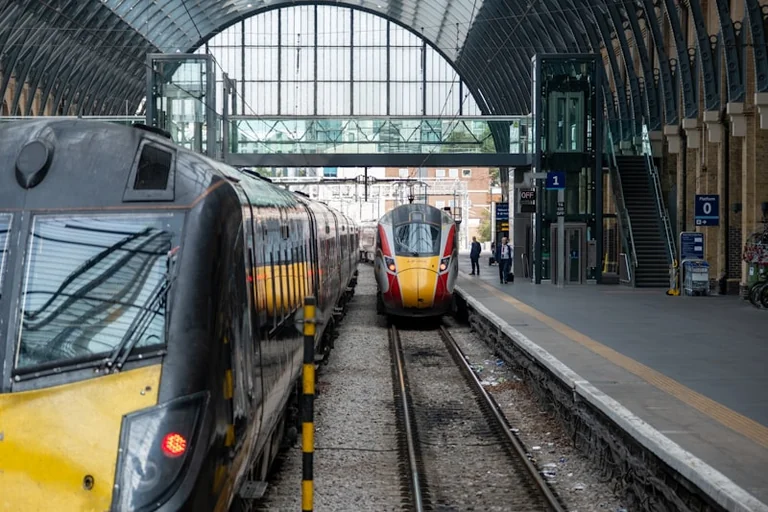
Reduced staffing at one hub can therefore produce platform changes, crowded connecting trains and missed transfers elsewhere. The effect will depend on the union involved, participating grades, operators covered and whether disruption continues into the following morning.
Passengers using the first or last train of the day may face particular uncertainty because operators sometimes run shorter service windows during industrial action. Airport connections and journeys requiring several operators also carry greater risk.
The notice timeline commuters should follow
Late-September dates being discussed should be treated as provisional unless a union publishes formal notice. The practical sequence for passengers is:
- Union consultation or ballot: Possible action is considered, but services continue as scheduled.
- Formal action notice: Named dates, participating workers and affected employers become clearer.
- Operator timetable publication: Reduced schedules and route-specific warnings may follow.
- Travel day: Further alterations can occur because of staffing, congestion or displaced passengers.
Steps passengers can take now
Commuters do not need to cancel September journeys solely because negotiations are continuing. They can, however, reduce the impact of a late timetable change:
- Check National Rail and the relevant operator before buying a new ticket.
- Prefer flexible or refundable fares for important late-September journeys.
- Identify an alternative route that does not depend on the same interchange.
- Allow additional time at major regional hubs.
- Recheck the final train home on the morning of travel.
- Review refund or delay-repayment rules if a booked service is cancelled.
A formal notice naming dates and affected operators would materially change the position. Until then, passengers should distinguish confirmed service information from dates that remain under discussion.
Source: RMT Union
Context & actions About this article
Source check Source context
RMT confirms continuing pay negotiations, but the available update does not establish formal industrial-action dates.
- RMT update dated 20 August 2026 confirms ongoing negotiations over pay structures.
- No confirmed strike date is established by the cited update.
- Passengers should verify affected operators through official union and railway announcemen...
- Source
- RMT Union
- Scope
- United Kingdom
- Updated
- 2026-08-21 17:32
Source check
Report a trust issue
Send a clear signal to community moderation if the source, facts or context need review.


Comments