By GlobeBids Travel Desk
British travellers making short visits to the Schengen Area may face additional registration steps under the European Union’s Entry/Exit System. Eligible non-EU visitors can be asked to provide travel-document and biometric information, so passengers should follow instructions from their airline, ferry operator or Eurotunnel service before departure.
Key points
– EES electronically records eligible travellers’ entries and exits at Schengen external borders.
– Initial registration may involve a facial image, fingerprints and passport checks.
– Procedures can differ between airports, ferry terminals and border controls located in the UK.
– EES is separate from ETIAS and does not change the 90-days-in-180 rule.
EES registration can add steps to the border check
The Entry/Exit System is designed to replace routine manual passport stamping for travellers within its scope. It records when an eligible non-EU visitor enters and leaves, alongside travel-document details and biometric information.
Read also: EES border checks: an autumn travel guide for Britons
For many UK passport holders travelling for a short stay, the most noticeable change may come during their first EES registration. A border officer or self-service system may collect the required information and ask the traveller to complete additional checks before entry is granted.
Subsequent journeys may involve verification against the stored record rather than a complete first registration. Travellers must still present a valid passport, answer border questions when asked and satisfy the normal conditions for entering the Schengen Area.
Families and groups should allow for the possibility that individuals will need to complete checks separately. Anyone who requires assistance should use the arrangements identified by the carrier or border operator rather than assuming that every terminal has the same facilities.
Airports, ferry terminals and Eurotunnel use different layouts
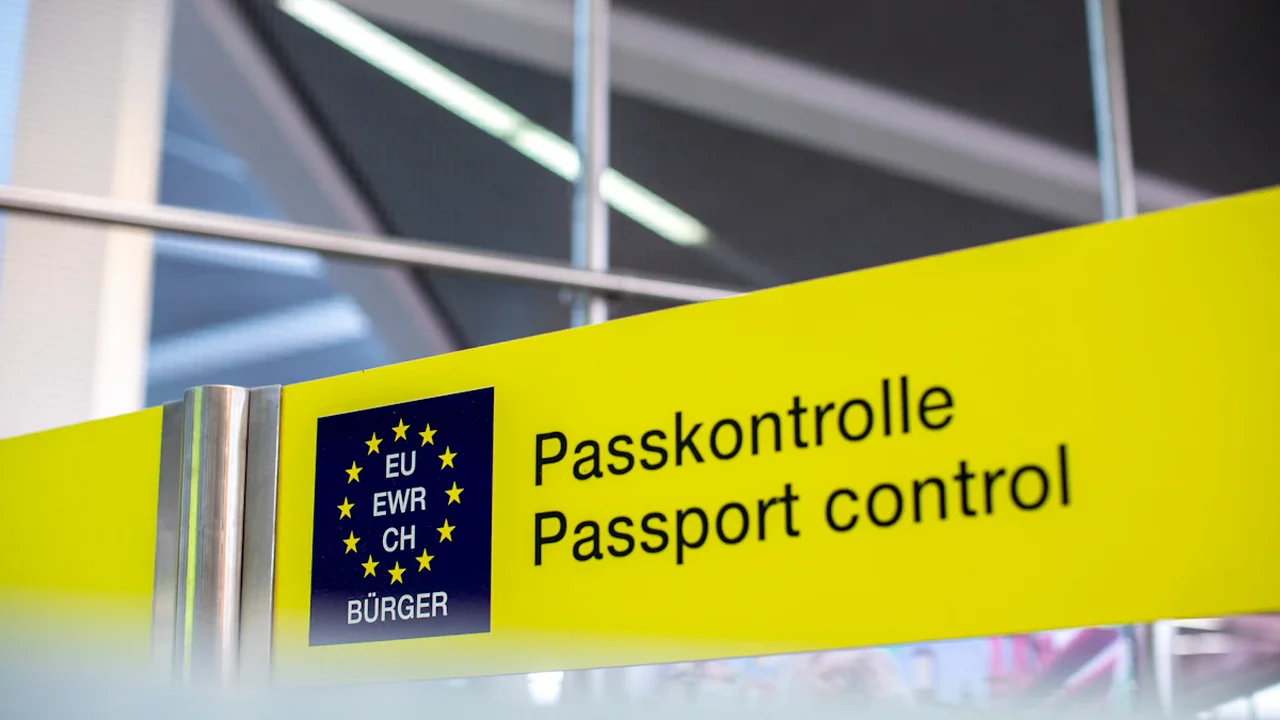
At an airport, EES checks may take place after arrival at the destination’s passport-control area. The sequence can include a kiosk, an officer’s desk or both, depending on the airport and how its border facilities are organised.
Some cross-Channel journeys work differently because French border controls are juxtaposed with UK departure facilities. This means passengers using certain ferry routes, Eurostar terminals or Eurotunnel services may complete the relevant Schengen border process before leaving the UK.
Vehicle passengers may receive different instructions from foot passengers, while ports can direct travellers to designated lanes or registration areas. These operational differences make carrier messages particularly important: travellers should check booking emails, terminal guidance and official departure information for their specific route.
No single queue estimate applies across all routes. Passenger numbers, terminal capacity, staffing and the proportion of people completing an initial registration can all affect the experience.
EES does not replace ETIAS or extend permitted stays
EES and ETIAS perform different functions. EES is a border system that records eligible entries and exits, while ETIAS is a separate travel-authorisation scheme for visa-exempt visitors when it applies to their journey.
An ETIAS authorisation does not replace passport control or EES processing. Equally, an EES record is not an ETIAS authorisation. Travellers should check the official status and requirements of both systems before relying on information from an older booking guide or social-media post.
EES also does not give visitors extra time in the Schengen Area. The existing limit of 90 days in any 180-day period continues to apply to ordinary short stays, calculated across the participating Schengen countries rather than separately for each destination.
Residents, dual nationals and protected rights need individual checks
Not every traveller follows the standard short-stay process. Residence status, nationality, the passport presented and rights under the Withdrawal Agreement can affect whether EES applies and what evidence should be shown.
Residents, dual nationals and people travelling under Withdrawal Agreement rights should consult official guidance for their circumstances. They should also carry the passport, residence document or other evidence specified for the status under which they are travelling.
Before departure, short-stay visitors should:
- Check the passport validity rules for their destination and travel dates.
- Read the latest instructions from the airline, ferry company, rail operator or Eurotunnel service.
- Keep booking, accommodation and onward or return travel details accessible.
- Confirm whether residence, dual-nationality or Withdrawal Agreement circumstances change the process.
- Review the European Union’s EES guidance and GOV.UK advice for British citizens.
The most useful final check is the carrier’s route-specific departure guidance, because it identifies where passengers will encounter border controls and whether they must complete any steps before reaching the terminal.
Source: European Union
Context & actions About this article
Source check Official guidance
This guide uses official European Union and UK government information on EES checks for British short-stay visitors.
- Checked the EU description of the information recorded by EES.
- Checked UK government guidance for British short-stay travellers.
- Kept EES separate from ETIAS and the Schengen stay limit.
- Directed travellers with residence or protected rights to individual official guidance.
- Source
- European Union Entry/Exit System guide
- Scope
- United Kingdom and the Schengen Area
- Updated
- 2026-08-31 18:34
Source check
Report a trust issue
Send a clear signal to community moderation if the source, facts or context need review.




Comments