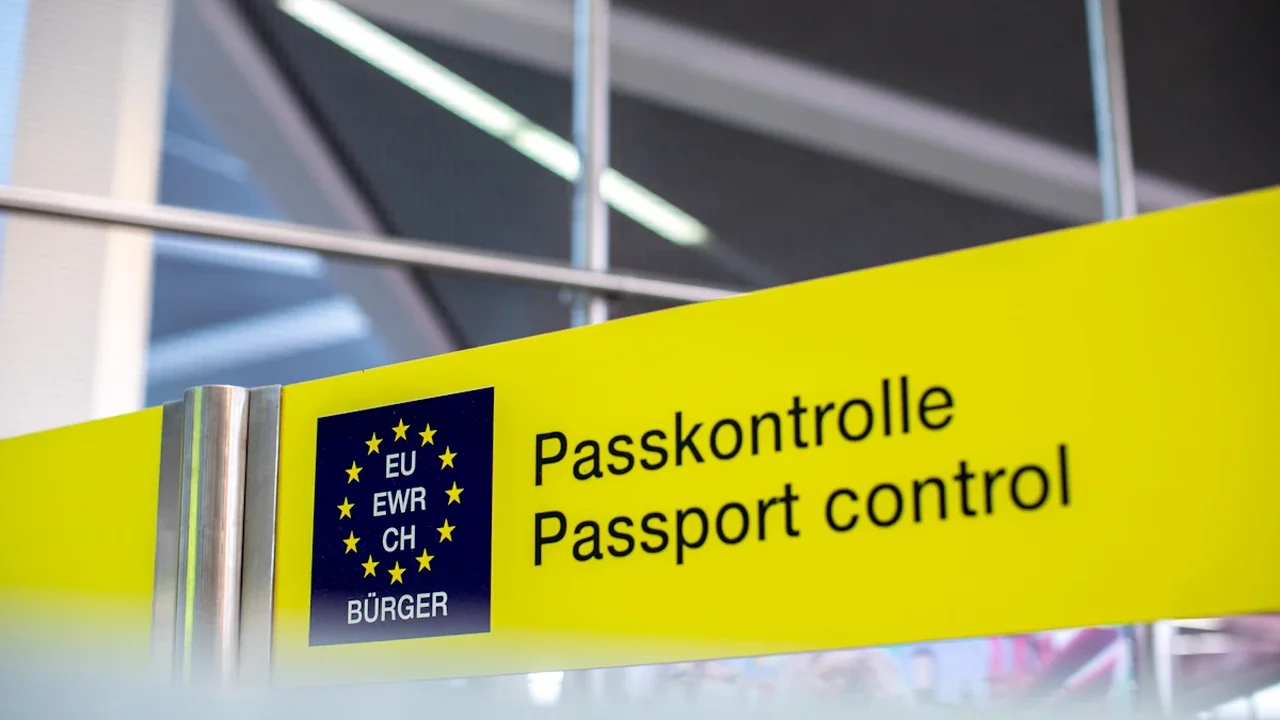
By GlobeBids Travel Desk
Updated 14 August 2026
The European Union’s Entry/Exit System, known as EES, changes how many British short-stay visitors are registered when crossing the Schengen area’s external borders. Travellers may need facial and fingerprint checks, while the exact process will depend on the border, transport operator and facilities available.
The European Union’s EES portal explains that the system records travel-document details, biometric data where required, entries, exits and refusals of entry.
Which UK travellers are covered by EES
EES generally applies to non-EU nationals making short stays in the Schengen area, whether they travel visa-free or hold a short-stay visa. This includes most British citizens visiting for holidays, business trips or family visits.
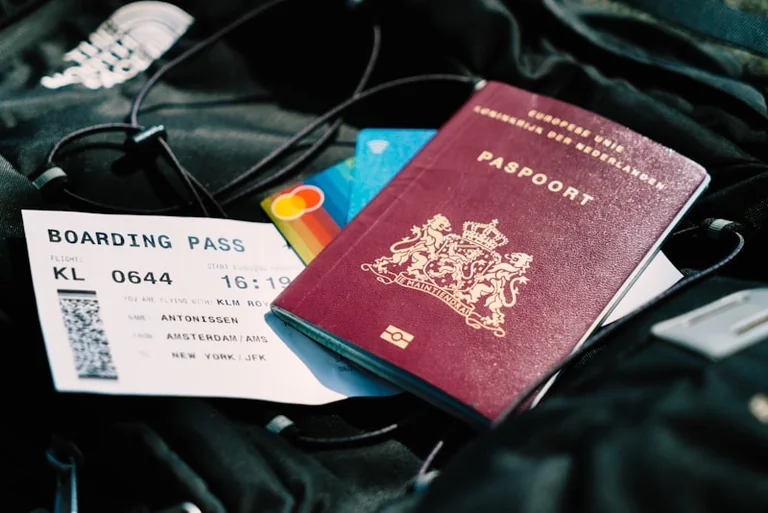
Residence-document holders, people with long-stay visas and other exempt categories may face different rules. Travellers in these groups should consult the EU guidance and the entry requirements for their destination before departure.
What happens during an EES border check
A first EES registration may take longer because border officers or self-service equipment can collect passport details, a facial image and fingerprints where required. The system also creates an electronic record of the traveller’s entry or exit.
On later journeys, border authorities may retrieve the existing record and verify the traveller’s identity. Further checks can still be required. An e-gate-compatible UK passport does not guarantee access to an e-gate or an identical process at every crossing.
Airports, rail terminals and ferry crossings may differ
At airports, EES processing can take place when a passenger enters or leaves the Schengen area. The journey may involve a kiosk, an officer-controlled desk or both, depending on the airport’s arrangements.
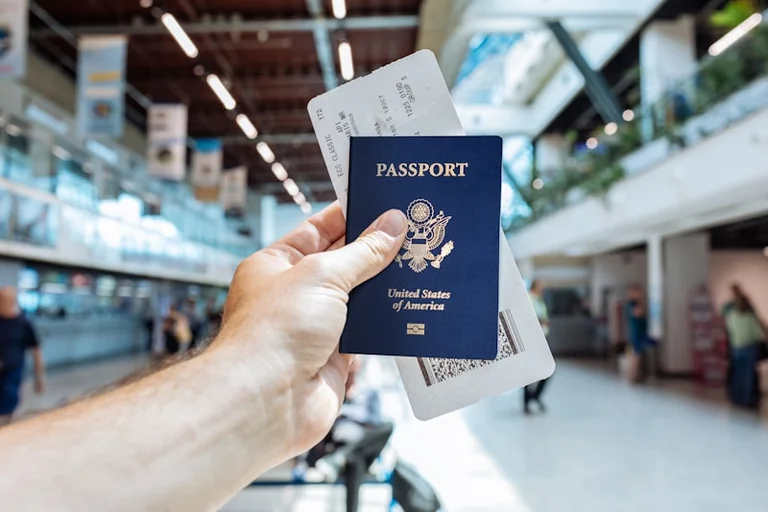
At juxtaposed rail terminals, Schengen border formalities can occur before boarding in the UK. Ferry ports and vehicle crossings have different layouts, so passengers may be directed to booths, kiosks or designated registration areas. People travelling in the same vehicle may need to follow separate instructions.
Carriers and border authorities determine the route through each terminal. Passengers should therefore follow instructions for their specific airport, train service, ferry port or vehicle terminal rather than assuming a previous process will apply.
EES and ETIAS serve different purposes
EES records border crossings and relevant traveller information. ETIAS is a separate travel-authorisation system for eligible visa-exempt visitors. Registering in EES is not an ETIAS application, and an ETIAS authorisation does not replace border checks.
Complete these checks before departure
Before travelling from the UK to the Schengen area:
- Check passport-validity rules for the destination and travel dates.
- Confirm compliance with the 90-days-in-180-day rule.
- Allow extra time for border processing, particularly on a first EES journey.
- Read the carrier’s instructions for the departure terminal.
- Carry any residence document or visa relevant to an exemption.
Use the UK Foreign, Commonwealth & Development Office travel-advice pages to check current country-specific entry requirements and alerts. Recheck the EU and carrier guidance shortly before departure because procedures can vary by location.
Source: European Union
Context & actions About this article
Source check Official travel guidance
This guide draws on European Union EES information and UK government destination advice.
- Checked the categories of short-stay travellers covered by EES.
- Checked which travel and biometric information EES registers.
- Directed travellers to current country-specific UK government advice.
- Source
- European Union Entry/Exit System portal
- Scope
- United Kingdom and the Schengen area
- Updated
- 2026-08-14 17:50
Source check
Report a trust issue
Send a clear signal to community moderation if the source, facts or context need review.




Comments