By GlobeBids Travel Desk
Updated: 17 August 2026
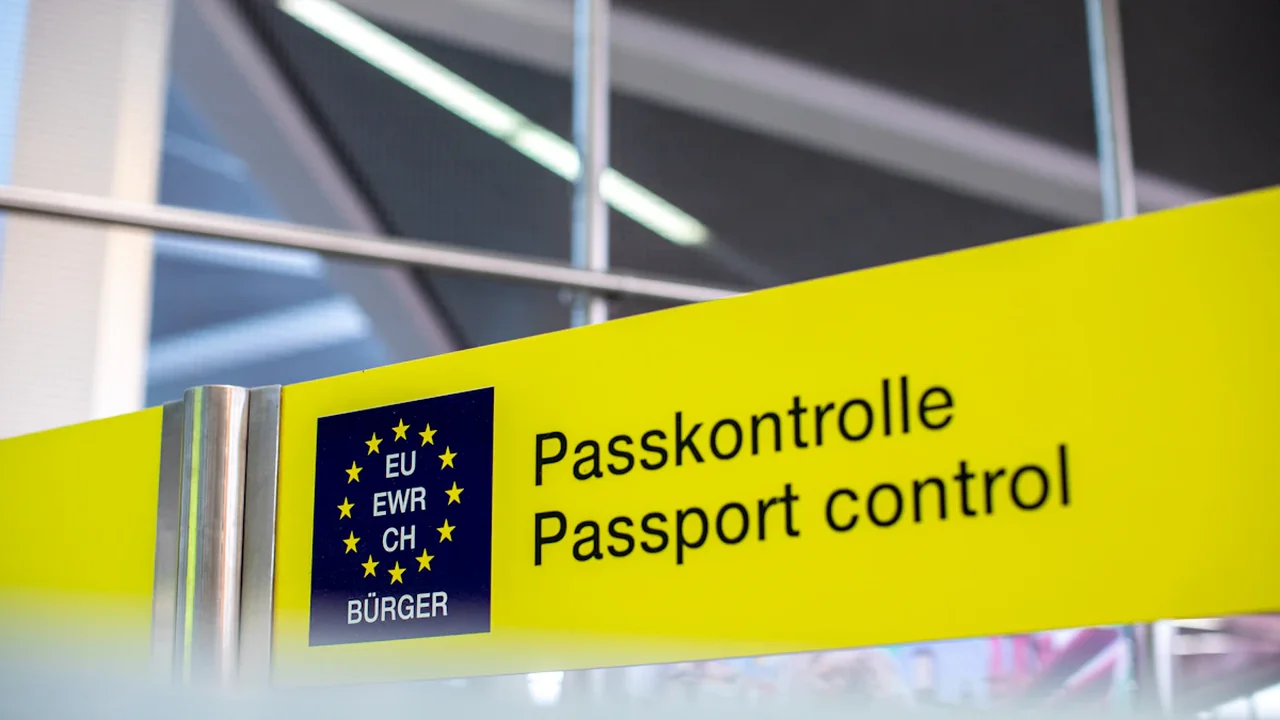
UK passport holders travelling to participating European countries this summer should leave extra time for border formalities. The Entry/Exit System, or EES, introduces biometric registration for many non-EU visitors making short stays, so the first crossing may involve more steps than a familiar passport check.
The process will not take the same amount of time everywhere. Airports, ferry terminals, rail terminals and road crossings have different layouts, passenger volumes and registration facilities. Travellers should therefore follow instructions from their carrier and departure point instead of relying on a single estimated queue time.
EES changes the border process for short European trips
EES is an automated European border system for registering eligible non-EU nationals when they enter or leave participating countries for a short stay. For most British holidaymakers using a standard UK passport, that means their border movement is recorded electronically rather than through routine manual passport stamping.
The system covers short visits permitted under Schengen rules, normally up to 90 days in any 180-day period across the relevant countries. It records travel-document information and details associated with entry, exit or a refusal of entry.
EES registration does not guarantee admission. Border officers retain responsibility for checking whether a traveller meets the entry conditions.
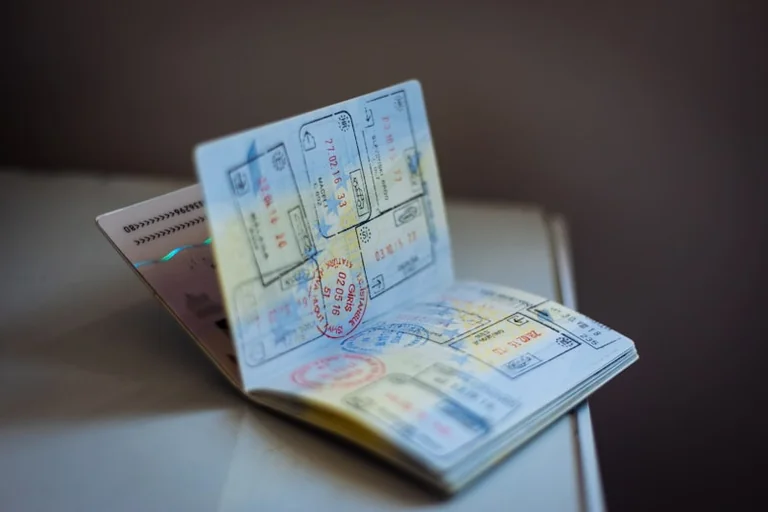
First-time registration can include fingerprints and a facial image
A traveller registering for the first time may need to provide:
- Information from their passport or other accepted travel document
- A live facial image
- Fingerprints where required
- Answers or documents requested during the border examination
At later crossings, border authorities can use the stored EES record to verify the traveller’s identity and register the new entry or exit. A repeat journey may therefore involve a different process from the initial registration, although further checks remain possible.
Some crossing points may provide kiosks or other self-service equipment, while others may direct passengers through staffed areas. Travellers should pay attention to signs and staff instructions and keep their passport readily available.
Airports, ferry ports and rail terminals may handle checks differently
For a flight, EES registration will generally form part of the external-border process at the relevant European airport. Ferry, rail and road journeys may be organised differently, especially where European border controls take place before departure from the UK.
This matters for passengers using services through ports or international rail terminals: the biometric stage may occur before boarding rather than after arrival. Families and groups should allow enough time for each eligible traveller to complete the required checks.
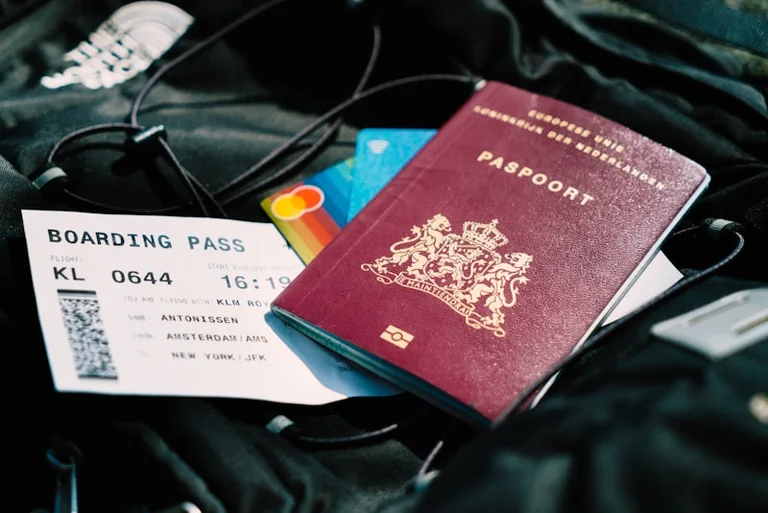
Carrier check-in deadlines and EES processing are separate considerations. Arriving by the normal check-in deadline may not always provide a comfortable margin during a busy summer departure period, so passengers should review the latest operator and terminal advice before setting out.
Complete these checks before leaving for Europe
Use this pre-travel checklist for a short visit:
- Confirm whether the country and crossing point participate in EES.
- Read current guidance from the airline, ferry company, rail operator, airport or port.
- Check that the passport meets the destination’s issue-date and expiry-date rules.
- Review previous Schengen travel to ensure the trip remains within the permitted short-stay allowance.
- Keep transport, accommodation and return-journey details accessible in case they are requested.
- Build a flexible time margin into connections, transfers and onward bookings.
- Check whether a visa, residence document or another status changes how the rules apply.
Travellers with rights under a residence scheme, a long-stay visa or another exemption should consult official guidance for their circumstances rather than assuming the standard visitor process applies.
EES registration and ETIAS authorisation are separate
EES is not ETIAS. EES registers eligible travellers at participating external borders, including biometric and travel-document data. ETIAS is a separate travel-authorisation scheme intended to require eligible visa-exempt visitors to obtain approval before travelling when that scheme applies.
Completing an EES registration will not replace an ETIAS authorisation, and an ETIAS approval will not remove the need to pass through EES border controls. Before departure, check the official EU EES information and the UK government’s guidance, then confirm any journey-specific instructions with the carrier or port.
Source: European Union
Context & actions About this article
Source check Official travel guidance
This guide draws on official European Union and UK government information about EES registration for British travellers.
- Confirmed that EES covers eligible non-EU nationals making short stays.
- Checked the passport-data, facial-image and fingerprint requirements.
- Kept EES border registration separate from ETIAS travel authorisation.
- Avoided a fixed queue estimate because facilities vary by crossing point.
- Source
- European Union EES information
- Scope
- United Kingdom and participating European countries
- Updated
- 2026-08-17 16:20
Source check
Report a trust issue
Send a clear signal to community moderation if the source, facts or context need review.




Comments