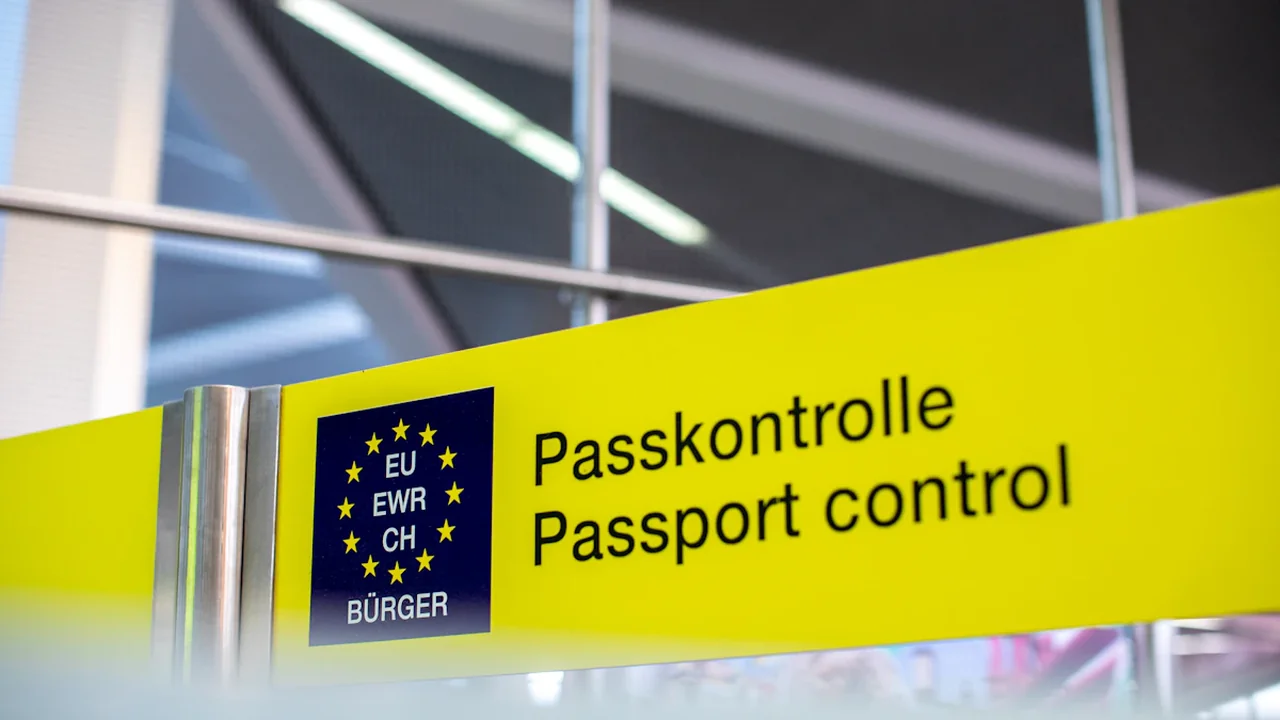
By GlobeBids Travel Desk | 12 August 2026
A British passport that is valid for a trip may still fail an entry check if its issue date, expiry date or planned stay does not meet the rules of the destination. Before late-summer travel, check the country you are visiting—not simply “Europe”—and allow for separate checks by your carrier and border officials.
Start with the country you are actually entering
Europe is not one passport area. The Schengen Area is a group of countries with shared rules for many short external-border visits, while the European Union is a political and economic union; their memberships do not match exactly.
That matters for an itinerary involving, for example, a Schengen country, Ireland, Cyprus or another non-Schengen destination. Entry conditions, visa requirements and passport-validity rules can differ. The Foreign, Commonwealth & Development Office (FCDO) publishes destination-specific guidance for UK travellers, including passport and entry requirements.
Check both dates in your British passport
For many Schengen short visits, British passport holders are commonly asked to have a passport that was issued less than 10 years before arrival and remains valid for at least three months after the date they plan to leave the Schengen Area. But this is not a blanket rule for every European destination or every type of travel.
Check these details before booking onward travel:
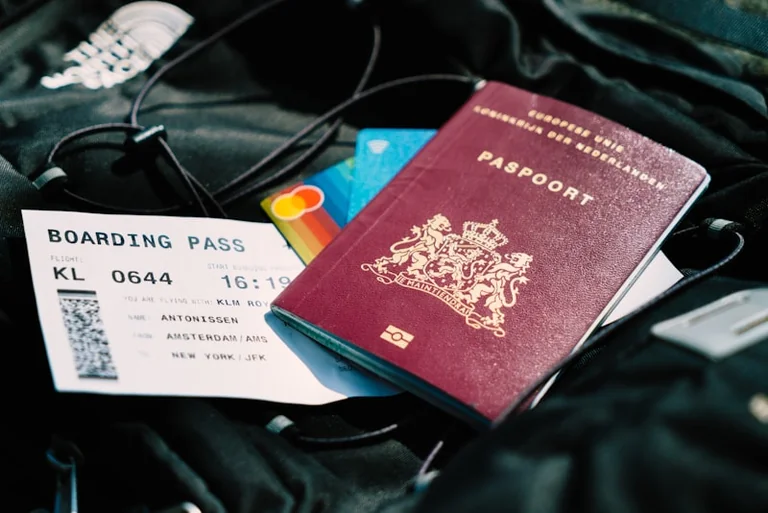
- the passport’s issue date as well as its expiry date;
- how long you intend to stay, including transit and multi-country plans;
- whether your destination has additional entry, visa or document requirements;
- whether children travelling with you need separate documents or permissions.
A passport can look current while its issue date creates a problem under a destination’s rules. Equally, an itinerary can change the date by which the passport must remain valid.
Count Schengen days across the whole area
For most visa-free short visits by British citizens, the usual Schengen limit is 90 days in any 180-day period. The total covers time spent across the Schengen Area, rather than allowing 90 days in each country.
Previous holidays, work trips and visits to several Schengen countries can all affect the remaining allowance. Use the European Commission’s EU short-stay calculator before travel if you have been in the area recently or have a complex itinerary. Different rules may apply to people with visas, residence permits or other status.
Why checks can happen more than once
Airlines, ferry operators and rail carriers may check whether you appear to have the documents needed for entry before they let you travel. Border control then makes its own decision at the external border. A carrier’s check is not a guarantee of admission, and arriving at a terminal with a passport is not proof that every entry condition has been met.
A practical pre-departure check
- Open the FCDO travel-advice page for each destination and transit country.
- Read its entry-requirements and passport sections in full.
- Confirm passport issue and expiry dates against that guidance.
- Calculate Schengen days if you have made previous visits.
- Carry any supporting documents the destination says may be required.
The final check should be the FCDO page for your exact destination, alongside the European Commission guidance on crossing Schengen external borders.
Source: UK Government
Context & actions About this article
Source check Official travel guidance
Entry rules depend on your destination, passport dates and individual travel plans.
- Read the FCDO entry requirements for every destination and transit country.
- Check your passport issue date and expiry date.
- Use the EU short-stay calculator for recent Schengen travel.
- Source
- UK Government foreign travel advice
- Scope
- Europe
- Updated
- 2026-08-12 16:02
Source check
Report a trust issue
Send a clear signal to community moderation if the source, facts or context need review.




Comments