By GlobeBids Health Desk
Updated 24 August 2026
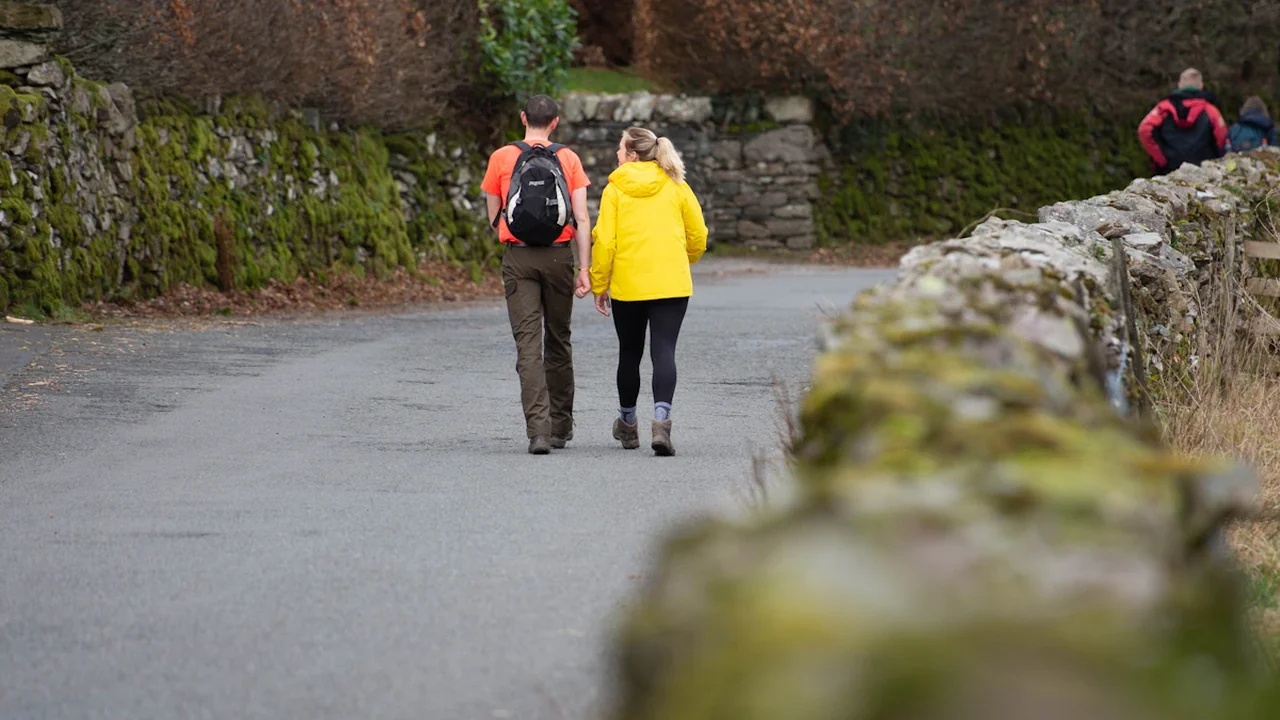
Compared with remaining seated, gentle walking after eating can produce a smaller post-meal rise in blood glucose in controlled studies. That is a useful finding, but not evidence that a short walk cancels an unbalanced meal, guarantees long-term health benefits or replaces diabetes treatment.
For most people, the practical value is simpler: comfortable movement breaks up sitting, keeps the body mobile and may help manage the immediate glucose response to a meal. It can be an outdoor walk, indoor laps or light household activity, without a compulsory pace, distance or duration.
Why gentle movement can affect blood glucose after eating
Carbohydrate-containing food is broken down into glucose, which enters the bloodstream. Insulin helps move that glucose into cells, while contracting muscles can also use glucose for energy. This provides a plausible reason why moving after a meal may alter the size or timing of the glucose rise.
Research comparing light walking with uninterrupted sitting generally points in the same direction: post-meal movement can reduce glucose exposure over the period being measured. Studies of interrupted sitting also suggest that replacing some sedentary time with brief bouts of activity may be more helpful than staying seated continuously.
The effect is not identical for everyone. Meal composition, activity level, sleep, stress, glucose regulation, medication and the timing of movement can all influence the result. A person without diabetes may see a different response from someone with insulin resistance or diabetes.
This is also an immediate physiological response, not proof of a cure. Many studies use controlled settings, relatively small groups or short observation periods. They can show what happened to glucose during a study window, but they cannot establish that every post-meal walk will prevent diabetes, cardiovascular disease or other long-term conditions.
The benefits extend beyond a glucose reading
A walk does not need to produce a dramatic change on a fitness tracker to have value. Moving after a meal can interrupt a long spell of sitting and create a regular opportunity to use the joints and muscles.
Potential benefits include:
- breaking up prolonged sedentary behaviour;
- supporting everyday mobility and balance through regular movement;
- adding manageable activity without requiring a separate workout;
- providing fresh air, daylight or social contact when walking outside;
- helping some people feel less sluggish after eating.
These benefits should be understood as possibilities rather than promises. Walking may feel comfortable and refreshing for one person but tiring, painful or impractical for another. People with mobility limitations can still consider an appropriate form of light movement, provided it is safe for them.
Physical activity recommendations usually focus on overall patterns across the week, including aerobic activity, strength work and reducing extended sitting. Post-meal movement can contribute to that pattern, but it is only one part of it.
What an after-meal walk cannot do
The idea becomes misleading when a walk is presented as a metabolic shortcut. It cannot reliably erase the effects of excess energy intake, low dietary variety, smoking, poor sleep or an otherwise inactive routine.
It also does not make a particular food automatically healthy or unhealthy. A glucose response is only one dimension of nutrition. Fibre, protein, fats, vitamins, minerals, portion size and the wider eating pattern still matter.
Most importantly, post-meal activity is not a substitute for prescribed medication, glucose monitoring or professional care. Someone who notices high or low readings should not use walking to correct them unless that action is already included in an agreed clinical plan.
Consumer glucose sensors can make small fluctuations look highly significant. A single reading may be affected by sensor delay, measurement variation and the exact composition of a meal. Patterns interpreted with a qualified clinician are more useful than trying to flatten every rise independently.
Flexible ways to move without chasing a target
There is no universal pace or duration that everyone must follow. The suitable option is one that feels comfortable, fits the surroundings and respects the person’s health, energy and mobility.
Possible choices include:
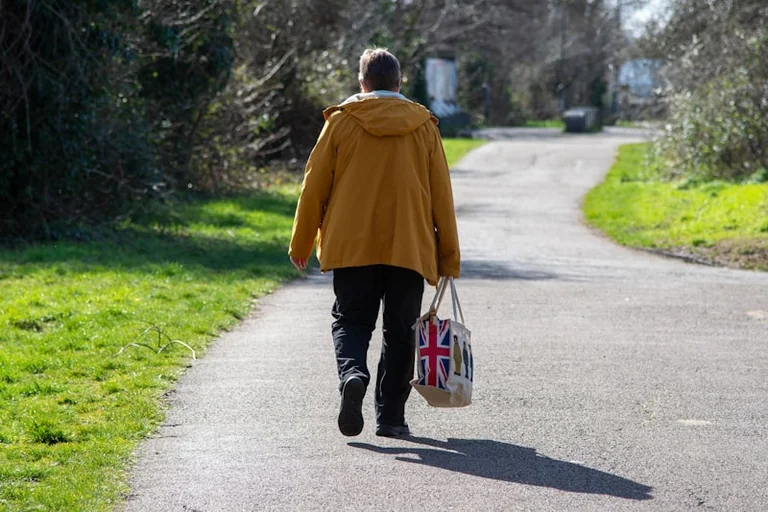
- a relaxed walk along the street, through a garden or around a building;
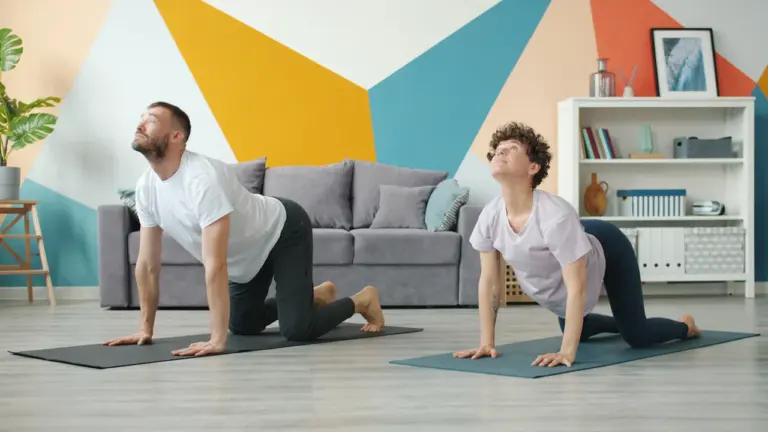
- indoor laps through available rooms or a corridor;
- putting away dishes or wiping kitchen surfaces;
- light tidying, watering plants or another gentle household task;
- supported standing or clinician-approved seated movement for someone who cannot walk safely.
Conversation should remain comfortable during a gentle walk. There is no need to turn every meal into a workout, walk immediately when that feels unpleasant or continue until a device records a particular target.
Habit pairing may make movement easier to remember. Someone might walk while making a phone call, clear the table after dinner or take an indoor lap before settling down for the evening. Missing an opportunity is not a failure; the aim is a sustainable pattern rather than perfect compliance.
When walking after a meal needs extra caution
Stop moving if dizziness, faintness, unusual breathlessness or chest pain develops. Chest pain that is severe, persistent or accompanied by sweating, nausea, breathlessness or pain spreading to the arm, jaw, back or stomach requires urgent medical help. In the UK, call 999 when a heart attack may be occurring.
People with recent surgery, an injury, significant pain, balance difficulties or restricted mobility should follow advice from their surgeon, physiotherapist or other treating professional. A walking aid, supervision or a different form of movement may be appropriate. If falls are a concern, indoor routes should be uncluttered and well lit.
Anyone adjusting to glucose-lowering medication needs particular care. Insulin and some diabetes medicines can increase the risk of hypoglycaemia, and physical activity may affect glucose during or after movement.
People at risk of low blood glucose should:
- follow their individual diabetes or clinical plan;
- carry their recommended fast-acting treatment;
- use glucose monitoring as advised by their care team;
- recognise their usual warning signs, which may include shaking, sweating, hunger, confusion or dizziness;
- avoid changing medication or carbohydrate intake without clinical guidance.
If symptoms suggest low blood glucose, the priority is to follow the agreed treatment plan, not to keep walking. Anyone uncertain about how activity interacts with their medication should speak to their diabetes team, pharmacist or GP before making it a routine.
A realistic place for post-meal movement
Gentle movement after eating is best viewed as an accessible way to sit less and move more. Evidence indicates that it may soften the immediate glucose response compared with remaining seated, while regular movement can also support mobility and daily activity.
Its limits are equally important. The response varies, long-term outcomes cannot be inferred from every short study, and walking cannot neutralise an unbalanced lifestyle or replace medical care. A comfortable, safe option that fits an individual’s clinical advice is more useful than pursuing a rigid rule.
Source: Editorial research
Context & actions About this article
Source check How this guidance was assessed
GlobeBids distinguishes short-term research on post-meal glucose and interrupted sitting from claims about long-term disease prevention.
- Separates immediate glucose responses from long-term health outcomes
- Includes UK-aligned hypoglycaemia and emergency safety advice
- Does not recommend medication or treatment changes
- Offers alternatives for different mobility levels
- Scope
- United Kingdom
- Updated
- 2026-08-24 16:46
Source check
Report a trust issue
Send a clear signal to community moderation if the source, facts or context need review.


Comments