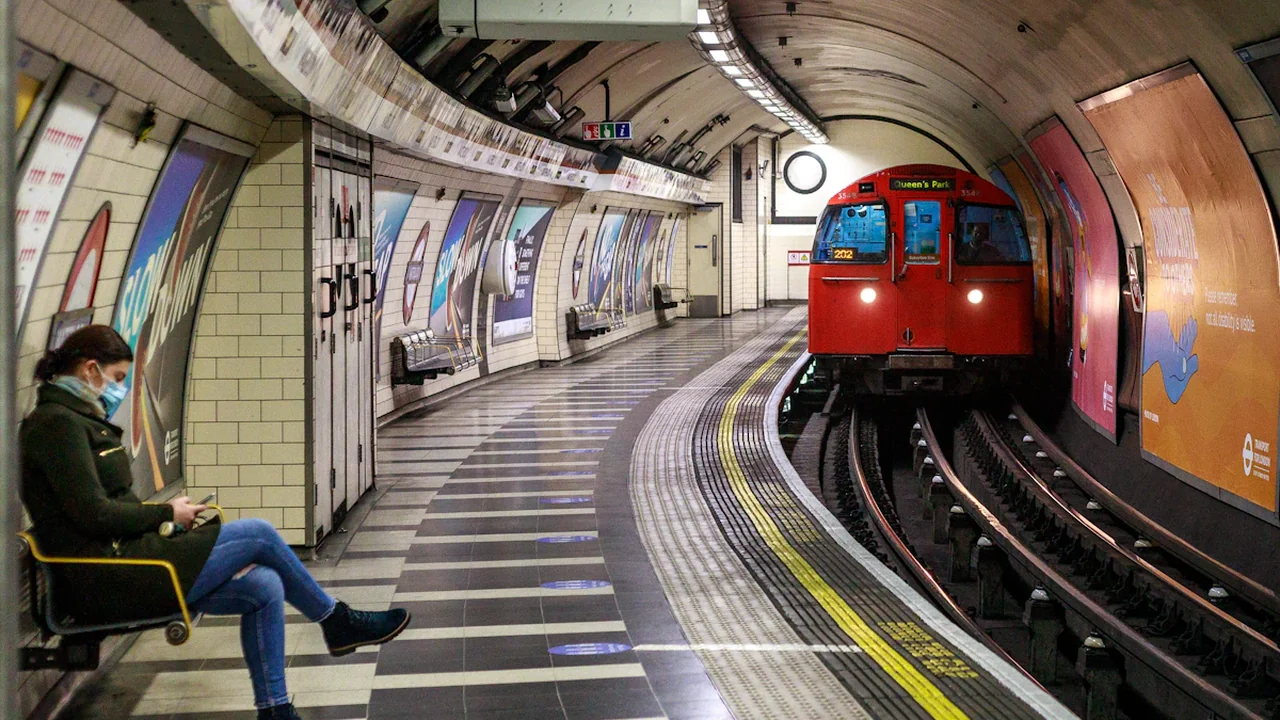
Maintenance work at critical rail junctions in South East England has overrun, disrupting morning services into London Waterloo and London Victoria. Signal failures have also been reported, and passengers travelling through either terminus should check their exact train before leaving because no verified network-wide recovery time was available at publication.
National Rail Enquiries recorded ongoing maintenance-related delays in the South East on 15 August 2026. The information supplied did not identify every affected service or provide an incident-specific recovery estimate, so passengers should rely on the live journey planner, station departure boards and their train operator for the latest route-level instructions.
- Check the full journey, including connections, before travelling.
- Allow extra time and avoid relying on the next scheduled train alone.
- Confirm ticket acceptance before using another operator or London transport service.
- Keep tickets, booking confirmations and records of actual arrival times.
Services into Waterloo and Victoria may change at short notice
London Waterloo is principally served by South Western Railway, while London Victoria is used by Southern, Gatwick Express and Southeastern services. Passengers should not assume that every train run by those operators is disrupted: the effect will depend on the route, junction and signalling equipment involved.
A train shown as running may still be delayed, diverted, started from a different station or cancelled later as rolling stock and crews move out of position. Travellers making connections should check each leg separately, particularly if their itinerary crosses London or includes an airport service.
The most useful official check is the live journey result for the specific origin, destination and intended departure time. National Rail’s journey planning and disruption information can show cancellations, revised calling patterns and operator notices. Passengers already at a station should also listen for platform changes and speak to staff before boarding an unfamiliar alternative.
Alternative routes require ticket-acceptance confirmation
Alternative routes depend on where the journey begins and which section of railway is affected. A route that works for one commuter may be unavailable to another, while an apparently convenient Underground, bus or competing train service may require a separate fare unless ticket acceptance has been announced.
Passengers should use this order of checks:
- Search National Rail for a later direct service from the same station.
- Open the affected train’s details to look for diversion or replacement-service information.
- Check the operating company’s website or app for ticket-acceptance arrangements.
- Ask station staff whether the existing ticket is valid on another operator, London Underground, London Overground, the Elizabeth line or a bus route.
- If no authorised alternative is offered, compare the cost and likely arrival time before buying another ticket.
For Waterloo journeys, some passengers may be directed towards another South Western Railway service or a different interchange. For Victoria journeys, an operator may recommend a revised Southern, Gatwick Express or Southeastern itinerary. These are possibilities rather than blanket alternatives; passengers should follow the route displayed for their journey.
Anyone travelling to an airport, medical appointment, examination or other time-critical commitment should build in additional time. Rail operators generally do not guarantee reimbursement for consequential losses, so passengers should contact the airline, venue or service provider as soon as a missed connection becomes likely.
Delay Repay claims are made through the train operator
Passengers who reach their destination late may qualify for compensation under the relevant operator’s Delay Repay scheme. Eligibility and payment levels vary by operator and delay length, although many schemes begin compensating passengers after delays of 15 or 30 minutes.
The claim normally goes to the operator responsible for the delayed journey, not to National Rail or the UK Department for Transport. For a multi-operator trip, passengers should begin with the company whose disruption caused the delay. If responsibility is unclear, the operator receiving the claim can provide guidance or redirect it.
Keep the following evidence:
- The original ticket, smartcard record or digital booking confirmation
- The planned itinerary and scheduled arrival time
- The trains actually used and the final arrival time
- Screenshots of cancellations, delay notices or authorised alternative routes
- Receipts for additional fares when staff advised that they could be reclaimed
Season-ticket holders can also claim where their operator’s scheme permits it. Claims usually have a deadline, so passengers should consult the operator’s current Delay Repay page rather than postponing the application. Compensation is not automatic in every case, and reimbursement of a newly purchased ticket is separate from compensation for arriving late.
If a service is cancelled and the passenger decides not to travel, they may instead be entitled to a refund for the unused ticket from the retailer that sold it. That is a different process from Delay Repay. Passengers should avoid submitting duplicate claims for the same loss.
Real-time information remains the decisive travel check
No verified time for full recovery was included in the available National Rail confirmation. Maintenance overruns and signalling failures can create residual delays even after infrastructure is returned to service because trains, drivers and onboard crews may be displaced.
Passengers should therefore recheck their journey shortly before departure and again on reaching the station. The decisive change will be an operator or National Rail notice confirming that the affected routes are running normally and providing a recovery time for any remaining disruption.
Published by GlobeBids Transport Desk on 15 August 2026. Service information can change quickly; National Rail and the relevant train operator remain the authoritative sources for individual journeys.
Source: National Rail Enquiries
Context & actions About this article
Source check Service information
National Rail reported ongoing maintenance-related delays in South East England, while route details and recovery times remained subject to live operational updates.
- Confirmed an ongoing maintenance overrun affecting South East routes
- Distinguished Delay Repay compensation from unused-ticket refunds
- Avoided presenting unconfirmed alternative routes as authorised ticket acceptance
- Directed passengers to live journey and operator information
- Source
- National Rail Enquiries
- Scope
- United Kingdom
- Updated
- 2026-08-15 13:37
Source check
Report a trust issue
Send a clear signal to community moderation if the source, facts or context need review.
Comments