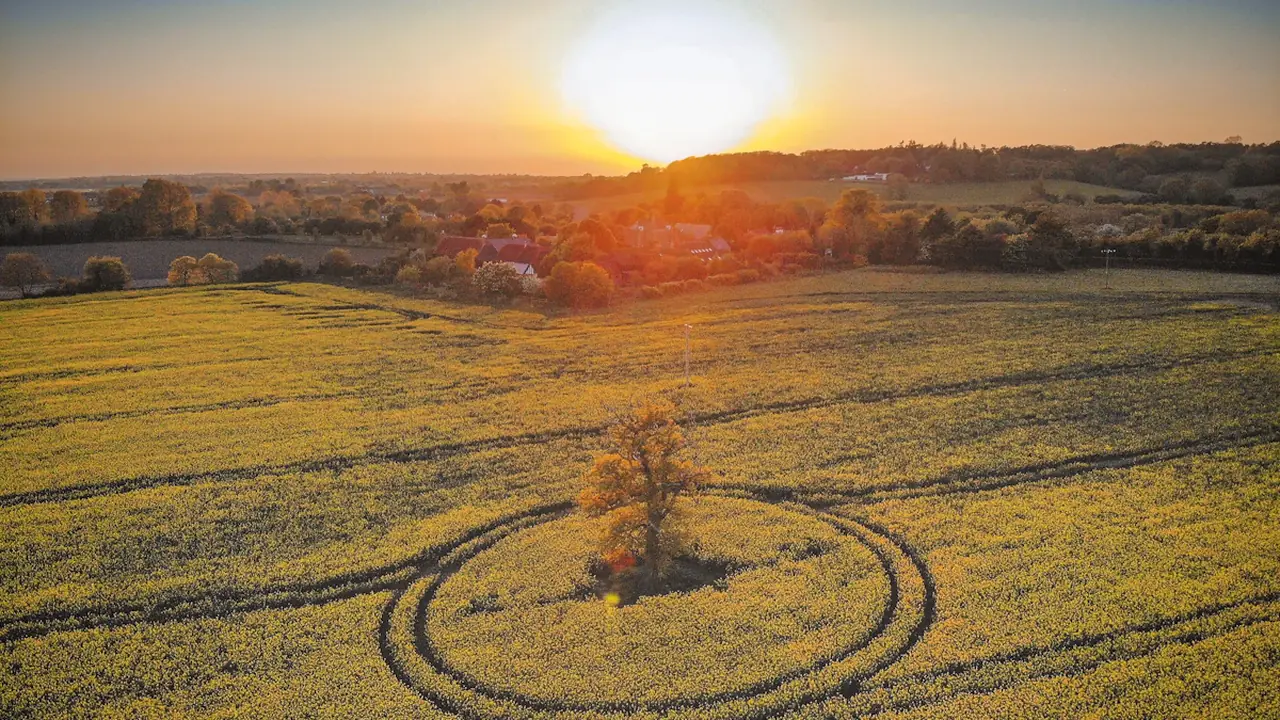
On September 23, 2026, at precisely 07:50 BST, the Sun will cross the celestial equator, marking the official start of astronomical autumn in the Northern Hemisphere. This moment, confirmed by the Royal Museums Greenwich, serves as a definitive astronomical marker that influences the natural rhythms of the British landscape, signalling a transition in both daylight duration and the environmental conditions that define the season.
The Astronomy of the Equinox
The autumn equinox is a precise astronomical event rather than a fixed calendar date. It occurs as the Earth orbits the Sun while tilted on its axis at an angle of approximately 23.5 degrees. Throughout the year, this tilt causes the Northern and Southern Hemispheres to receive varying intensities of sunlight. At the moment of the equinox, the Sun is positioned directly above the Earth’s equator, creating a unique alignment where the terminator—the line dividing day and night—passes through the North and South Poles.
This alignment results in day and night being of approximately equal length across the globe. Following this specific point in time, the Northern Hemisphere begins to tilt further away from the Sun. For observers in Britain, this shift is the catalyst for the gradual, yet accelerating, reduction of daylight hours that characterises the autumn months, leading eventually toward the winter solstice.
Meteorological vs. Astronomical Autumn
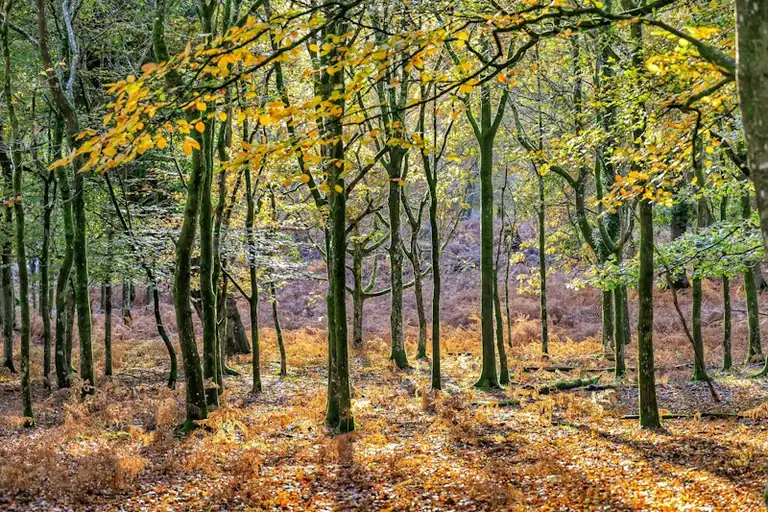
It is common to distinguish between the astronomical equinox and the meteorological calendar. The Met Office defines meteorological autumn as beginning on September 1 and ending on November 30. This system is designed for statistical consistency, aligning seasons with the annual temperature cycle to facilitate easier record-keeping and climate analysis.
In contrast, the astronomical equinox is determined by the physical orientation of the Earth in space. While the meteorological season provides a stable framework for weather reporting and long-term climate monitoring, the equinox represents the actual celestial transition of our planet’s axial tilt. Understanding this distinction helps clarify why the weather patterns we associate with autumn often begin before the astronomical event takes place.
Historical Farming and Seasonal Rhythms
The equinox has long served as a critical anchor for the British agricultural calendar. Historically, this period was synonymous with the completion of the harvest. The ‘Harvest Moon’—the full moon occurring closest to the equinox—was of particular importance to rural communities. By providing extra illumination in the evenings, this moon allowed farmers to gather crops well after sunset, a necessity in an era before mechanical lighting. This tradition highlights how the celestial mechanics of the equinox were once deeply integrated into the survival and economic cycles of British life.
What Changes: Daylight and Environmental Impact
Following the equinox, the rate of change in daylight duration accelerates significantly. For those in the UK, the loss of light becomes increasingly noticeable in the weeks leading up to the transition from British Summer Time (BST) to Greenwich Mean Time (GMT) in late October. This shift has measurable implications for the natural world and domestic life:
- Wildlife Patterns: Many species rely on the changing photoperiod—the duration of daily light—as a cue for migration, hibernation, or the preparation of winter stores.
- Energy Consumption: As daylight hours diminish and temperatures drop, households typically see an increase in domestic energy usage for lighting and heating.
- Biological Rhythms: The rapid reduction in sunlight is a primary driver for the physiological changes seen in local flora, such as the senescence of leaves and the onset of dormancy in deciduous trees.
Understanding the equinox provides context for why the transition from the long days of summer to the shorter days of winter feels so abrupt. It serves as a reminder of the Earth’s constant motion and the profound impact that axial tilt exerts on our daily routines, agricultural cycles, and the broader seasonal traditions that have shaped the British landscape for centuries.
Source: Royal Museums Greenwich
Context & actions About this article
Source check Verified Astronomical Data
This article uses data from the Royal Museums Greenwich and the Met Office to distinguish between astronomical and meteorological seasonal definitions.
- Verified 2026 equinox time with Royal Museums Greenwich
- Confirmed Met Office seasonal definitions
- Source
- Royal Museums Greenwich
- Scope
- United Kingdom
- Updated
- 2026-09-22 09:00
Source check
Report a trust issue
Send a clear signal to community moderation if the source, facts or context need review.



Comments