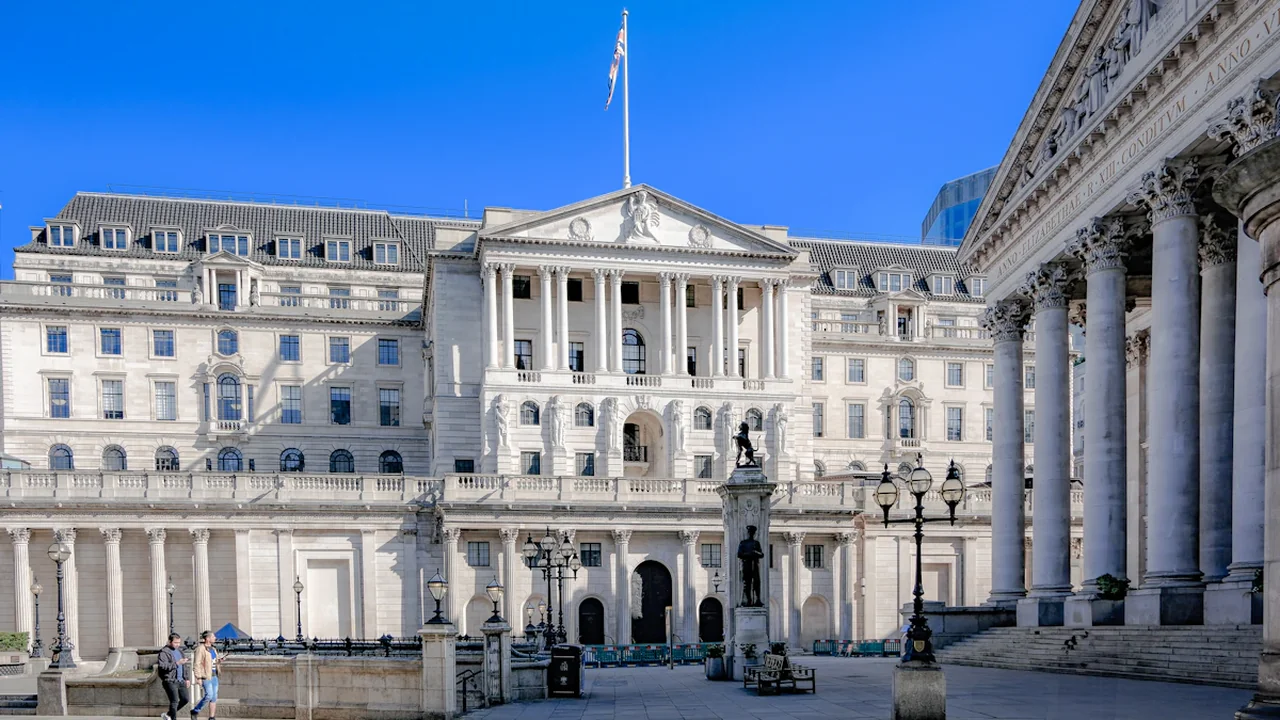
As the Bank of England prepares for its late September 2026 Monetary Policy Committee (MPC) meeting, households and businesses across the UK are closely monitoring potential shifts in borrowing costs. With the committee meeting regularly to assess the official bank rate against the backdrop of evolving economic conditions, the decision remains a critical signal for mortgage holders and savers. This analysis examines the current economic environment, the factors influencing the MPC, and the practical implications for personal finance.
Forecast Question and Resolution
- Question: Will the Bank of England cut the official bank rate in September 2026?
- Deadline: The official MPC announcement in late September 2026.
- Resolution: The forecast resolves to YES if the official bank rate is lowered from its current level; it resolves to NO if the rate remains unchanged or is increased.
- Official Source: The Bank of England official website serves as the definitive record for the outcome of the MPC vote.
Economic Drivers and Inflationary Pressures
Recent reports indicate that while headline inflation has shown signs of stabilization, service-sector price growth remains a persistent concern for policymakers. The MPC is tasked with a delicate balancing act: they must determine whether the current economic climate warrants a stimulus through lower rates or if a restrictive policy is still necessary to curb lingering inflationary pressures.
Financial markets are currently weighing these competing signals. When inflation is high, the Bank of England typically maintains higher interest rates to reduce demand. Conversely, as inflation cools, the committee gains more flexibility to lower rates to support economic growth. However, service-sector inflation—which includes wages and professional services—tends to be stickier than the price of goods, complicating the decision-making process for the committee members.
Impact on Personal Finances and Mortgages
For UK households, the MPC decision has direct, tangible consequences. The official bank rate acts as a benchmark for many commercial lending products, meaning shifts in the rate often ripple through the economy quickly.
Mortgage Holders
Homeowners on tracker mortgages are the most immediately affected, as their monthly payments typically adjust shortly after a change in the bank rate. Those nearing the end of a fixed-rate deal are also watching closely; if the bank rate is cut, lenders may begin to offer more competitive fixed-rate products, potentially lowering the cost of remortgaging. Conversely, if rates remain elevated, homeowners may face higher monthly repayments when transitioning to new deals.
Savers and Cash ISAs
For savers, the relationship is inverse. Higher bank rates generally lead to more attractive interest rates on cash ISAs, high-yield savings accounts, and notice accounts. A decision to cut the bank rate often leads to a gradual decline in these savings yields. While this is beneficial for borrowers, it reduces the passive income generated by cash holdings, forcing savers to re-evaluate their financial strategies.

The Data-Dependent Decision Process
It is essential to understand that the Monetary Policy Committee operates on a strictly data-dependent basis. This means that every significant economic release between the current date and the September meeting—including employment figures, wage growth data, and consumer spending reports—plays a role in the final vote.
Market consensus provides a snapshot of current expectations, but it is not a guarantee of the outcome. Analysts often adjust their forecasts based on the latest data, which can lead to volatility in gilt yields and market sentiment. Because the MPC members vote individually based on their assessment of the evidence, the final decision remains uncertain until the official announcement is released. When considering the previous interest rate decisions, readers should monitor the official Bank of England portal following the meeting to confirm the final decision and the committee’s accompanying minutes, which provide the rationale behind their vote.
Practical Considerations for Households
Given the uncertainty surrounding the September meeting, households should focus on their own financial resilience. For those with variable-rate debt, it is prudent to stress-test personal budgets against potential rate fluctuations. For savers, reviewing the terms of current accounts can help determine if funds are locked into products that may become less competitive if the rate environment shifts.
Ultimately, the September decision will be a reflection of the Bank of England’s assessment of the UK’s medium-term economic trajectory. Readers are advised to rely on the official communication from the Bank of England, as this remains the only definitive source for the final interest rate determination.
Source: Bank of England
Context & actions About this article
Source check Resolution Status
This forecast resolves based on the official Bank of England interest rate announcement in September 2026.
- Check the official Bank of England website for the September 2026 meeting minutes.
- Review the latest MPC decision announcement.
- Source
- Bank of England
- Scope
- United Kingdom
- Updated
- 2026-08-21 09:48
Source check
Report a trust issue
Send a clear signal to community moderation if the source, facts or context need review.


Comments