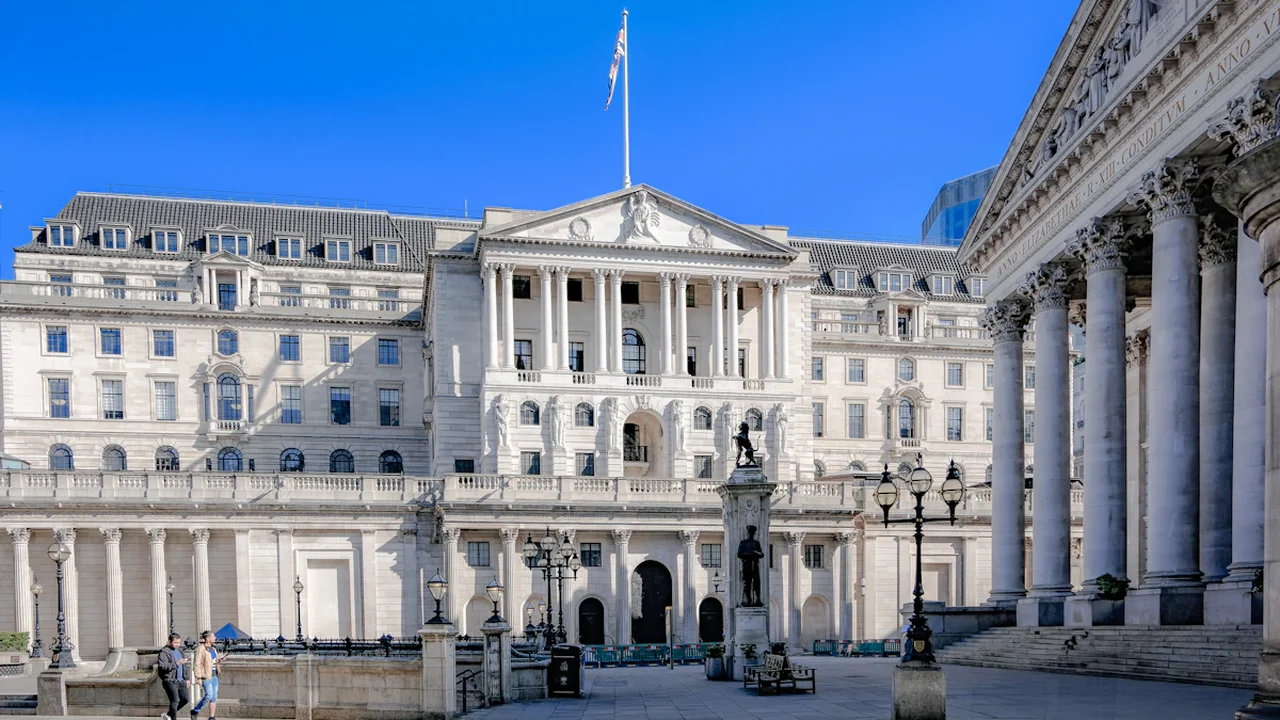
The Bank of England’s Monetary Policy Committee (MPC) is scheduled to announce its next decision regarding the official Bank Rate on 17 September 2026. This announcement serves as a critical indicator for the UK economy, directly influencing the cost of borrowing and the returns on personal savings. For households across the country, the decision acts as a primary lever that shifts the financial landscape for mortgage holders, savers, and those managing personal debt.
Forecast Summary
- Question: Will the Bank of England cut the official Bank Rate on 17 September 2026?
- Deadline: 17 September 2026.
- Resolution: YES if the rate is lower than the previous level; NO if it remains unchanged or rises.
- Source of Truth: Official Bank of England Bank Rate database.
Economic Factors Influencing the Decision
The MPC’s mandate is to maintain price stability, primarily by keeping inflation near the 2% target. To achieve this, the committee evaluates a complex array of domestic and international economic data. Key indicators under scrutiny for the September meeting include the latest Consumer Price Index (CPI) reports, which track the pace of inflation, and Office for National Statistics (ONS) data on wage growth and employment levels.
When inflation pressures ease, the MPC has greater latitude to lower the Bank Rate, effectively reducing the cost of borrowing to encourage investment and consumer spending. Conversely, if the data reveals that wage growth is fueling persistent price increases or if the economy shows signs of overheating, the committee may opt to maintain higher rates. This “wait and see” approach is designed to prevent inflation from becoming entrenched, even if it means keeping borrowing costs elevated for a longer duration.
Impact on Mortgages and Borrowing
The relationship between the Bank Rate and mortgage products is nuanced. For those on tracker mortgages, the impact is often immediate; because these products are pegged to the Bank Rate, a reduction typically leads to a swift decrease in monthly repayments. However, the situation is different for the majority of UK homeowners who are on fixed-rate mortgage deals.
For fixed-rate borrowers, the MPC decision does not change their current monthly payments. Instead, the impact is felt when their existing deal expires and they look to remortgage. Lenders price new fixed-rate products based on their expectations of future interest rates, meaning that a sustained period of lower Bank Rate forecasts can lead to more competitive mortgage offers. It is vital for consumers to understand that lenders are under no legal obligation to pass on rate cuts immediately or in full. Banks must balance their own funding costs, risk appetite, and competitive positioning when adjusting their interest rates for consumers.

Savings Returns and the Pound Sterling
While borrowers may welcome a rate cut, the effect on savers is often the inverse. High-street banks and building societies typically adjust the interest rates on instant-access and fixed-term savings accounts in alignment with the Bank Rate. A reduction in the official rate often results in lower yields for savers, potentially reducing the passive income generated by cash deposits.
Furthermore, the decision carries implications for the value of the pound sterling on international currency markets. Interest rates serve as a magnet for global capital; when UK rates are high, sterling-denominated assets become more attractive to international investors, which can bolster the currency. A rate cut, by contrast, can lead to a weaker pound. This has a secondary effect on the cost of imported goods, which can influence domestic inflation—a factor the MPC must carefully weigh when deciding whether to adjust the rate.
Useful Details: Navigating the Decision
Understanding the mechanics of the September decision requires separating market speculation from official policy. The MPC does not operate on a fixed trajectory; each meeting is an independent assessment based on the most recent economic evidence.
| Feature | Impact of a Rate Cut | Impact of a Rate Hold |
|---|---|---|
| Tracker Mortgages | Monthly payments likely decrease | Payments remain unchanged |
| New Fixed-Rate Deals | Potential for more competitive pricing | Pricing remains tied to market expectations |
| Savings Accounts | Interest rates likely to fall | Interest rates likely to hold steady |
| Borrowing Costs | Generally cheaper for consumers | Costs remain at current levels |
Resolution Rules
The market will resolve based on the official announcement published by the Bank of England on 17 September 2026. If the committee decides to hold the rate or increase it, the result is NO. If the committee announces a reduction in the headline Bank Rate, the result is YES. Should the meeting be delayed for any reason, the result will be determined by the first official announcement that replaces this scheduled date. Readers should monitor the Bank of England’s official communications portal for the exact timing of the release, which typically occurs at midday.
Source: Bank of England
Context & actions About this article
Source check Bank of England Data
This forecast resolves based on the official Bank Rate announcement scheduled for 17 September 2026.
- Confirm the official Bank Rate via the Bank of England database
- Monitor the MPC announcement at 12:00 PM GMT on the decision date
- Source
- Bank of England
- Scope
- United Kingdom
- Updated
- 2026-08-23 12:52
Source check
Report a trust issue
Send a clear signal to community moderation if the source, facts or context need review.



Comments