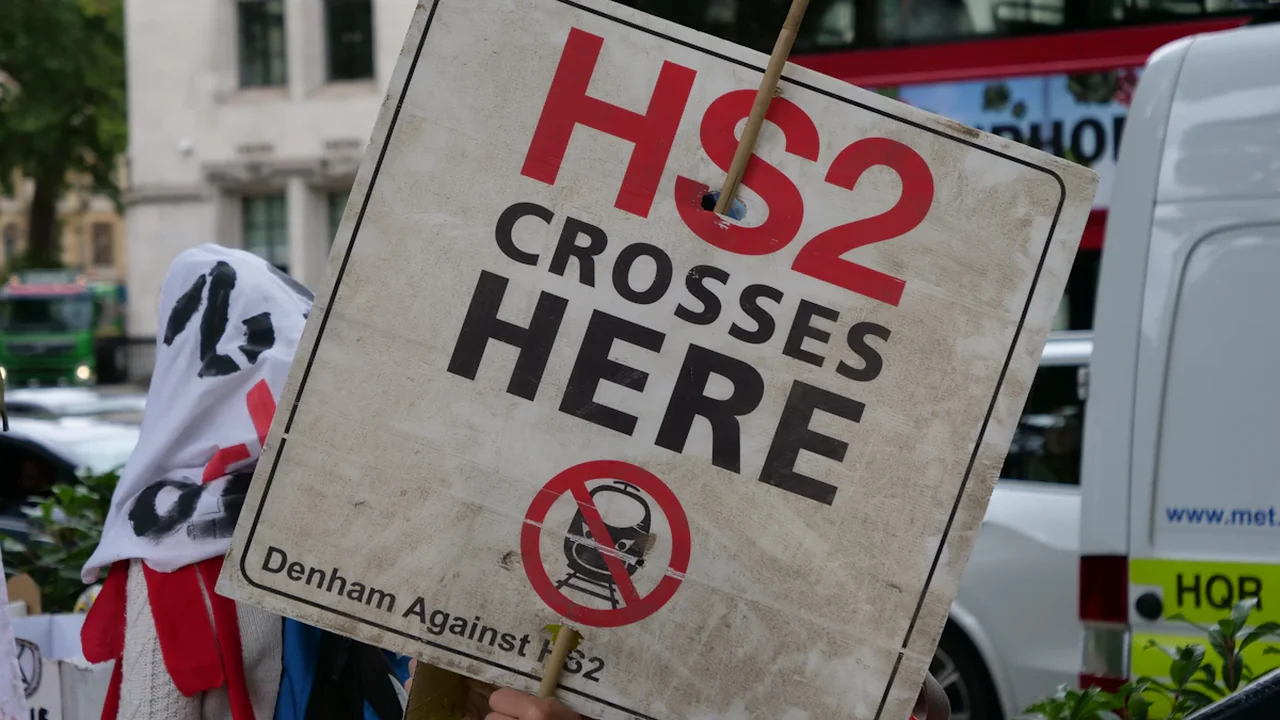
The Future of HS2 Phase 2: Assessing the Timeline for a Formal Review
Main details for residents
High-speed rail connectivity remains a defining issue for UK infrastructure as the Department for Transport continues to navigate the complex aftermath of previous project cancellations. With regional leaders maintaining consistent pressure for a clearer long-term strategy, the question of whether a formal review date for the potential restoration of HS2 Phase 2 will be announced by December 31, 2026, has become a central point of political and economic interest. This timeline is critical for stakeholders across the Midlands and the North, who require certainty to align their own regional development and transport integration plans.
Forecast Essentials
- Question: Will the UK government announce a new date for the HS2 phase 2 restoration review before year-end 2026?
- Deadline: December 31, 2026.
- YES: An official announcement from the Department for Transport confirming a specific date or timeline for a formal review of Phase 2.
- NO: No such announcement is made, or the government explicitly declares the project permanently closed without a review.
- Resolution Source: Official Department for Transport press releases or ministerial statements.
The Current Infrastructure Landscape
The Department for Transport is currently tasked with the delivery of HS2 Phase 1 while simultaneously evaluating broader regional transport connectivity. However, the exact scope of this review regarding the northern legs of the project—previously cancelled to control costs—remains ambiguous. Regional stakeholders argue that without a clear timeline for a potential restoration, long-term economic planning in the Midlands and the North remains hampered by uncertainty. The absence of a definitive roadmap complicates the ability of local authorities to secure private investment or finalize regional transport hubs that were originally designed to interface with the full high-speed network.
The Case for Restoration and Economic Impact
Proponents of the project argue that the cancellation of Phase 2 significantly undermines the original economic vision of the high-speed network. They suggest that a formal review is a necessary step to reconcile the government’s stated goals for regional growth with the reality of current transport infrastructure gaps. If the government seeks to bolster its commitment to regional connectivity, an announcement regarding a review could serve as a major policy milestone. The economic argument centers on the potential for increased capacity, reduced travel times, and the stimulation of local economies that were promised benefits of the original project scope. For many regional planners, the restoration of these links is viewed as a prerequisite for balancing the national economy and addressing long-standing regional disparities.
Challenges and Potential Delays
What changes in practice
Conversely, the government faces strict fiscal constraints and the logistical challenge of restarting a project that has already undergone significant de-scoping. Critics of further investment point to the substantial budget overruns experienced during the initial phase of HS2, which have made the treasury cautious about committing to large-scale capital projects. For the current administration, committing to a new review date carries the political risk of either inflating expectations for a project that may be deemed unaffordable or facing backlash if the review concludes that restoration remains unviable. The decision-making process is further complicated by the need to balance national debt management with the political necessity of delivering on regional development promises.
Determining the Outcome
What happens next
The resolution of this forecast relies entirely on public documentation issued by the UK government. Any statement made by the Secretary of State for Transport or an official departmental publication that establishes a timeline for a Phase 2 review will trigger a positive resolution. This ensures that the outcome is based on verifiable, high-level policy commitments rather than speculation or secondary reporting. If the calendar turns to 2027 without a formal commitment to a review date, the market will resolve as no.
Regional Development Implications
| Factor | Impact of Delay | Impact of Review Announcement |
|---|---|---|
| Regional Planning | Continued uncertainty for local transport authorities. | Ability to finalize long-term infrastructure integration. |
| Private Investment | Risk-averse capital allocation in northern hubs. | Potential for increased investor confidence in regional projects. |
| Political Strategy | Pressure from regional leaders for clarity. | Opportunity to define a new vision for national connectivity. |
| Fiscal Management | Avoidance of immediate capital expenditure. | Requirement for long-term budget reconciliation. |
As the December 31, 2026, deadline approaches, observers should monitor official Department for Transport communications for any shift in policy. The resolution of this question will serve as a key indicator of the government’s long-term approach to infrastructure investment and its willingness to revisit previously cancelled components of the national rail network. The finality of this date provides a clear boundary for when the current period of uncertainty must conclude, either through a formal commitment to a review or the continued silence that suggests the project remains off the table.
Source: Department for Transport
Context & actions About this article
Source check Market Resolution
This article tracks official government announcements to resolve the status of the HS2 Phase 2 review timeline.
- Monitor Department for Transport press releases
- Observe ministerial statements regarding HS2
- Check for parliamentary updates before Dec 31, 2026
- Source
- Department for Transport
- Scope
- United Kingdom
- Updated
- 2026-08-21 11:57
Source check
Report a trust issue
Send a clear signal to community moderation if the source, facts or context need review.



Comments