By GlobeBids History Desk
On 27 September 1825, the Stockton and Darlington Railway opened in North East England. Its importance lies in bringing steam locomotives into a public railway built chiefly to move goods, while also carrying passengers. It did not make travel easy for everyone overnight. As the line reaches its 201st anniversary in 2026, its story helps explain how the railways that followed changed journeys, work and access to goods across Britain.
A railway built around coal and local trade
The railway served a practical need: moving coal from the Durham coalfield towards markets reached through the area around Darlington and Stockton-on-Tees. For merchants and producers, transport was part of the cost of a product. A dependable route could make it easier to move larger quantities and plan deliveries.
That commercial purpose matters when looking back at the opening. The railway was not conceived simply as a faster way for people to visit another town. Freight was central to its business, and its tracks connected places already tied together by trade. What changed was the means of moving loads between them.
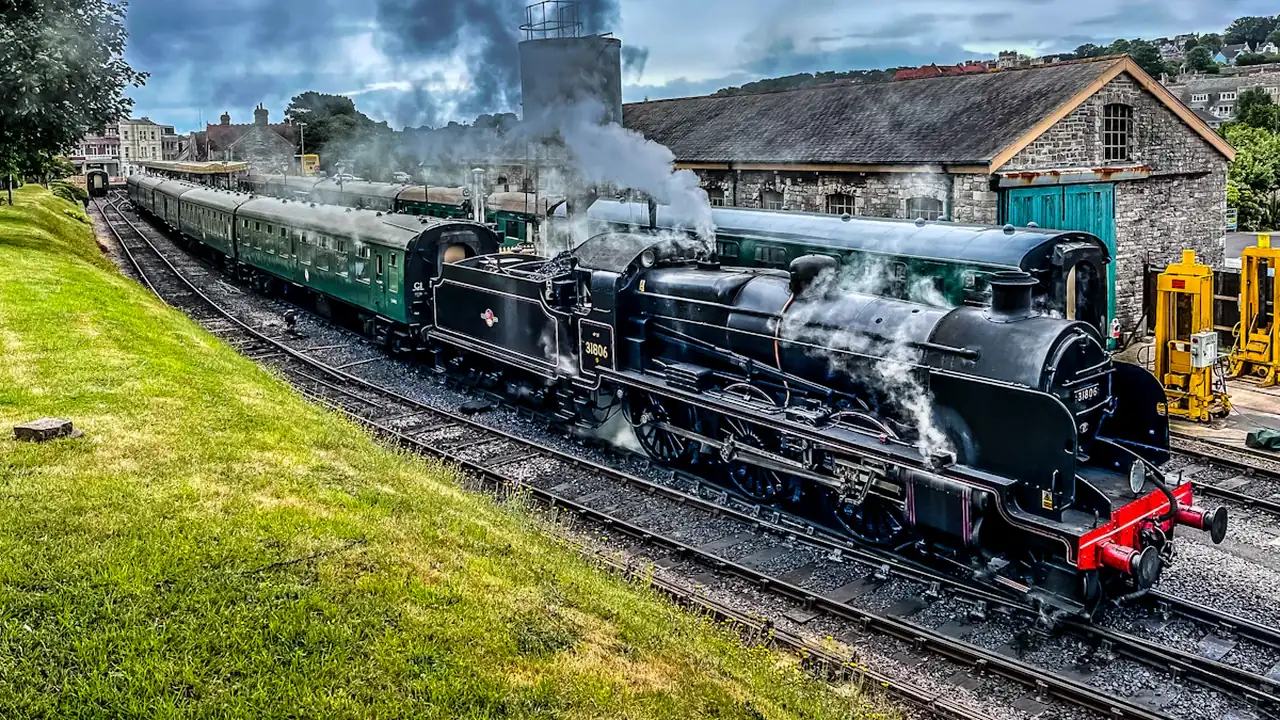
The opening train, hauled by George Stephenson’s locomotive Locomotion No. 1, became a memorable image of the early railway age. Yet the line’s working life was more varied than that image suggests. Steam locomotives did not haul every movement, and horses continued to play a part. The railway combined new machinery with older ways of operating while people learned what a public line could do.
Why the opening was a turning point, but not the first railway
Calling the Stockton and Darlington Railway “the first railway” leaves out a long history. Rails and wagonways existed before 1825, and horses had pulled vehicles along tracks for generations. Earlier rail systems also served mines and other industries. The Stockton and Darlington line did not invent rails, railway freight or travel on tracks.
Its distinction is more specific. It became a landmark public railway that used steam locomotives to haul traffic and demonstrated their value beyond an isolated industrial site. The opening gave engineers, investors and the public a visible example of what a railway connecting communities and markets might achieve.
It is equally important not to treat the opening day as the arrival of the familiar passenger railway. Passengers were carried, but the early service did not resemble the regular, extensive network that later generations would know. The transformation of ordinary travel depended on further lines, stations, operating practices and investment over many years.
That distinction makes the 1825 opening more interesting, rather than less. It shows a transport system taking shape. The railway’s early mix of freight, passengers, steam power and horse haulage reveals how change usually happens: a working idea is tested, adapted and then expanded elsewhere.
How railways reshaped ordinary journeys
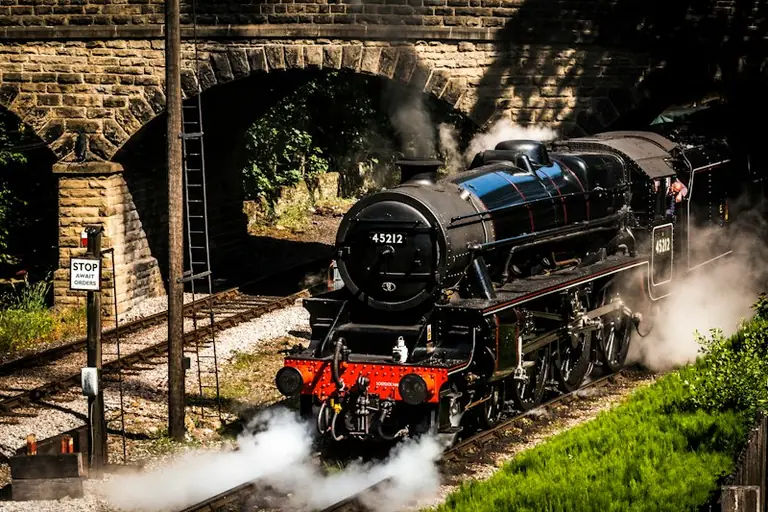
Before a wide railway network existed, the distance between two places could be measured as much in effort and uncertainty as in miles. Road journeys depended on horses, road conditions and the cost of a seat or carriage. A railway offered a different possibility: vehicles running on a fixed route, with the capacity to carry many people or heavy loads in one movement.
The Stockton and Darlington Railway alone did not give Britain that network. As railways spread in the following decades, however, more journeys became practical within a day. Visiting relatives, reaching a market town or travelling for work could take less time than comparable road journeys. Regular services also made it easier to plan when to leave and when to arrive.
Those gains were uneven. A person needed access to a station and enough money for a fare. Routes favoured some towns over others, and early rail travel could be uncomfortable. Still, the growing network changed what people could reasonably expect from a journey. Distance became less of a barrier for many travellers, even though it never disappeared as a cost or inconvenience.
What the rails meant for work and goods
Rail’s effect on everyday life extended beyond passengers. Moving coal more efficiently mattered to industries and households that used it. As the network expanded, railways carried other raw materials, manufactured goods and food between producers, ports, shops and customers. A wider choice of goods could reach places that had once depended more heavily on what could be made or brought in nearby.
Reliable transport also changed decisions about work. Employers could draw on supplies and sell products over greater distances. Workers could travel to jobs beyond their immediate neighbourhood, where routes and fares allowed. At the same time, railway building and operation created work of its own, from construction and maintenance to driving trains and handling freight.
These were changes across the railway age, not outcomes produced by a single line in a single year. The Stockton and Darlington Railway matters because it sits near the beginning of that larger process and shows the connection between a local transport problem and a national shift in how people and goods moved.
The anniversary programme S&DR200 marked 200 years since the railway opened in 1825. A year later, the most useful way to understand the line is to look beyond any claim to have been first at everything. Its lasting significance is the example it offered: a railway serving trade, carrying people and helping show what steam powered transport could become. The next time a train makes a routine journey or brings goods within reach, that ordinary usefulness is the legacy worth considering.
Source: S&DR200
Context & actions About this article
Source check Historical context
S&DR200 commemorates the railway’s 1825 opening; the article distinguishes that event from the later growth of Britain’s railway network.
- The Stockton and Darlington Railway opened on 27 September 1825.
- Earlier rails and wagonways existed, so the line was not the first railway of every kind.
- The wider changes to travel and trade developed as railway routes expanded.
- Source
- S&DR200
- Scope
- North East England
- Updated
- 2026-09-27 08:34
Source check
Report a trust issue
Send a clear signal to community moderation if the source, facts or context need review.


Comments