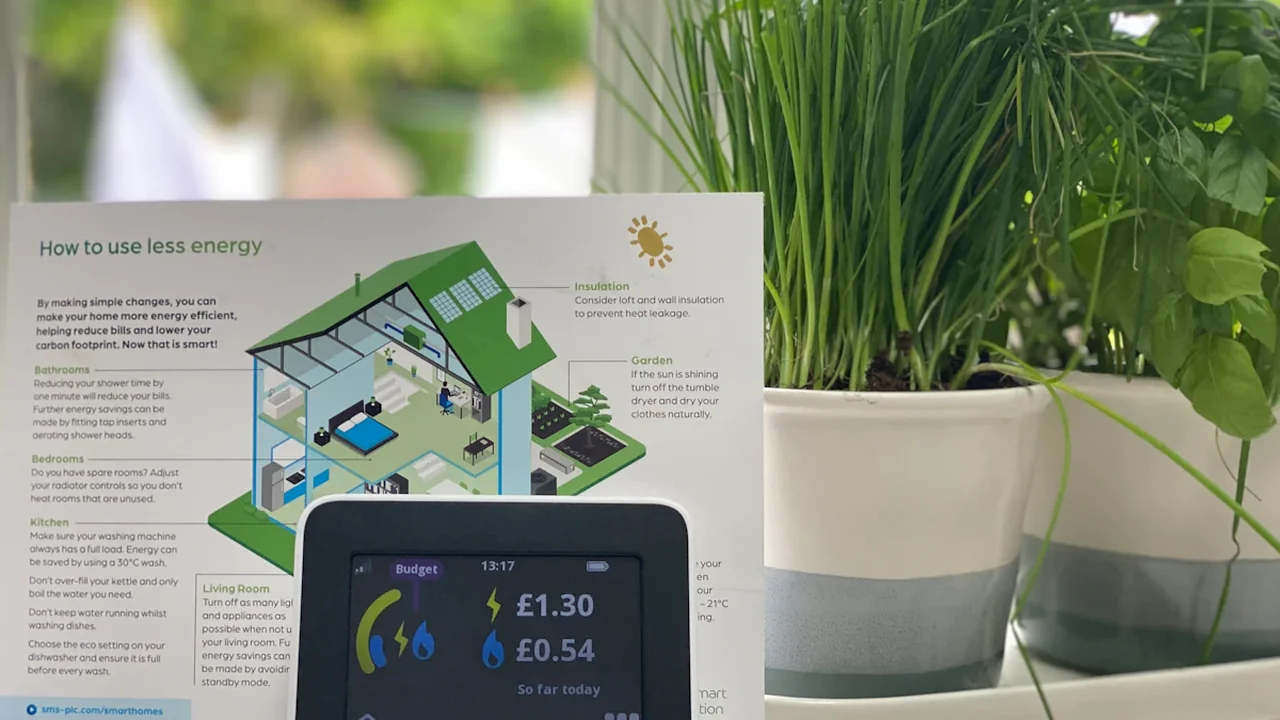
Autumn heating can raise energy use even when the Ofgem price cap falls. The cap limits the unit rates and standing charges suppliers can charge on most default tariffs; it does not set a maximum total household bill. Check your latest bill now so you can understand how a future cap change may affect your own costs.
How the energy price cap affects your bill
Ofgem’s energy price cap applies to customers on default tariffs, including standard variable tariffs. It sets limits on the rates suppliers can charge for electricity and gas, as well as standing charges, but your final bill still depends on how much energy you use.
A lower cap can reduce the price paid per unit. However, households often use more gas and electricity as temperatures fall, so a winter bill may still be higher than a summer bill.
The cap can also vary by region, payment method and meter type. Do not assume a headline cap figure matches your household’s expected annual cost.
Four details to compare on your latest bill
Use a recent bill, statement or supplier app and check:
- Tariff name: Look for whether you are on a default or standard variable tariff, or a fixed tariff.
- Payment method: Direct Debit, standard credit and prepayment customers can have different capped rates.
- Meter type: Check whether you have a credit meter, prepayment meter or smart meter arrangement.
- Annual consumption: Compare your estimated or actual yearly gas and electricity use with previous bills. Higher use means a higher total bill even if rates decline.
Also note the unit rate in pence per kilowatt-hour and the daily standing charge. These are the figures most directly affected by the cap for eligible default-tariff customers.
Prepare for higher heating use
If you are budgeting for colder months, base your estimate on expected energy use rather than the cap headline alone. Check whether your Direct Debit payment is based on an estimate, whether your account is in credit or debit, and whether recent meter readings are accurate.

Ofgem publishes confirmed cap information on its consumer price-cap pages. Wait for that confirmation before relying on a new rate or changing a household budget.
Help if energy payments are becoming difficult
Contact your supplier as early as possible if you think you may miss a payment. Suppliers may be able to discuss an affordable payment plan or other support based on your circumstances.
Citizens Advice also provides guidance for people struggling with energy bills, including steps to take before arrears grow. Keep copies of bills, meter readings and any messages from your supplier when asking for help.
Your next useful check is the tariff and usage section of your latest bill, followed by Ofgem’s confirmed price-cap update when it is published.
Source: Ofgem
Context & actions About this article
Source check Sources and support
Ofgem explains how the cap applies to default-tariff rates, while Citizens Advice outlines help for people struggling with bills.
- Confirm your tariff name and payment method on your latest bill.
- Compare unit rates and daily standing charges.
- Use actual meter readings where possible.
- Contact your supplier promptly if payment is becoming difficult.
- Source
- Ofgem
- Scope
- United Kingdom
- Updated
- 2026-09-13 13:35
Source check
Report a trust issue
Send a clear signal to community moderation if the source, facts or context need review.



Comments