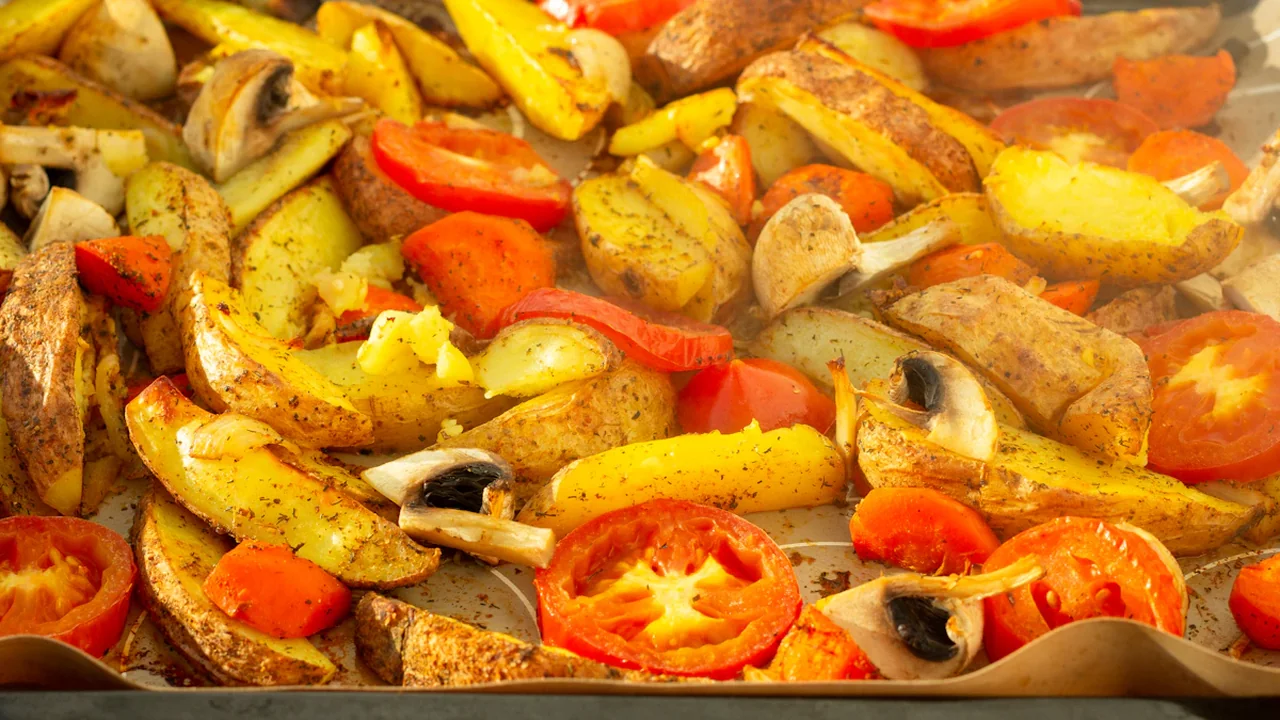
Ripe tomatoes, creamy butter beans and red onion roast together in one wide tray for a satisfying meat-free Monday dinner. Preparation takes about 15 minutes, the oven does most of the work, and careful draining plus a spacious tray keeps the finished dish rich and saucy rather than watery.
By the GlobeBids Food Desk · Published August 25, 2026
Tomato and butter bean traybake recipe card
- Servings: 4
- Preparation time: 15 minutes
- Cooking time: 35 minutes
- Total time: 50 minutes
- Oven: 220°C, 200°C fan or 425°F
- Equipment: One large, shallow roasting tray
This flexible recipe uses late-summer tomatoes at their sweetest, supported by inexpensive tinned beans. Serve it alone for a light dinner or add bread, couscous or a green salad when you want something more substantial.
A large tray is important. Crowding the tomatoes into a small, deep dish traps steam and encourages them to release a pool of liquid. A shallow tray gives the ingredients enough room to roast and caramelise around the edges.
Ingredients for four servings
- 800g ripe tomatoes, preferably plum or medium vine tomatoes
- 2 x 400g tins butter beans
- 1 large red onion
- 4 garlic cloves
- 3 tablespoons olive oil
- 1 teaspoon dried oregano
- 1 teaspoon dried thyme, or 4 fresh thyme sprigs
- 1 teaspoon fine salt, plus more if needed
- 1/2 teaspoon freshly ground black pepper
- 1 lemon
- A small handful of fresh basil or flat-leaf parsley
- 75g feta, goat’s cheese or finely grated hard cheese, optional
- Crusty bread, cooked grains or salad, optional for serving
Drain the butter beans thoroughly in a colander, rinse them and leave them to stand while the remaining ingredients are prepared. Shake away any trapped water before adding them to the tray. This small step helps the beans roast instead of diluting the tomato juices.
How to make the traybake
-
Heat the oven to 220°C, 200°C fan or 425°F. Choose the widest shallow roasting tray you have; approximately 30 x 40cm is ideal.
-
Cut medium tomatoes into quarters or chunky wedges. Peel the red onion, halve it through the root and slice it into wedges. Lightly crush the unpeeled garlic cloves with the flat side of a knife.
-
Put the tomatoes, onion and garlic on the tray. Add two tablespoons of olive oil, the oregano, thyme, salt and pepper. Toss well, then spread everything into a single loose layer. Turn as many tomato pieces as possible cut-side up.
-
Roast for 20 minutes. The tomatoes should begin to collapse, while the onion tips and exposed tomato edges should show some colour.
-
Remove the tray carefully. Add the well-drained butter beans and the remaining tablespoon of olive oil. Fold them through the vegetables without crushing them, then redistribute the mixture so it is not piled in the centre.
-
Return the tray to the oven for 12 to 15 minutes. The beans should be hot and lightly golden in places, and the tomato juices should look glossy and concentrated.
-
Squeeze over half the lemon and taste. Add more lemon, salt or pepper as needed. Remove the garlic skins; the soft cloves can be mashed into the sauce. Scatter over torn basil or chopped parsley and add cheese, if using.
Let the traybake stand for five minutes before serving. This brief rest allows the beans to absorb some of the seasoned tomato juices without losing their shape.
How to tell when it is ready
Look for tomatoes that have softened and slumped while retaining a few caramelised edges. The onion should be tender with browned tips, not firm or sharply raw. Butter beans should be steaming hot throughout, lightly coloured on their exposed surfaces and still creamy inside.
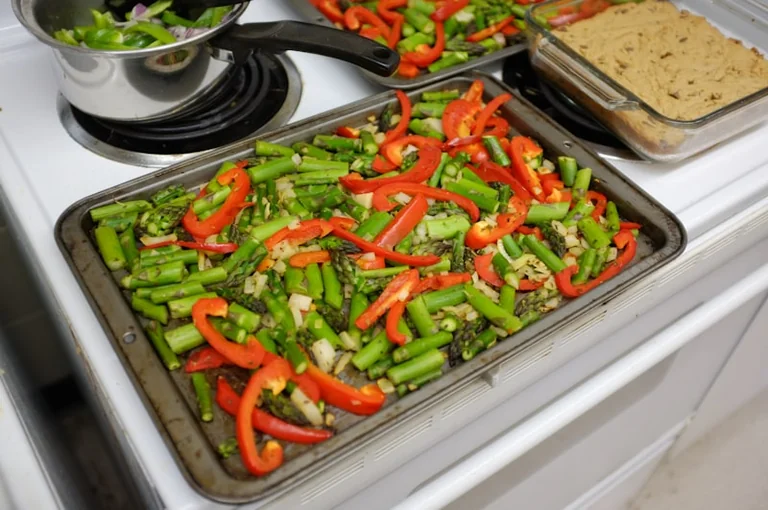
The liquid at the bottom should resemble a loose, glossy sauce rather than clear tomato water. Drag a spoon through it: the juices should briefly separate before flowing back together. If the mixture remains very wet, spread it out again and roast for another five to eight minutes.
Do not wait for every drop of juice to evaporate. Some sauce is desirable, particularly when serving the traybake with bread or grains. The aim is concentrated flavour without a soupy finish.
Preventing a watery tomato traybake
Tomato variety and ripeness affect the amount of liquid released, but the cooking setup matters just as much.
- Use a wide metal tray so moisture can escape quickly.
- Keep the ingredients in one loose layer rather than stacking them.
- Drain, rinse and shake the butter beans thoroughly.
- Roast the tomatoes before adding the beans, giving their juices time to reduce.
- Avoid covering the tray, which would trap steam.
- Salt immediately before roasting rather than leaving salted raw tomatoes to stand.
If exceptionally juicy tomatoes create excess liquid after the first 20 minutes, spoon a little into a heatproof cup before adding the beans. Reduce it separately in a small pan for a quick sauce, or save it for soup. This is rarely necessary when using a suitably wide tray.
Tomato, herb and finishing swaps
Cherry tomatoes work well and require less chopping. Leave small ones whole and halve larger ones, then begin checking them after 15 minutes because their skins can blister quickly. A mixture of yellow and red cherry tomatoes gives the tray additional colour without changing the method.
For large beefsteak or very juicy garden tomatoes, cut away hard cores and divide the flesh into broad wedges. Give them space and expect the initial roasting stage to take an extra five minutes. Plum tomatoes are naturally fleshier and usually produce the most concentrated result.
Cannellini beans or chickpeas can replace butter beans. Cannellini beans create a similarly soft finish, while chickpeas remain firmer and may need an extra splash of olive oil. Rosemary, marjoram or a small amount of dried chilli can replace or supplement the oregano and thyme.
For a dairy-free and vegan finish, omit the cheese and add extra lemon zest, toasted breadcrumbs, chopped olives or toasted pine nuts. Check packaged toppings if cooking for someone with an allergy, as ingredients and cross-contamination warnings vary.
Serving ideas that keep dinner simple
Spoon the traybake into shallow bowls and serve it with crusty bread for catching the tomato juices. For a larger meal, add cooked couscous, bulgur wheat, quinoa or brown rice. A peppery rocket salad or quickly dressed cucumber adds freshness without creating much extra work.
Leftovers also make a useful lunch. Serve them at room temperature over toast, fold them through cooked pasta, or crush some of the beans and tomatoes together to make a chunky sandwich filling.
Cooling, storing and reheating leftovers
Transfer leftovers from the hot tray to a shallow container so they cool more quickly. Refrigerate them within two hours of cooking, cover once cooled, and use within three to four days. Do not leave the traybake at room temperature overnight.
Reheat only the portion you need until it is steaming hot throughout. A covered microwave-safe dish works well, or place the beans and tomatoes in a small baking dish and warm them in the oven. Add a teaspoon of water if the sauce has thickened substantially in the refrigerator.
Cold leftovers can be eaten directly from the refrigerator if they were cooled and stored safely. Discard the food if it has been left out too long or shows an unusual smell, appearance or texture.
Source: Editorial research
Context & actions About this article
Source check Recipe method
The timings, tray size and doneness cues are designed to produce tender beans and concentrated tomato juices with minimal washing-up.
- Butter beans are drained thoroughly before roasting.
- The vegetables are spread across a wide, shallow tray.
- Cooking temperatures are supplied for conventional, fan and Fahrenheit ovens.
- Leftovers are cooled promptly and refrigerated within two hours.
- Scope
- International
- Updated
- 2026-08-25 19:51
Source check
Report a trust issue
Send a clear signal to community moderation if the source, facts or context need review.



Comments