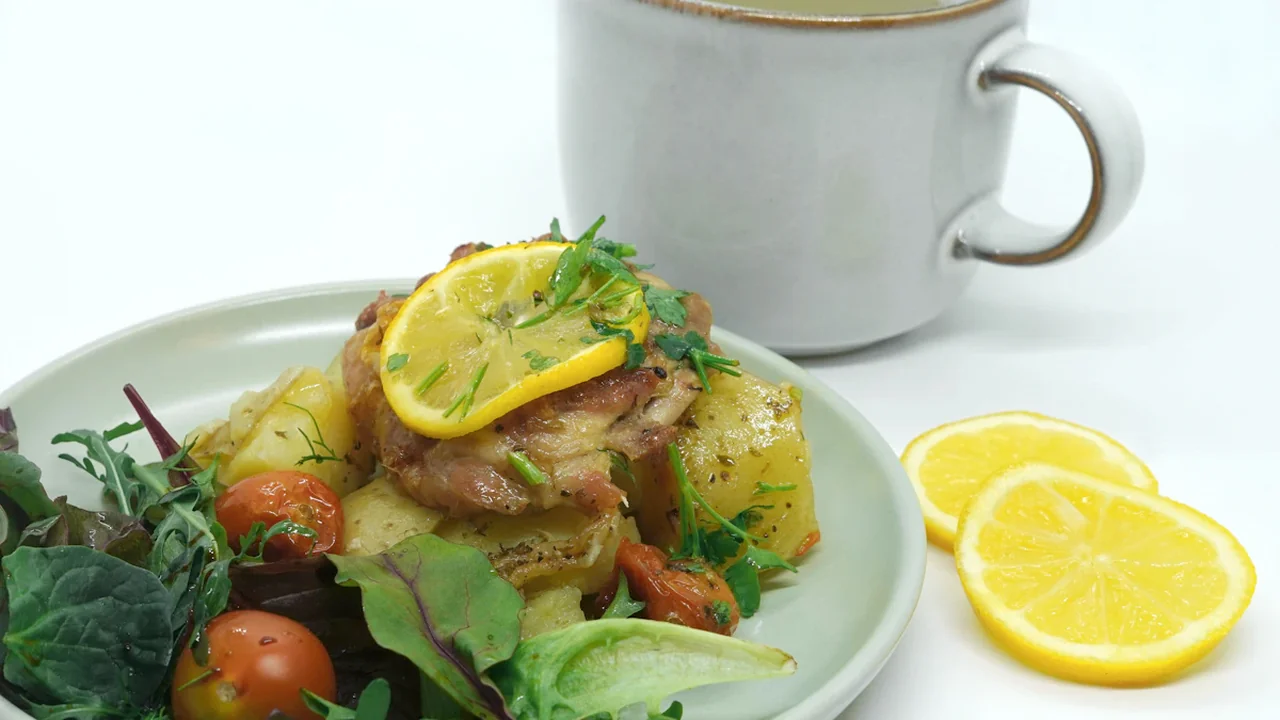
This mackerel, beetroot and warm potato salad makes a satisfying Saturday supper for four with minimal cooking. Warm potatoes absorb the sharp mustard and lemon dressing, while earthy beetroot, peppery watercress and rich British seafood give the dish enough contrast to feel complete.
By GlobeBids Food Desk
Published 30 August 2026
Publisher: GlobeBids
Preparation takes about 15 minutes, followed by 20 minutes of cooking. You can use smoked mackerel for a deeper flavour or plain cooked mackerel when you want a milder, lower-salt meal.
Read also: The 30-Minute Sunday Fridge Reset for Safer Weeknight Meals
Ingredients for four servings
- 750g new potatoes, scrubbed and halved if large
- 300g smoked or cooked mackerel fillets
- 300g cooked beetroot, drained and cut into wedges
- 80g watercress or mixed peppery leaves
- 120g plain natural yoghurt
- 1 tablespoon wholegrain mustard
- 2 tablespoons fresh lemon juice
- 1 teaspoon finely grated lemon zest
- 1 tablespoon extra-virgin olive oil
- 2 spring onions, finely sliced
- 2 tablespoons chopped dill or parsley
- Freshly ground black pepper
- A small pinch of salt, optional
- Lemon wedges, to serve
Choose cooked, unpickled beetroot if possible. Strongly vinegared beetroot can overwhelm the lemon dressing, although it may still be used if you reduce the lemon juice slightly.
For a dairy-free dressing, replace the yoghurt with another 2 tablespoons of olive oil and 1 tablespoon of water. Whisk vigorously until the mustard binds the liquids into a loose dressing.
Dress the potatoes while they are still warm
Put the potatoes in a saucepan, cover with cold water and bring to a boil. Reduce the heat and simmer for 15–20 minutes, or until a knife passes easily through the centre. They should be tender without beginning to break apart.
While the potatoes cook, whisk together the yoghurt, mustard, lemon juice, lemon zest and olive oil. Add black pepper, then taste before adding any salt. Smoked mackerel and mustard may already provide all the seasoning the salad needs.
Drain the potatoes thoroughly and leave them in the warm pan for two minutes so excess surface moisture can evaporate. Transfer them to a wide bowl while they are still warm rather than piping hot.
Immediately spoon over about half of the dressing and turn the potatoes gently until coated. The warm, slightly porous surfaces take in more mustard, lemon and seasoning than cold potatoes would. Leave them for five minutes before adding the remaining ingredients; this also prevents delicate leaves from wilting too quickly.
Remove the mackerel skin and check every flake for bones
Place each mackerel fillet skin-side down on a clean board. Lift one corner of the skin and peel it away slowly, holding the flesh in place with your other hand. If the skin tears, use a small knife to release the remaining section without crushing the fish.
Break the flesh into large flakes along its natural lines. Work under good light and run clean fingertips gently over every piece. Remove the central pin bones and any fine bones with clean kitchen tweezers or your fingers. Check again as the fish is added to the bowl, particularly when serving children or anyone who may find small bones difficult to detect.
Keep the prepared fish refrigerated until the potatoes have been dressed and the rest of the salad is ready. Use a separate clean board and utensils for any raw fish if you are cooking the mackerel yourself.
Bring the smoky, earthy and acidic flavours into balance
Add the beetroot, spring onions and chopped herbs to the warm dressed potatoes. Fold them together only two or three times if you want to keep distinct golden and purple colours. More vigorous mixing will turn the entire salad pink but will not affect its flavour.

Add most of the watercress and mackerel, reserving a few flakes and leaves for the top. Fold carefully so the fish remains in recognisable pieces. Spoon over enough of the remaining dressing to make the salad moist without smothering the ingredients.
Taste a potato together with a piece of fish and beetroot. This is a better test than tasting the dressing alone. Add lemon if the fish feels too rich, a little yoghurt if the beetroot tastes too earthy, or extra watercress and black pepper if the salad needs a fresher edge.
A lower-salt version
Use plain cooked mackerel rather than smoked mackerel, cook the potatoes without salt and omit the final pinch of salt. Choose a reduced-salt mustard where available and compare packaged ingredient labels. Extra lemon zest, dill, parsley and black pepper can build flavour without relying on salt.
If only smoked fish is available, use a smaller quantity and increase the potatoes, leaves and beetroot slightly. Do not assume rinsing smoked mackerel will remove a predictable amount of salt.
Using tinned fish instead
Replace the fillets with two 160g tins of mackerel, ideally packed in spring water or oil. Drain the fish well and check it for bones and skin before flaking. Soft canning bones are generally edible, but they can still be removed when their texture is not wanted.
Tinned salmon, sardines or tuna can also work, although each changes the result. Sardines are richer and more assertive, while tuna may need an extra spoonful of dressing. For a lower-salt meal, compare labels and select fish packed without added brine where possible.
Serve promptly and keep the fish properly chilled
Divide the salad between four plates and finish with the reserved mackerel, watercress and lemon wedges. It is best served while the potatoes remain slightly warm and the leaves are crisp.
For transport or an outdoor meal, cool the dressed potatoes before combining them with the fish. Carry the salad in a sealed container inside an insulated cool bag with frozen ice packs, keeping it at 5°C or colder where practical. Pack the leaves separately and add them immediately before serving.
Do not leave the fish salad in direct sunlight or a warm vehicle. Return unused food to refrigeration promptly, and discard it if you cannot be confident that it remained safely chilled. Refrigerate covered leftovers and use them within one day, following current UK food-safety guidance.
This recipe contains fish, mustard and milk when made with yoghurt. Check every packaged ingredient for additional allergens or cross-contamination warnings. A dairy-free dressing removes milk but does not remove the fish or mustard allergens.
Pregnancy and food-safety recommendations can change. Anyone who is pregnant should check current NHS advice on oily-fish portions and ready-to-eat smoked fish before choosing the mackerel. Current NHS guidance should also be consulted where an allergy, medical diet or other individual health consideration is relevant.
Source: Editorial research
Context & actions About this article
Source check Recipe method
The method prioritises warm dressing absorption, careful bone removal and safe chilled handling of cooked fish.
- Ingredient quantities provide four main-meal servings.
- Potatoes are dressed while warm to improve flavour absorption.
- Mackerel is checked twice for skin and fine bones.
- Transport guidance keeps the prepared fish salad chilled.
- Scope
- United Kingdom
- Updated
- 2026-09-01 15:42
Source check
Report a trust issue
Send a clear signal to community moderation if the source, facts or context need review.



Comments