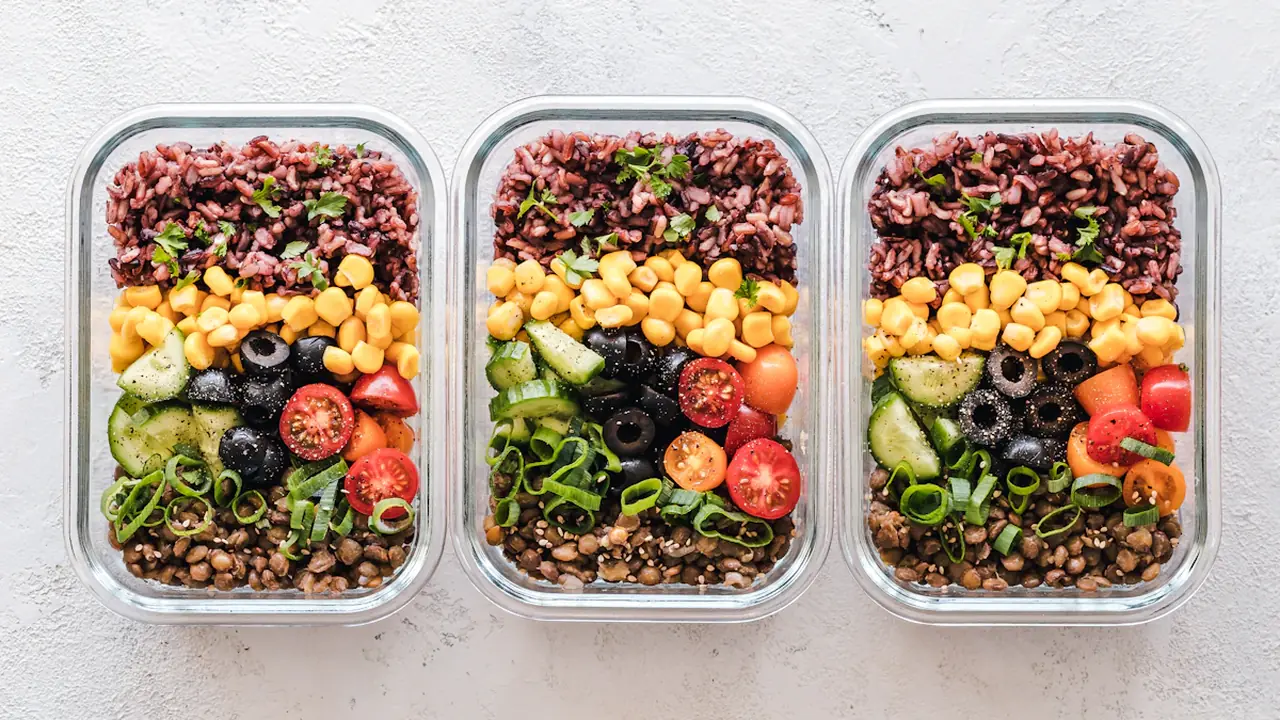
A 30-minute Sunday fridge reset can make weekday dinners easier without consuming the whole weekend. The aim is simple: remove questionable food, store leftovers safely, bring ingredients with shorter lives into view and choose two adaptable meals before decision fatigue takes over.
By the GlobeBids Lifestyle Desk | Reviewed September 1, 2026
Main takeaways
- Check temperatures, dates and open leftovers before planning meals.
- Keep raw meat sealed, separate and below ready-to-eat food.
- Cool cooked food promptly and handle cooked rice with extra care.
- Plan two flexible dinners, then prepare only components that store safely.
Minutes 0–8: Audit the fridge before buying or cooking
Start with a clear section of the counter, a waste container and a marker. Check that the refrigerator is operating within the safe range recommended by its manufacturer and your local food-safety authority. Depending on the country, guidance commonly sets the maximum at 4°C or 5°C.
Read also: Saturday Vegetable Soup With a Smart Leftover Bread Plan
Work from the top shelf down so nothing is forgotten. Look at opened jars, dairy products, prepared food, produce drawers and anything pushed against the back wall. Check use-by or equivalent safety dates carefully. A best-before date usually concerns quality, but labelling rules differ, so follow the packet rather than assuming the terms are interchangeable.
Do not taste food to decide whether it is safe. Discard items that are past a safety-related date, have been stored incorrectly or have an uncertain history. Smell and appearance can reveal obvious spoilage, but harmful microorganisms are not always detectable that way.
For each acceptable leftover, answer three questions:
- What is it?
- When was it cooked or opened?
- When must it be eaten, frozen or discarded under the packet and current local guidance?
If nobody can establish when a leftover was prepared, keeping it for another week is a poor trade-off. This short audit is also the best moment to note foods that repeatedly go unused, helping future shopping lists become more realistic.
Minutes 8–15: Cool, label and separate food safely
Cooked food should be cooled and refrigerated promptly because bacteria can multiply while it remains in the temperature range between hot cooking and cold storage. Do not leave a large pot on the counter until bedtime or wait for food to become completely cold.
Transfer soups, stews and other large batches into clean, shallow containers so heat can escape more quickly. Brief venting may help steam dissipate, but refrigerate the food within the time specified by current local guidance. Avoid overloading the fridge with several large hot containers, which can warm nearby food; smaller portions cool more evenly.
Label each container with its contents and cooking date. Add an eat-by or freeze-by date based on the recipe, packet instructions and local food-safety advice. Clear labels prevent the familiar midweek problem of trying to identify an anonymous container while hungry.
Keep raw meat below ready-to-eat food
Place raw meat, poultry and fish in sealed containers or leakproof trays on the lowest suitable shelf. Keep them away from cooked food, salads, fruit and anything that will be eaten without further cooking. This reduces the risk of juices, hands or packaging transferring harmful microorganisms to ready-to-eat ingredients.
Use separate utensils and boards during preparation, wash hands after handling raw products and clean affected surfaces. Never return cooked food to an unwashed plate that previously held raw meat.
Give cooked rice special attention
Cooked rice needs particularly careful handling because spores of Bacillus cereus can survive cooking. If rice stands warm for too long, the spores may grow and produce toxins; reheating may not remove every toxin already formed.
Cool rice as quickly as possible, ideally in a shallow layer or small portions, and refrigerate it promptly according to local guidance. Some authorities recommend chilling rice within one hour, eating refrigerated rice within 24 hours and reheating it only once. Because official recommendations vary, follow the rice packet and current advice where you live. When reheating is permitted, ensure it is steaming hot throughout.
Minutes 15–20: Move shorter-life ingredients into view
Create a clearly visible first-use area at the front of a shelf. Put suitable items there if they are approaching their date, already open or likely to deteriorate quickly. This might include half a tub of yoghurt, an open carton, cooked vegetables, herbs or a pepper beginning to soften.
Keep the group small enough to see at a glance. A crowded container merely creates another place for food to disappear. Raw meat should remain in its safely separated lower-shelf position rather than being moved beside ready-to-eat foods.
Group longer-lasting staples by function: breakfast items together, sandwich ingredients together and cooking sauces together. Refrigerator organisation works best when it helps the household answer two questions quickly: what needs using first, and what can become dinner?
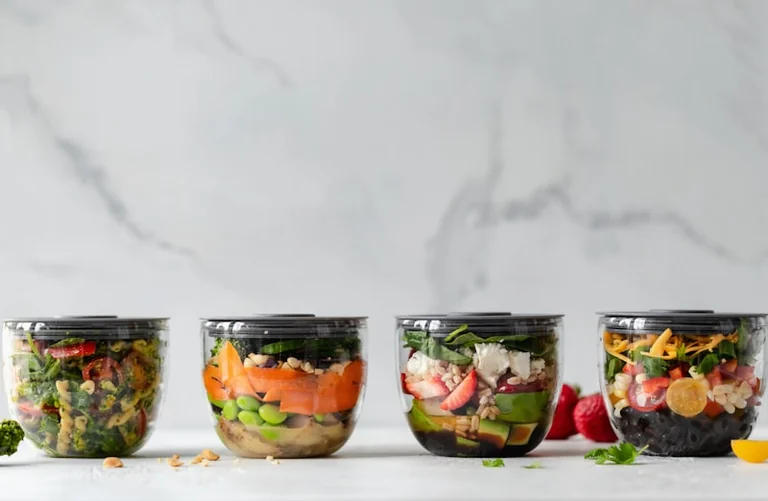
Freezing can prevent waste, but it does not reset food that has already been stored unsafely. Freeze appropriate food before its safety deadline, use freezer-safe packaging and label it with the name and date.
Minutes 20–25: Choose two flexible meal frameworks
Plan only two anchor meals rather than assigning a different recipe to all seven nights. Each framework should accommodate substitutions, leftovers and changing schedules.
One useful formula is a tray meal: a safely stored protein or pulse, two vegetables and a seasoning. Chicken could become chickpeas; broccoli could become courgette; potatoes could be replaced by bread or another grain cooked on the day.
A second formula is a bowl, pasta dish or soup built from three parts:
- A base such as pasta, noodles, potatoes or freshly cooked rice
- A protein such as beans, eggs, tofu, fish or thoroughly cooked meat
- Vegetables plus a sauce, dressing or stock
Choose ingredients from the first-use area wherever practical. For example, ageing tomatoes and peppers could become a pasta sauce, while cooked vegetables could be added to a properly heated soup if they remain within their safe storage period.
This is meal planning without a rigid seven-day menu. The household decides what to make before the busy week begins but retains enough flexibility to respond to late meetings, changing appetites and unexpected leftovers.
Minutes 25–30: Prepare only components that will store well
Preparation is useful only when the result remains safe and appealing. Wash produce if recommended, dry it thoroughly and store it appropriately. Damp chopped vegetables may deteriorate quickly, while some whole produce lasts longer when left uncut.
Good low-effort options can include mixing a dressing, portioning dry ingredients, grating a hard cheese or chopping robust vegetables for the next day. Keep prepared foods in clean, covered containers and label them when their identity or preparation time will not be obvious.
Avoid cooking an entire week of food by default. Fish, delicate salads, cut fruit and some cooked grains may have shorter safe or quality windows than expected. Rice should not be batch-cooked casually unless it can be cooled, refrigerated and used within the relevant guidance.
Leave raw ingredients in their original packaging when the packet provides important storage or use-by information. Always follow cooking, cooling, freezing and reheating instructions on the product.
A safer reset when fridge space is limited
In a compact fridge, prioritise temperature control and separation over decorative containers. Use stackable, shallow boxes only when they improve visibility and allow cold air to circulate. Do not pack shelves so tightly that vents are blocked.
Store only the portions likely to be eaten soon and freeze suitable extras promptly. Keep raw meat in a leakproof container at the bottom, even if that means moving drinks or condiments elsewhere. Shelf-stable unopened products should remain outside the fridge only when their packets permit it.
A magnetic list or phone note can substitute for a dedicated first-use box. Record three to five priority ingredients and remove each one as it is eaten, frozen or discarded.
Make a two-minute midweek recheck
On Wednesday or the household’s busiest midweek day, inspect the first-use area and labelled leftovers. Decide immediately whether each item will be eaten soon, frozen safely or discarded. Recheck any opened packets and confirm that raw products remain separated.
This small pause prevents Sunday’s organisation from becoming Thursday’s mystery-food collection. It also creates a practical fallback plan: if the original dinner is no longer convenient, use the second meal framework or a safely frozen portion rather than ordering food simply because no decision has been made.
Source: Editorial research
Context & actions About this article
Source check Food-safety method
This routine applies widely used storage principles while directing readers to current local guidance and product instructions for exact temperatures and time limits.
- Confirm the refrigerator's safe temperature with local food-safety guidance.
- Follow use-by dates and storage instructions printed on each packet.
- Check local rules for cooling, storing and reheating cooked rice.
- Keep raw meat sealed and separate from ready-to-eat food.
- Scope
- International
- Updated
- 2026-09-13 12:15
Source check
Report a trust issue
Send a clear signal to community moderation if the source, facts or context need review.



Comments