By the GlobeBids Food Desk
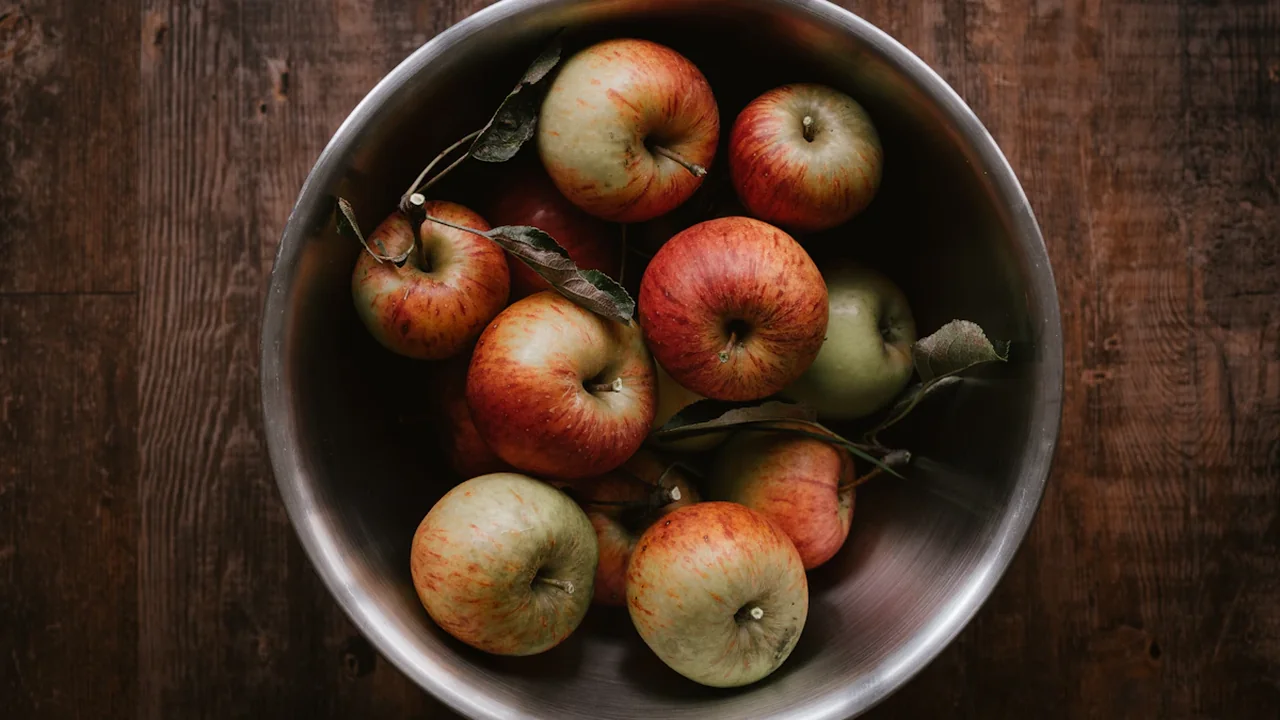
The best way to make an autumn shop last is to sort apples and pears as soon as you get home. Eat or cook bruised fruit first, let firm pears ripen at room temperature, and refrigerate sound apples and ripe pears. Keep them away from delicate produce that may deteriorate faster beside ripening fruit. How long any piece lasts depends on its variety, ripeness and condition when you bought it.
Sort apples and pears before putting them away
Unpack the fruit gently and look at every piece. Set aside anything with a bruise, split skin, soft patch or leaking juice. A small bruise does not necessarily make fruit unusable, but it gives that piece priority: damaged flesh tends to soften and spoil before sound fruit.
Make three groups:
- Eat soon: ripe pears, soft apples and fruit with minor bruises. Keep these visible so they do not disappear behind the sound fruit.
- Cook soon: fruit that is too soft for pleasant eating but still smells fresh and has no mould or signs of decay. Use it in a crumble, compote or sauce.
- Keep for later: firm, intact apples and pears without obvious damage. Give these the coolest suitable space and check them regularly.
Handle each piece rather than tipping a bag onto a counter. Pressure from a heavy pile can create new bruises, especially on ripe pears. If fruit came in packaging that traps condensation, move it into a clean, breathable container before storing it.
Refrigerate apples and move pears once they are ripe
For most households, the refrigerator’s produce drawer is a useful place for apples you want to keep beyond the next few days. Cold slows softening. Put sound apples in a loose or perforated bag, or in a drawer with enough room for air to move around them. Avoid sealing damp fruit in an airtight bag, where moisture can collect.

Pears need a different first step. Many are sold firm and continue to ripen after purchase. Leave firm pears at room temperature, out of direct sun, and check them daily. A pear is usually ready to eat when it yields slightly to gentle pressure near the stem. Press lightly: squeezing the middle can bruise it. Once ripe, move pears to the refrigerator if you are not eating them promptly.
Do not wash whole apples or pears before storing them. Extra surface moisture can encourage deterioration; wash them under running water when you are ready to eat or prepare them. Dry any fruit that becomes wet in the fridge, and remove pieces that begin to leak.
A cool room may work for fruit you plan to eat soon, but room conditions vary. A warm kitchen speeds ripening and softening. Check the fruit itself rather than relying on a promised number of storage days: a firm apple and an already ripe pear will not keep for the same length of time.
Keep ripening fruit away from delicate produce
Apples and pears release ethylene, a natural gas that helps fruit ripen. That is useful when you want firm pears to become ready to eat. It can be less useful beside produce that you hoped to keep crisp, such as leafy greens. Store apples and pears separately from delicate vegetables when drawer space allows.
If you have only one produce drawer, keep the fruit in a separate loose bag or container and leave room around the other produce. Check nearby greens more often. Separation helps, but it cannot compensate for a bruised item left to decay or a drawer packed so tightly that air cannot circulate.
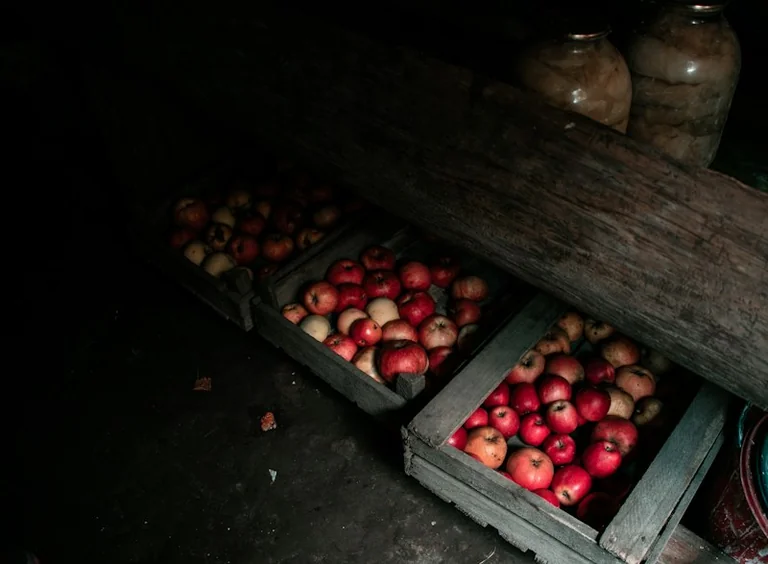
You can also use ripening deliberately. Place a firm pear near an apple at room temperature and check the pear each day. Move it to the fridge when it reaches the texture you like. This is more reliable than trying to predict an exact ripening date, because pear varieties and starting ripeness differ.
Check for spoilage and use the softest fruit first
Give stored fruit a quick look whenever you open the drawer. Remove a piece that is leaking, collapsing or developing mould so it does not soil its neighbours. A musty or fermented smell, extensive softening, or visible mould means the fruit should be discarded. Do not cook mouldy fruit in an attempt to rescue it.
A small, localised bruise on otherwise sound fruit is different. Wash the fruit, cut away the damaged area and use the rest promptly if it looks and smells normal. If the damage extends through much of the flesh, discard it. When in doubt about a badly deteriorated piece, leave it out of the meal.
Keep a small cooking pile where you will notice it. Soft but sound apples can become sauce or a baked filling; ripe pears can be poached or added to a crumble. Cut fruit is more perishable than whole fruit, so refrigerate prepared pieces promptly and use them soon.
Before the next shop, check what remains in the drawer. Eat ripe pears and marked apples first, then reassess the firm fruit. This simple rotation makes storage decisions follow the condition of the fruit you actually have, rather than an assumed shelf life.
Source: Editorial research
Context & actions About this article
Source check How to use this guide
The advice uses visible ripeness and damage to guide storage choices because keeping time varies by variety and condition.
- Check pears daily while they ripen at room temperature.
- Inspect refrigerated fruit regularly for soft spots, leaks and mould.
- Move ripe pears into the refrigerator if they will not be eaten promptly.
- Scope
- International
- Updated
- 2026-09-30 11:48
Source check
Report a trust issue
Send a clear signal to community moderation if the source, facts or context need review.



Comments