By the GlobeBids Travel Desk
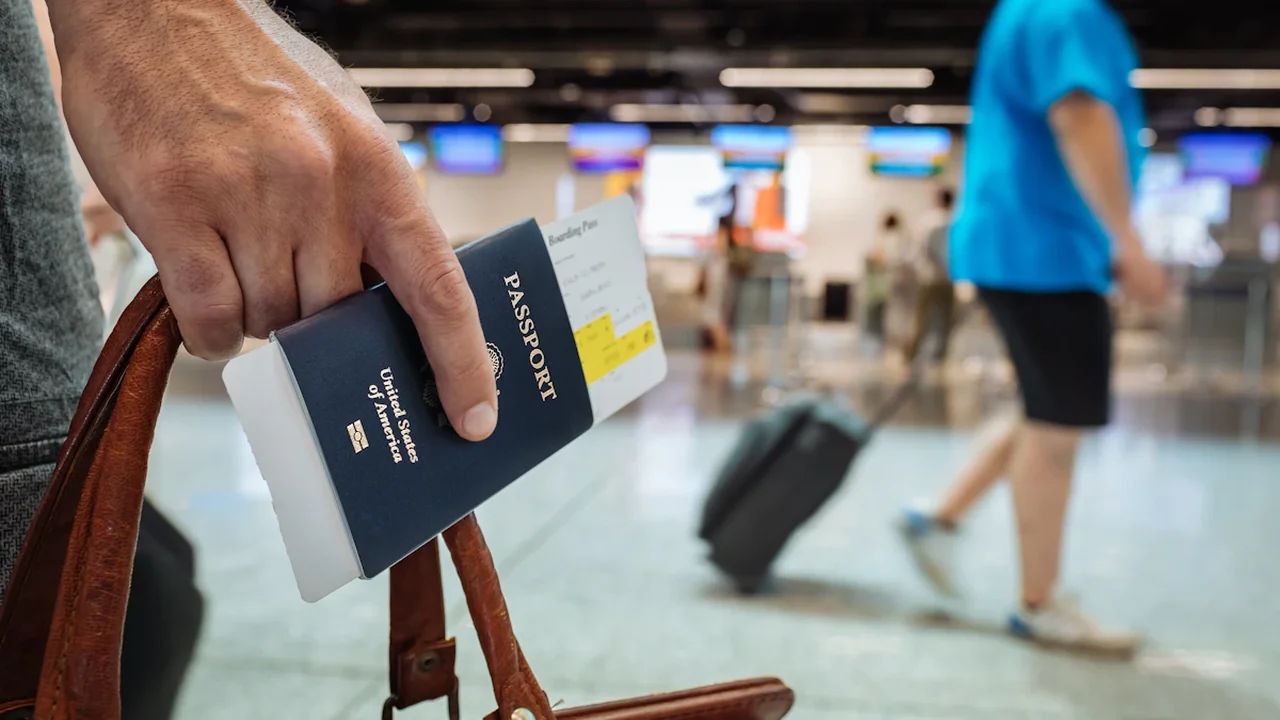
British passport holders taking short trips to the Schengen area should prepare for possible extra border-processing time under the European Union’s Entry/Exit System. Initial registration may include a facial image and fingerprints where required. Before travelling, passengers should check the current arrangements for their specific airport, port or rail route.
What EES records for British short-stay visitors
EES is an automated border system designed to register non-EU nationals travelling for a short stay. It records travel-document details, biometric information and the person’s entry, exit or refused entry.
Most British passport holders visiting the Schengen area for a holiday, business trip or other short stay fall within the group affected. EES is a border-registration system, not a replacement for checking whether a traveller meets the destination’s entry conditions.
During an initial registration, travellers may have a facial image taken and fingerprints collected where required. Their passport details will also be recorded. The precise sequence can depend on the border location, available equipment and local passenger arrangements.
Why border queues can differ by route
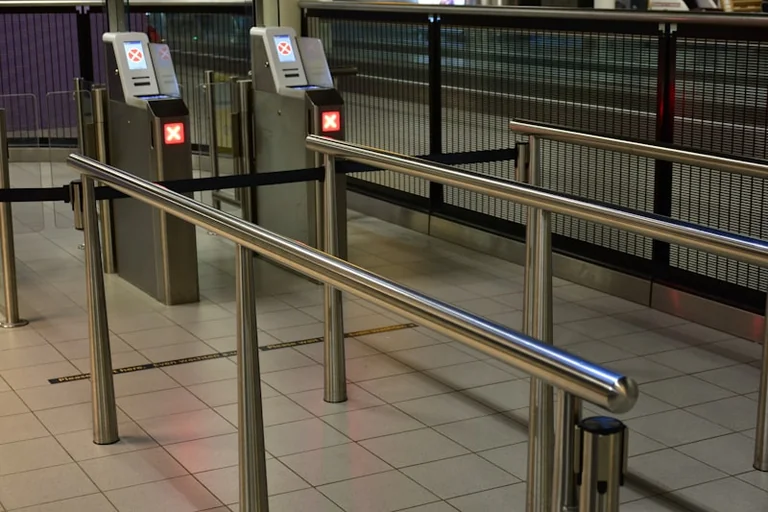
There is no reliable universal number of extra minutes to add. Initial registration can take longer than a later check, while waiting times also depend on passenger volumes, staffing and how travellers move through the terminal.
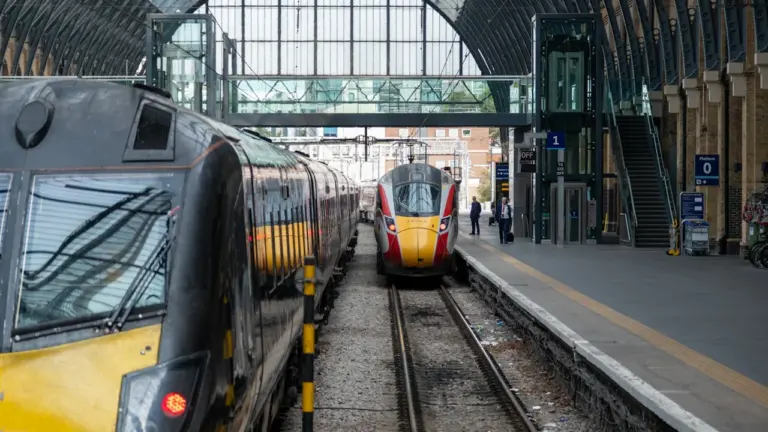
An airport passenger, a Eurostar customer and someone travelling in a vehicle through a ferry port may encounter different layouts and instructions. On some routes, the relevant Schengen border check may take place before departure; on others, it may happen after arrival.
Families and groups should allow for each eligible traveller to be processed. Adults should follow staff instructions and avoid assuming that every child or accompanying relative will complete exactly the same biometric steps.
Four checks before leaving for the Schengen area
- Check the specific route: Review the carrier, terminal and official government guidance for the journey on the day of travel.
- Confirm passport validity: Apply the entry rules published for the destination rather than relying only on the passport’s printed expiry date.
- Build in extra time: Treat border processing as separate from the carrier’s check-in, bag-drop and boarding deadlines.
- Follow carrier instructions: Complete any requested advance information and use the designated queue, kiosk or border-control lane.
The European Union EES page explains the system’s purpose. The UK government’s EES guidance describes its effect on British citizens. Checking both alongside the carrier’s latest instructions is the safest way to identify route-specific changes before departure.
Source: European Union
Context & actions About this article
Source check Official guidance
This guide uses European Union and UK government information, while operational arrangements may differ by route.
- EES purpose checked against European Union guidance
- British traveller impact checked against UK government guidance
- No universal queue time or identical border process assumed
- Travellers directed to check route and carrier instructions
- Source
- European Union Entry/Exit System
- Scope
- United Kingdom and Schengen area
- Updated
- 2026-08-16 11:06
Source check
Report a trust issue
Send a clear signal to community moderation if the source, facts or context need review.


Comments