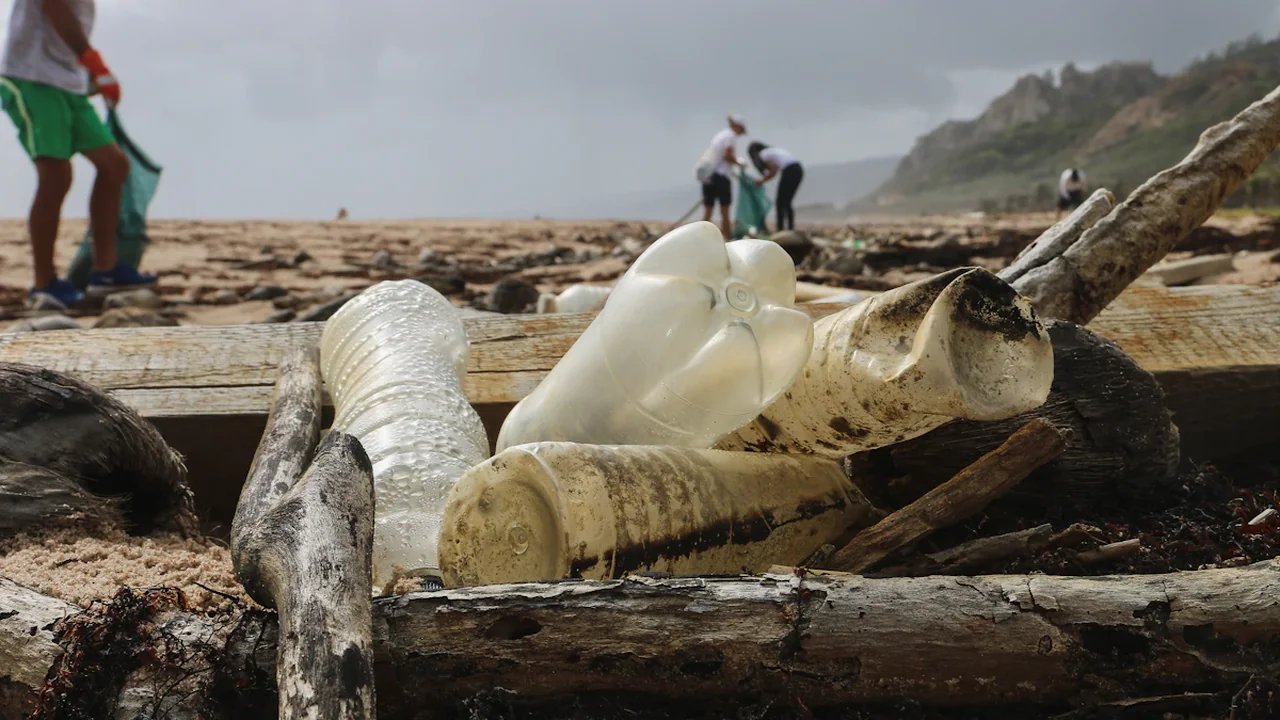
The Marine Conservation Society’s Great British Beach Clean is a UK-wide September litter-picking campaign that lets volunteers help remove marine litter while contributing citizen-science records. Before joining a local clean, check the organiser’s meeting details, tide times and forecast, then bring simple reusable kit and follow the safety guidance on site.
The event is designed for people who want to take part in a community activity with a practical environmental purpose. Organised cleans may have their own registration, timing and equipment arrangements, so confirm these before travelling.
Find a local clean and prepare for the conditions
Start with the Marine Conservation Society’s Great British Beach Clean page to look for participating events and local instructions. Check whether the meeting point is accessible, whether children need to be accompanied, and whether bags, litter pickers or gloves will be supplied.
Before leaving home, check:
- The local weather forecast, including wind and rain.
- Tide times and the organiser’s planned finishing time.
- Footwear suitable for wet sand, shingle or uneven ground.
- Public transport, parking and toilet arrangements where relevant.
Avoid walking onto areas that may be cut off by a rising tide. If conditions worsen, follow the event leader’s advice or leave the beach safely.
What to bring to a beach clean
A small, reusable kit is usually enough. Bring only what you can carry comfortably and keep hands free when moving around the shore.
- Sturdy gloves; reusable work gloves are a practical option.
- A reusable water bottle and weather-appropriate clothing.
- Closed-toe shoes with grip.
- Sun protection or a waterproof layer, depending on conditions.
- A litter picker and reusable collection bag if the organiser has not confirmed that equipment is provided.
- Any medication or personal essentials you may need while outdoors.
Keep food and drink separate from collected waste, and wash hands after the clean.
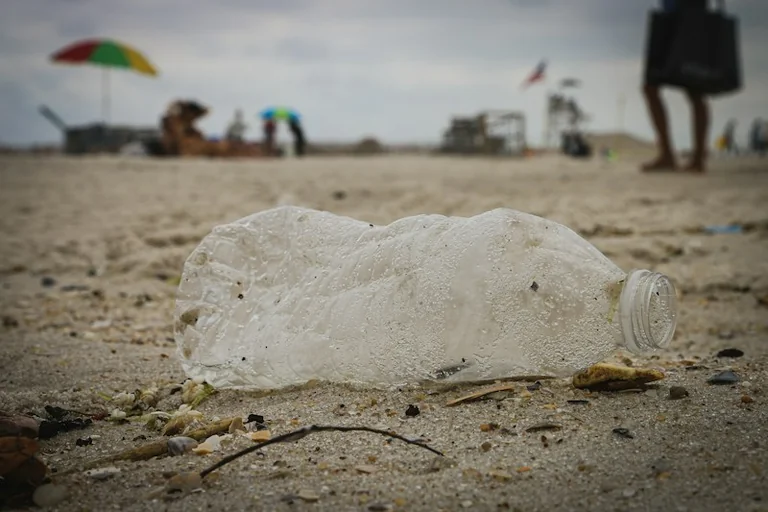
Leave sharp or hazardous items for trained staff
Do not handle needles, broken glass, chemicals, dead animals, unknown containers or any item you cannot safely identify. Keep other volunteers, children and pets away from the object, tell the event leader, and follow their reporting process.
Never compress bags with your hands or reach into hidden spaces such as rocks, seaweed piles or bins. If you are unsure whether an item is safe to collect, leave it where it is and ask for help.
Record litter accurately so the clean has a wider impact
The Great British Beach Clean is more than a tidy-up. The Marine Conservation Society uses volunteers’ litter data to support its work on ocean pollution. That makes careful recording as useful as the collection itself.
Use the organiser’s form or app instructions and record items in the categories provided. Count what you can identify clearly, rather than guessing. For example, record drinks containers, food packaging, fishing-related litter or cigarette filters under the relevant category when instructed.
If a piece is too damaged or uncertain to classify, ask the event leader how it should be logged. Record data during the clean or immediately afterwards, while the details are still clear. Your next useful check is the local organiser’s event page for the meeting point, equipment arrangements and any weather-related change.
Source: Marine Conservation Society
Context & actions About this article
Source check Event source
The Marine Conservation Society runs the Great British Beach Clean and uses volunteer litter data in its work on ocean pollution.
- Check the Marine Conservation Society event page for local clean listings.
- Confirm the meeting point and equipment arrangements with the local organiser.
- Check local tide times and the weather forecast before travelling.
- Source
- Marine Conservation Society
- Scope
- United Kingdom
- Updated
- 2026-09-13 13:00
Source check
Report a trust issue
Send a clear signal to community moderation if the source, facts or context need review.




Comments