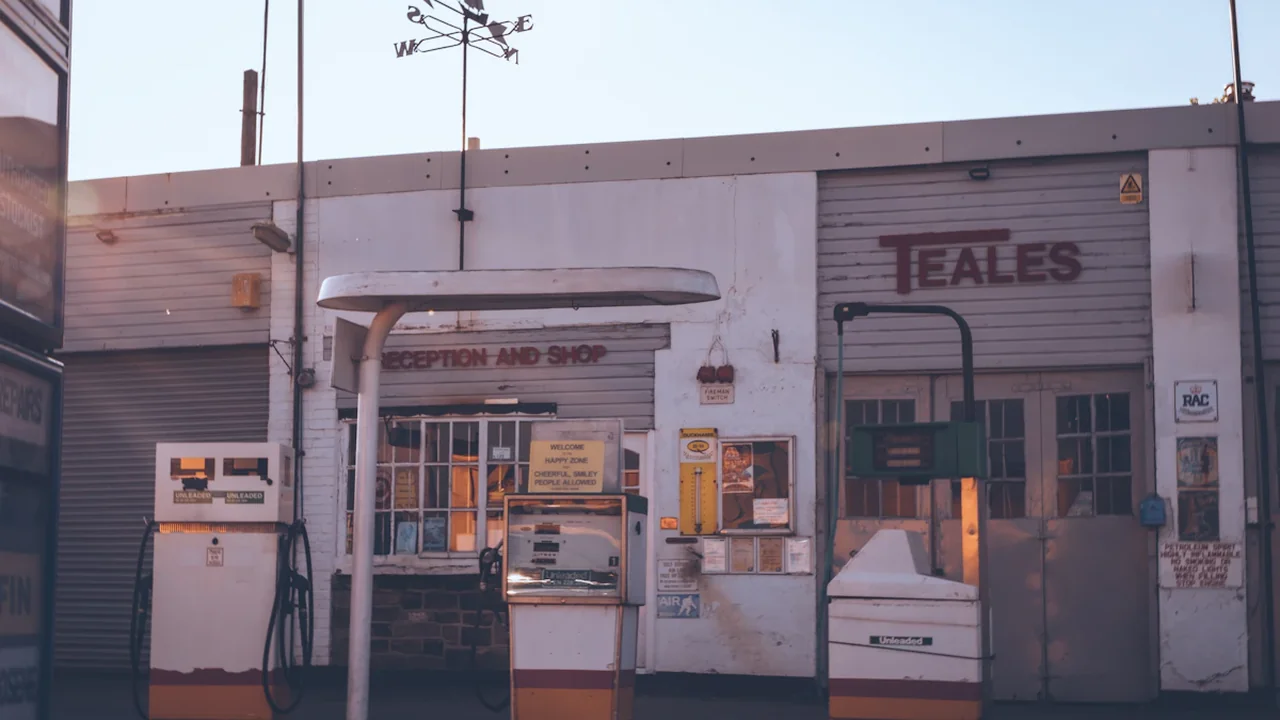
Before filling up for an autumn drive, compare nearby forecourts for the fuel your vehicle uses and include the cost of getting there. A lower displayed price may not save money if the station adds a long detour, and petrol prices cannot be compared directly with diesel prices.
Check current prices around your route
Use a current fuel-price service, a station’s own listing or a price displayed at the forecourt to identify nearby options. Check the date and time of any listing where available: prices can change, and an older result may not match the pump today. For broader context, UK fuel prices can help illustrate how prices compare over time.
Compare stations close to your starting point, destination or planned route. A station a little farther away might still be convenient if you are already passing it; a special trip across town is a different calculation.
Before setting off, check whether the station is open and offers the fuel you need. If a listing is unclear or looks out of date, confirm at the forecourt or choose a more reliable current source.
Compare the full cost, including the detour
A pump price is only part of the cost of choosing a station. Work out how much fuel you expect to buy, then consider how much extra driving the stop requires. The added distance can use fuel and take time, which may outweigh a small per-litre saving.
A practical comparison looks like this:
- Record each nearby station’s current price per litre.
- Note whether each price is for petrol or diesel, and whether the fuel grade suits your vehicle.
- Check the extra distance from your route to the station and back.
- Estimate how much fuel you plan to buy and whether the detour is likely to use a meaningful amount.
- Compare the likely saving with the extra driving, time and convenience.
For a rough estimate of the price difference, multiply the per-litre gap by the litres you expect to buy. For example, a 2p-per-litre difference on a 40-litre fill would amount to 80p before accounting for the detour. This is an illustration, not a current local price comparison. The actual value depends on the price you see and the amount you buy.
Confirm petrol, diesel and the right grade
Make sure you compare like with like. A price for petrol does not tell you what diesel costs, and standard and premium grades may be priced differently. Check the fuel type and grade shown on the listing or pump before deciding where to stop.
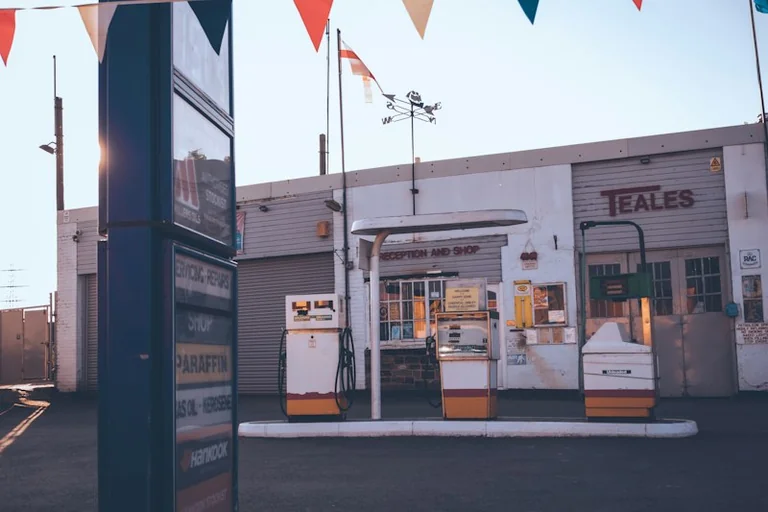
Use the fuel specified for your vehicle. If you are unsure, consult the vehicle handbook or the label inside the fuel flap. A cheaper price for the wrong fuel or an unsuitable grade is not a saving.
Allow for autumn conditions and journey changes
Autumn journeys can include traffic, diversions and changing plans. A station that looks close on a map may take longer to reach if access is awkward or the route is congested. Check the route shortly before leaving and avoid making a detour solely for a small price difference unless the stop also fits your journey.
If you are travelling through an unfamiliar area, identify a suitable alternative along the route. That gives you a fallback if a forecourt is closed, the displayed price has changed or the fuel you need is unavailable.
What the CMA’s road-fuel work means for drivers
The Competition and Markets Authority (CMA) is the UK authority responsible for promoting competition and protecting consumers. It has published a study of the UK road fuel market and monitors issues around competition and price transparency.
That work provides market context, but it does not establish which station near you is cheapest today. Local prices and availability need to be checked at the time you plan to fill up. For a practical decision, use current station-level information and verify the price and fuel type before pulling in.
Make the choice at the time you fill up
A reliable comparison is simple: check recent local prices, compare the same fuel type and grade, and account for the extra distance. If two options are close, the one already on your route may be the more sensible stop even if its displayed price is slightly higher.
Recheck the listing or forecourt price on the day of travel, especially if you are changing your route or filling up later than planned. The price visible at the pump when you arrive is the one to use for your final decision.
Source: UK Government
Context & actions About this article
Source check How to compare
This guide explains how to compare current station prices while accounting for fuel type, grade and detour distance.
- Check the listing date or time where shown.
- Confirm the fuel type and grade before comparing prices.
- Verify the forecourt price and availability on the day.
- Source
- Competition and Markets Authority
- Scope
- United Kingdom
- Updated
- 2026-10-25 09:47
Source check
Report a trust issue
Send a clear signal to community moderation if the source, facts or context need review.



Comments