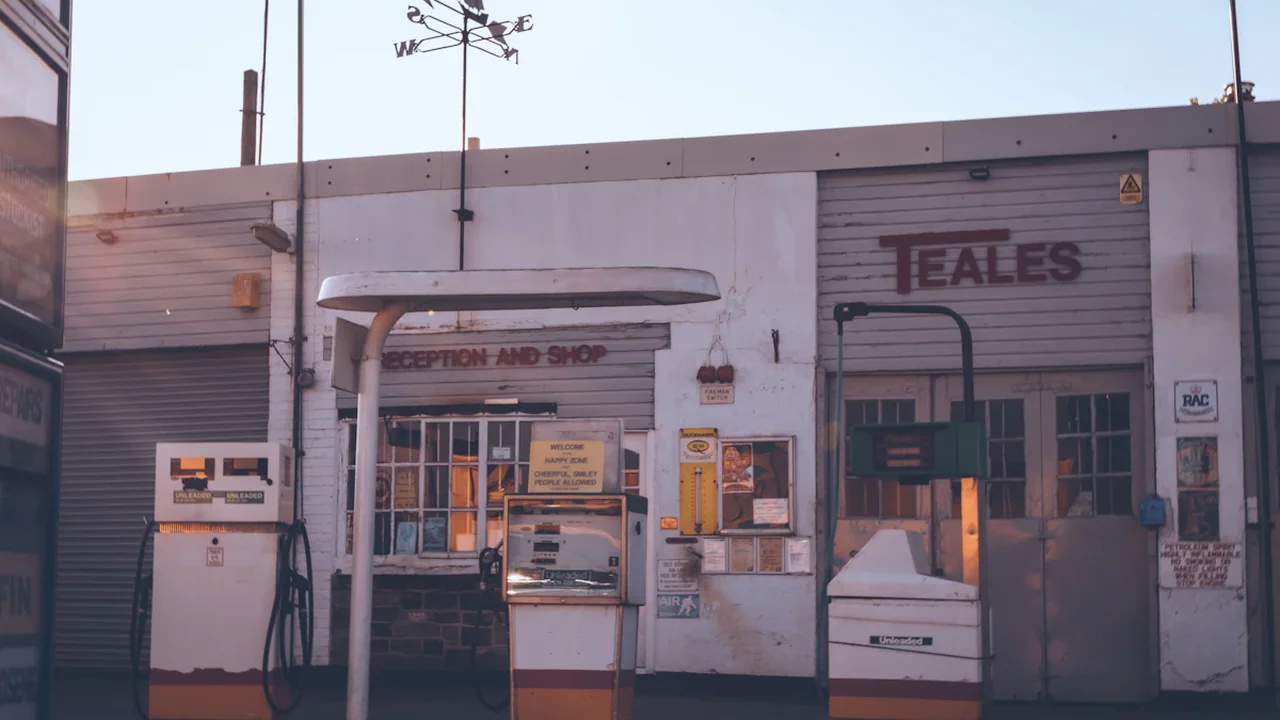
A quick check of local pump prices and your car’s real-world fuel economy can give you a more useful journey budget than a national price headline. Compare stations along your route, estimate the litres you will use, and include any extra miles needed to reach a cheaper pump.
Check prices near your route before setting off
The UK Government provides guidance on road fuel prices, including information from the Competition and Markets Authority (CMA) on finding fuel prices. RAC Fuel Watch also publishes information and analysis about UK petrol and diesel prices. These are useful starting points when comparing what is available locally.
Prices can differ between nearby stations and change over time. Check the price shown for the fuel you need, the station’s location, and when the information was last updated. Treat a listing as a guide and confirm the pump price when you arrive, since prices may have changed.
For a practical comparison:
- Search for stations close to your starting point, destination, or planned route.
- Compare petrol with petrol and diesel with diesel; do not assume one fuel’s price represents the other.
- Check whether a listed price is current and whether the station is open when you expect to arrive.
- Note any access restrictions or route changes that could make a stop inconvenient.
A station near a motorway may be easier to reach but cost more than one a short distance away. The price per litre alone does not show the full cost of stopping there.
Estimate fuel cost using your car’s real-world mpg
For a UK car measured in miles per imperial gallon, estimate the fuel needed by dividing the journey distance by the vehicle’s miles per gallon. Then convert the gallons to litres and multiply by the current price per litre.
Estimated cost = (distance in miles ÷ mpg) × 4.546 × price per litre
The conversion uses 4.546 litres per UK imperial gallon. Check that your vehicle’s mpg figure is also based on UK gallons; figures using US gallons are different. If you know your car’s typical real-world fuel economy, use that rather than relying only on a manufacturer’s test figure. Stop-start traffic, speed, weather, load and driving style can all affect consumption.
Worked example
Suppose a one-way journey is 120 miles, your car averages 40 mpg, and the local price is £1.50 per litre. The estimate is:
- 120 ÷ 40 = 3 UK gallons
- 3 × 4.546 = about 13.64 litres
- 13.64 × £1.50 = about £20.46
This is an estimate for the stated distance and price. A return trip at the same distance would use roughly twice as much fuel if conditions and driving remain similar. If the price changes before you fill up, recalculate using the price you actually pay.
Include the route and any detour in the comparison
A cheaper station can cost more overall if reaching it adds enough mileage. Estimate the detour as part of the trip: add the extra distance to the journey, calculate the extra fuel it uses, and compare that amount with the saving at the pump.
For example, if a station is 10 miles off your route, account for the additional driving to reach it and rejoin the route. Consider whether the detour is 10 miles total or 10 miles each way. The cost will depend on your vehicle’s efficiency and the fuel price, so there is no single distance at which a detour stops being worthwhile.
Also consider time, traffic, parking and whether you would need to make a separate trip. A small saving per litre may not cover the extra fuel, particularly if you are buying only a few litres. A larger fill may make the price difference more meaningful, but the extra mileage still belongs in the calculation.
Make a like-for-like decision before you leave
Compare the same journey and the amount of fuel you expect to buy at each station. Use the same mpg estimate, include any detour distance, and check the price close to your departure. If you are comparing a round trip, account for the full route and whether you plan to refuel along the way.
A simple note on your phone can help: station, fuel type, price per litre, detour miles and estimated total cost. That makes it easier to spot whether a lower displayed price changes what you will spend overall.
The result is a budget, not a guaranteed bill. Real fuel use varies with conditions, and listed pump prices can change. Before setting off, check the current local price information and your route, then confirm the price at the station.
Source: UK Government
Context & actions About this article
Source check Price and cost checks
This guide explains how to compare local pump prices and estimate fuel costs using your route and vehicle efficiency.
- Check the listed price for the correct fuel type
- Confirm when the station price was last updated
- Use your car’s typical real-world mpg
- Include detour miles in the cost estimate
- Source
- UK Government road fuel prices guidance
- Scope
- United Kingdom
- Updated
- 2026-10-26 11:11
Source check
Report a trust issue
Send a clear signal to community moderation if the source, facts or context need review.



Comments