
The UK’s weekly petrol and diesel price series was updated on 29 September 2026 with averages for the week beginning 28 September. If you are setting an October fuel budget, the figures offer a national reference point. Your next check is the price at a nearby forecourt: that is the price you will actually pay.
Compare petrol and diesel by week
The Department for Energy Security and Net Zero publishes separate UK average retail prices for petrol and diesel. Its latest update covers the week beginning 28 September 2026; the preceding weekly entry covers 21 September. Compare the same fuel across those two weeks to see how its national average moved. A petrol figure should not be compared with the previous week’s diesel figure.
The confirmed update establishes the reporting dates, but it does not supply the two weeks’ price figures here. That means there is no reliable pence-per-litre change to quote or calculate in this article. The weekly road fuel prices page provides the figures to use for that comparison.
Read also: How to Compare Local Petrol and Diesel Prices in the UK
Even when the weekly figures are side by side, a change in the national average does not establish what happened at every filling station. Local prices can differ, and a weekly average is not a live quote from a pump. Use the series to understand the wider price level, then use a current local price to plan a purchase.
Work out the cost of your next fill-up
Multiply the litres you expect to buy by the pump price expressed in pounds per litre. If a pump shows pence per litre, divide that number by 100 first. You can use the same calculation for either petrol or diesel.
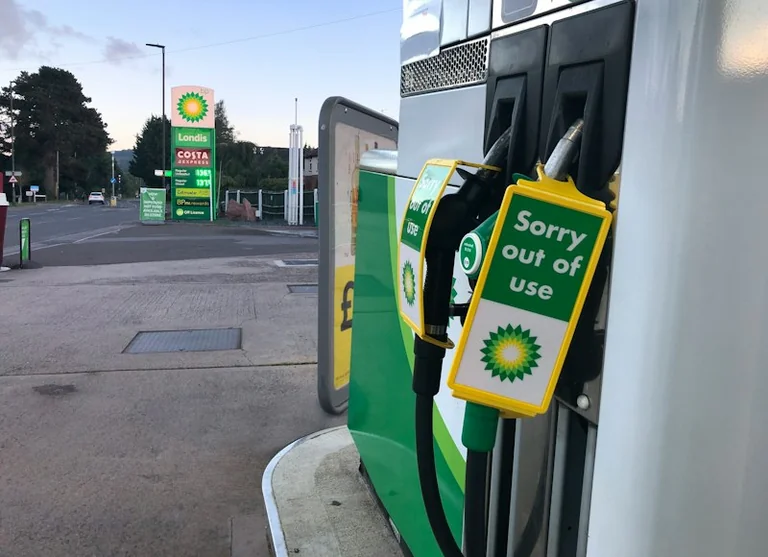
For an arithmetic example only, 45 litres at an assumed £1.50 per litre would cost £67.50. That £1.50 is not a reported UK average or a verified forecourt price. Replace it with the price displayed where you intend to refuel, and replace 45 litres with the amount you expect to buy.
Small differences can matter across a larger fill. A difference of 2p per litre changes the cost of 45 litres by 90p. For a more useful budget, estimate your likely litres from recent receipts rather than assuming every visit fills an empty tank. If you make several purchases in October, calculate each expected purchase and add them together.
Why nearby forecourts matter more to your budget
The national series is useful for comparing petrol and diesel over time, but it cannot tell you which local station offers the lowest price today. Check prices for the correct fuel grade at forecourts you can realistically use. Consider the extra distance needed to reach a cheaper pump: a modest saving on the fill may disappear if the detour uses additional fuel.
Before your next fill-up, note the local pump price, estimate the litres you need and multiply the two. The official weekly page can then provide context for whether the national petrol or diesel average has changed since the previous week.
Source: Department for Energy Security and Net Zero
Context & actions About this article
Source check Price data
The Department for Energy Security and Net Zero updated its weekly UK retail fuel-price series with figures for the week beginning 28 September 2026.
- Compare petrol with petrol and diesel with diesel across the weeks beginning 28 and 21 Sep...
- Use the price displayed at a local pump for a personal fill-up estimate.
- Treat the £1.50-per-litre calculation as an arithmetic example, not a reported price.
- Source
- Department for Energy Security and Net Zero: weekly road fuel prices
- Scope
- United Kingdom
- Updated
- 2026-10-09 08:24
Source check
Report a trust issue
Send a clear signal to community moderation if the source, facts or context need review.



Comments