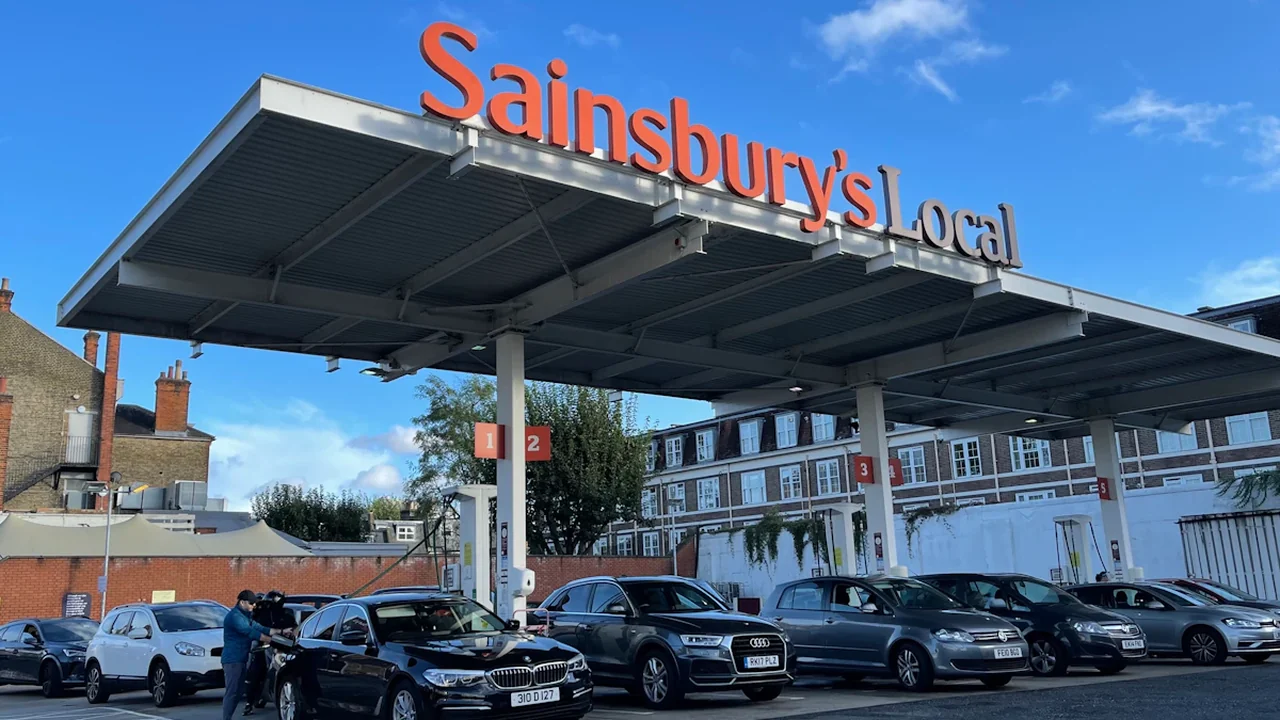
A lower pump price can cut the cost of a fill-up, but a long drive to reach it can wipe out the saving. UK drivers can compare nearby petrol and diesel prices using local listings, then check when each figure was updated and whether the extra journey makes sense for the amount they plan to buy.
Check prices near your route
Start with a fuel-price comparison service or map that shows forecourt prices around your home, workplace or planned route. Compare petrol with petrol and diesel with diesel, and note the station’s location as well as its displayed price. Prices can vary between nearby forecourts, so the cheapest result across a wide area may not be the cheapest practical choice.
The Department for Energy Security and Net Zero publishes official UK road fuel price statistics. Those figures provide national market context; they do not tell you the live price at a particular pump. The Competition and Markets Authority also publishes fuel price monitoring and information about the market. For a local purchase decision, use current forecourt-level information and check its timestamp before setting off. For additional context on national fuel price trends, compare those broader movements with the prices listed at nearby forecourts.
A useful comparison includes:
- The price per litre for the fuel your vehicle uses.
- The time and date the listing was last checked or updated.
- The distance and likely journey time from your normal route.
- Whether the station is open and accessible when you expect to arrive.
Work out whether the detour pays
The pump-price difference is only part of the calculation. Estimate the fuel used to drive to the cheaper station and back, including any extra distance caused by traffic, road layout or a return journey. Then compare that travel cost with the saving on the fuel you intend to buy.
For example, suppose one forecourt is 4 pence per litre cheaper and you plan to buy 40 litres. The maximum pump saving is £1.60: 40 litres multiplied by £0.04. If reaching it means a substantial detour, the extra fuel and time could exceed that amount. A small price gap is more likely to help when the cheaper station is already on your route or you are buying a larger quantity.
Your vehicle’s fuel efficiency affects the cost of the extra miles. A car that uses more fuel over the detour will consume more of the saving than a more efficient vehicle. You do not need a perfect calculation: compare the likely added distance with the size of the planned fill-up, and treat a marginal saving cautiously.
Match the calculation to the amount you will buy
The saving grows with the number of litres purchased. If the difference is 3 pence per litre, buying 20 litres saves at most 60 pence; buying 50 litres saves at most £1.50. These are pump-price savings before accounting for the journey.
Use this simple calculation:
Price difference per litre × litres you plan to buy = maximum pump saving.
Convert pence to pounds before multiplying. For instance, 5p is £0.05, so a 5p-per-litre gap on 30 litres gives a maximum saving of £1.50. If the detour would use fuel worth about that much, the trip offers little or no net saving. Your estimate will be approximate because driving conditions and vehicle efficiency vary.
It may be more practical to fill up at the lower-priced station when it is close to a regular journey, when you need a larger fill, or when the alternative route adds almost no distance. If you only need a few litres, a modest price gap rarely creates much room to absorb a special trip.
Check the timestamp and local context
A listed price is useful only if it is recent enough for your decision. Look for a timestamp or last-updated note, and check whether the listing identifies the forecourt and fuel type clearly. Prices can change, and a figure without a visible update time is harder to rely on.
Before leaving, check the station’s own current information where available. Also consider whether the listed price applies to the pump or payment method you will use, and whether the forecourt is open. Comparison listings can help narrow the options, but they may not show every change immediately.
National statistics answer a different question from local listings. The Department for Energy Security and Net Zero’s official collection is useful for understanding UK road fuel prices over time. It is not a live quote for your nearest station, and a national figure should not be treated as the price you will find locally.
A quick decision before you set off
- Find nearby prices for the correct fuel and note when each listing was updated.
- Compare stations along your usual route as well as those requiring a special trip.
- Multiply the price gap by the litres you expect to buy to find the maximum possible saving.
- Consider the extra distance, your vehicle’s efficiency and the time involved.
- Recheck the listing and station details before making a detour.
The most useful next check is the current timestamped price at a forecourt you can reach conveniently. If the gap is small, the station is far out of the way or you are buying only a little fuel, convenience may outweigh the potential saving.
Source: Department for Energy Security and Net Zero
Context & actions About this article
Source check Price-checking note
The Department for Energy Security and Net Zero publishes UK road fuel price statistics, while local decisions depend on recent forecourt prices and their update times.
- Compare the same fuel type at each forecourt.
- Check the listing timestamp before setting off.
- Allow for the extra distance and the litres you plan to buy.
- Source
- Department for Energy Security and Net Zero
- Scope
- United Kingdom
- Updated
- 2026-10-09 08:24
Source check
Report a trust issue
Send a clear signal to community moderation if the source, facts or context need review.
Comments