
By the GlobeBids editorial team | 27 September 2026
A pump that is 5p cheaper per litre saves £2.50 on a 50-litre fill. Whether that saving is worthwhile depends on how far you drive to reach it. Drivers comparing petrol or diesel prices should start with nearby forecourts, then use the Department for Energy Security and Net Zero’s weekly road fuel prices as a national benchmark.
Use the dated UK average as a benchmark
The government publishes weekly average prices for petrol and diesel. Its latest release is the place to find the publication date and the average for each fuel. Those figures provide national context; they are not prices that every driver can expect to pay. An individual forecourt may charge more or less, and its displayed price can change after a weekly release.
Check that you are comparing the same fuel. A petrol average is not a benchmark for a diesel pump, and a standard-grade price should not be compared with a premium-grade price. If a station lists its price in pence per litre, compare that number directly with other stations selling the fuel your car needs.
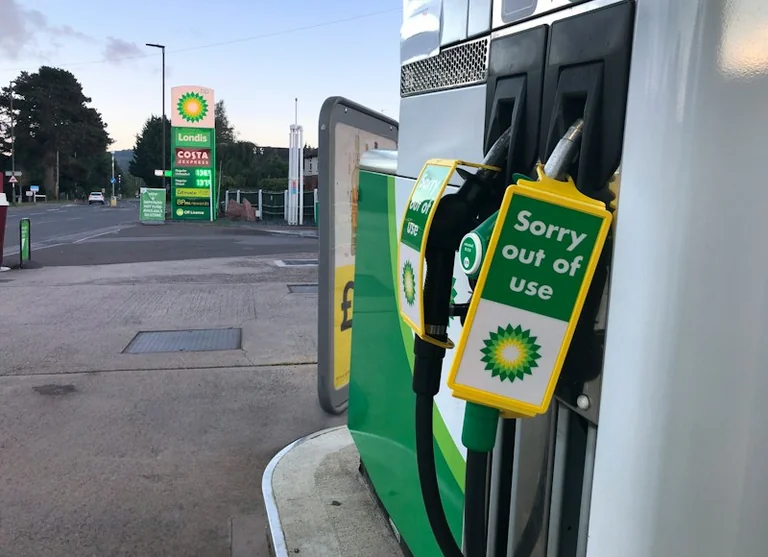
The publication date matters too. A weekly average describes the period covered by that release, while a pump sign shows the price available at that location when you see it. For a decision today, check the forecourt price before making a special trip.
What a price difference means for a fill-up
Here is an illustrative example, not a statement of current UK prices. Suppose one petrol station charges 145p per litre and another charges 140p per litre. If you buy 50 litres, the first fill costs £72.50 and the second costs £70.00. The cheaper pump saves £2.50.
The calculation is: price difference in pence per litre × litres bought ÷ 100. A 3p difference on the same 50-litre fill would save £1.50; a 10p difference would save £5.00. Your actual saving depends on how many litres you need, not the size of your tank. A driver buying 25 litres gets half the saving shown for 50 litres.
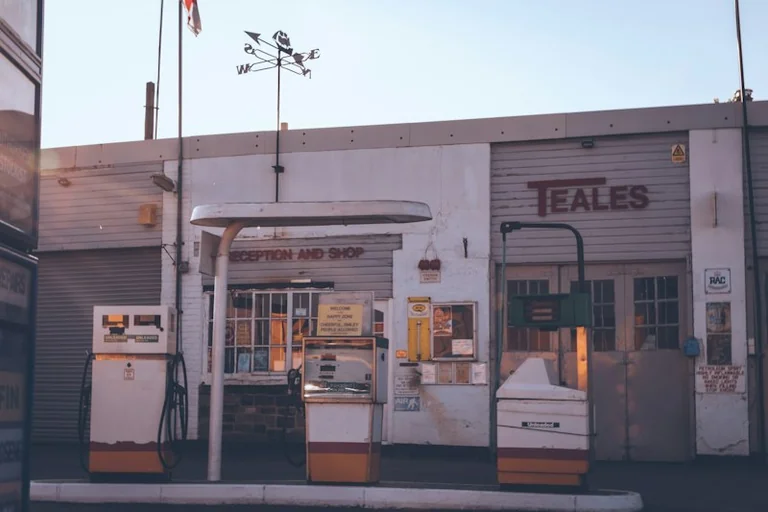
These examples compare fuel bought at the pump. They do not account for the fuel used to reach either station, a change in route, or time spent travelling and waiting.
Include the extra miles before making a detour
A lower price is most useful when the station is already on your route. If reaching it adds miles, estimate the fuel used on the extra round trip, rather than the full distance from home. Multiply those extra miles by your car’s approximate litres used per mile, then by the pump price per litre.
For example, illustrative figures of 10 extra miles and 40 miles per UK gallon mean roughly 1.14 litres used for the detour. At an illustrative £1.40 per litre, that fuel costs about £1.60. Against the £2.50 saving on a 50-litre fill, the net fuel saving is about 90p. Traffic, driving conditions and your car’s actual fuel use can change that result.
Before setting off, compare local prices for the correct fuel, work out the saving on the litres you expect to buy, and subtract the likely cost of any extra driving. Check the displayed pump price when you arrive: the national average helps put it in context, but the local price determines what you pay.
Source: Department for Energy Security and Net Zero
Context & actions About this article
Source check How to compare prices
UK weekly averages provide a national benchmark; the fill-up and detour figures shown here are examples, not current pump prices.
- Read the publication date beside the latest government petrol and diesel averages.
- Compare forecourt prices for the same fuel grade.
- Use the litres you expect to buy when calculating a saving.
- Count only the extra miles required to reach a cheaper station.
- Source
- Department for Energy Security and Net Zero: weekly road fuel prices
- Scope
- United Kingdom
- Updated
- 2026-09-27 09:20
Source check
Report a trust issue
Send a clear signal to community moderation if the source, facts or context need review.


Comments