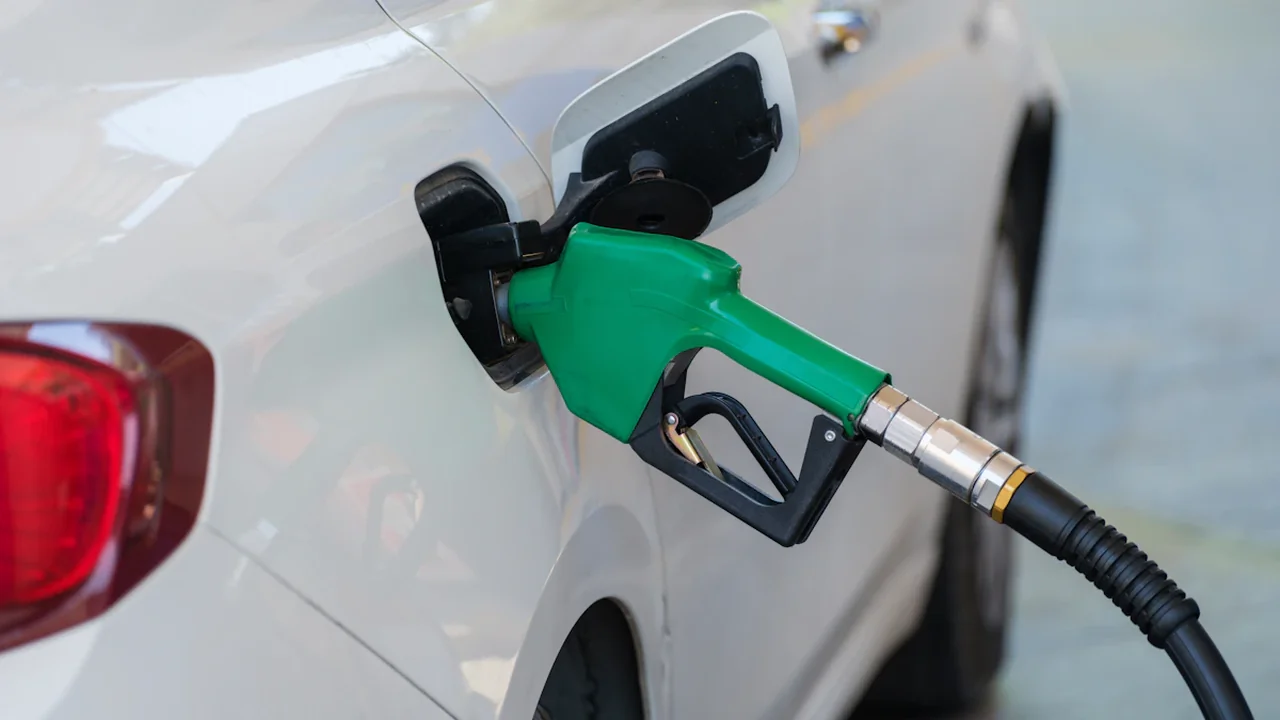
Small changes to how you plan and drive can reduce fuel use on ordinary UK journeys. Checking route length, keeping tyres correctly inflated, avoiding unnecessary weight and comparing nearby pump prices can all help household budgets, although the saving from each step depends on the vehicle, traffic and fuel price.
The RAC provides fuel-price information and guidance for UK motorists, while the UK Government has published material on transparency in road-fuel pricing. Neither source supports naming one station as the cheapest everywhere: pump prices vary by retailer, location and time.
Plan the shortest practical route before setting off
Distance is one of the clearest costs a driver can control. A longer route, repeated detour or unnecessary trip means the engine must use fuel for more miles. The difference may be modest on one journey, but it can add up when the same commute, school run or shopping trip is repeated every week.
Before leaving, check whether several errands can be combined. A single planned trip may use less fuel than returning home between stops. Navigation apps can help compare routes, but the shortest route is not always the cheapest if it involves severe congestion, steep hills or frequent stop-start driving.
A useful comparison is the total journey rather than the distance shown on a map. Consider delays, parking, roadworks and whether an apparently shorter route creates extra idling. Avoiding an unnecessary extra loop is usually more reliable than chasing a tiny difference between two similar routes.
Check tyre pressure when the tyres are cold
Under-inflated tyres increase rolling resistance, so the engine has to work harder to move the car. Correct tyre pressure can also support handling, braking and tyre wear. The recommended figures are normally listed in the vehicle handbook, on a label inside the driver’s door or near the fuel filler flap.
Check pressures when the tyres are cold and use the vehicle manufacturer’s recommended setting for the load being carried. Some cars have different figures for normal driving and a fully loaded vehicle. Do not rely on the number moulded into the tyre sidewall; that is generally a maximum tyre specification rather than the correct setting for the car.
Make tyre pressure part of a regular routine, especially before a long journey. A dashboard warning system can identify a pressure change, but it does not replace checking the actual pressures when required. Inspect the tyres for visible damage and unusual wear as well.
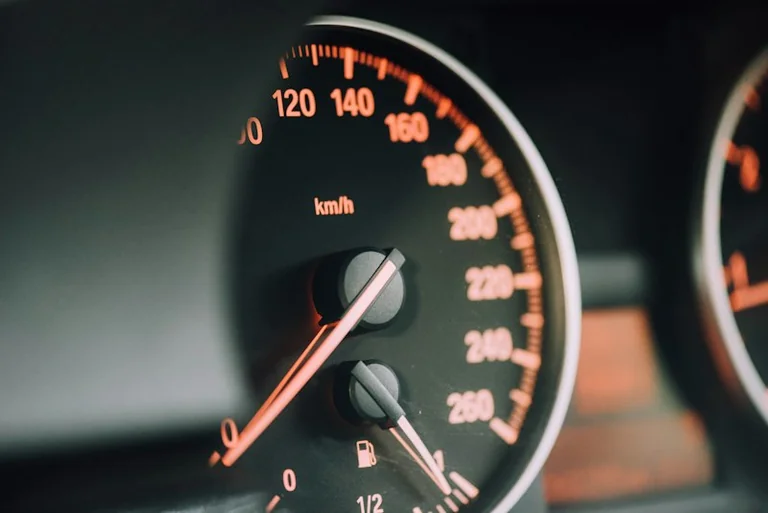
Remove heavy items that do not need to be in the car
Extra weight increases the energy needed to accelerate, particularly in urban traffic and on hills. A full boot, unused tools, sports equipment or other belongings may not make a dramatic difference on one short trip, but carrying them permanently can increase fuel use over time.
Clear out items that are not needed for the journey. Roof boxes and roof racks can also increase aerodynamic drag, even when they are empty. Remove them when they are no longer required, following the manufacturer’s instructions and ensuring that any load is secured safely.
The goal is not to remove essential safety equipment or compromise convenience. Keep only what is useful for the journey, and never carry a load in a way that blocks the driver’s view or could become dangerous during sudden braking.
Use smoother acceleration and anticipate traffic
Aggressive acceleration and late braking waste energy. Pulling away gently, allowing more space and looking further ahead can reduce repeated bursts of acceleration. If traffic is slowing, easing off earlier may avoid a complete stop and restart, provided it remains safe and does not obstruct other road users.
This does not mean driving unusually slowly or creating a hazard. Follow speed limits, maintain a safe gap and adapt to road conditions. Smooth driving is most useful where traffic, junctions and traffic lights create repeated changes of speed.
Cruise control may help on a steady road, but it is not suitable for every situation. On winding, hilly or busy roads, the driver should remain fully engaged and choose a speed appropriate to the conditions. Fuel-saving habits must always come after safe and legal driving.
Compare local pump prices before filling up
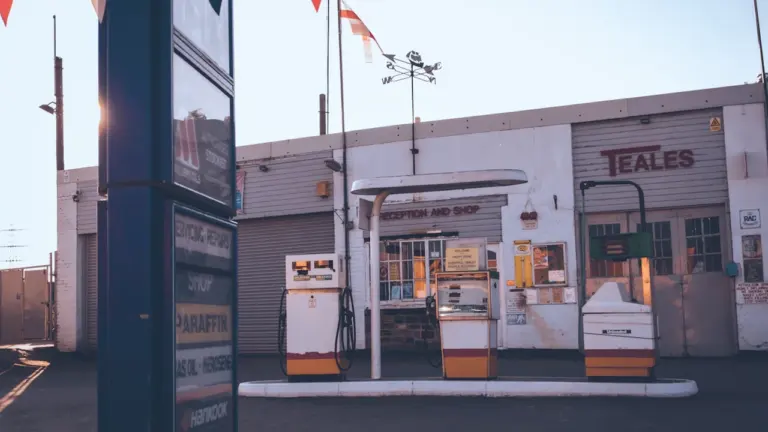
Fuel prices can differ between nearby retailers and locations. A motorway service area may be convenient but can have a different price from a supermarket, independent forecourt or station away from the main route. Checking current local information before filling up can help drivers avoid paying more simply because they stopped at the first available pump.

The RAC offers fuel-price information for UK motorists, and government work on road-fuel price transparency provides wider market context. Prices can change, data may not cover every station equally and the cheapest option is not always worth a long detour.
Compare the likely saving with the extra distance. Driving several miles to reach a lower-priced station can cancel out the benefit, especially if the tank only needs a small top-up. The practical choice is often a reasonably priced nearby station that does not require a separate journey.
Use a simple fuel-saving check before longer trips
For a regular journey, run through these checks:
- Is this the shortest practical route in current traffic?
- Can another errand be combined with the trip?
- Are the tyres set to the vehicle maker’s recommended pressure?
- Is the boot carrying anything unnecessary?
- Are roof racks or boxes still needed?
- Have nearby pump prices been checked before the tank becomes urgent?
- Will the planned stop require a detour that uses extra fuel?
Keep a note of fuel purchases if you want to see which changes make a difference. Comparing similar journeys is more useful than judging one tank in isolation, because traffic, weather, passengers and driving conditions can all affect consumption.
What can change the calculation
Fuel-saving advice cannot guarantee a fixed saving. A heavily loaded car, cold weather, traffic congestion, hills, tyre condition and vehicle maintenance all influence fuel use. Hybrid, petrol and diesel cars may respond differently to the same journey pattern, and electric vehicles have different energy-cost considerations.
Likewise, a current pump price is temporary. Retailer pricing, local competition and wholesale market conditions can change the result from one day to the next. Treat any price comparison as time-sensitive and check the relevant local information shortly before refuelling.
The most dependable approach is to combine several small decisions: avoid unnecessary miles, maintain the car properly, drive smoothly and compare realistic nearby prices. The next useful check is the current RAC fuel-price information for the area and the recommended tyre pressure shown for the vehicle.
Source: UK Government
Context & actions About this article
Source check How the guidance is grounded
The driving advice is based on common vehicle-efficiency principles, with UK pump-price context from government transparency material and RAC guidance.
- Compare current local prices before refuelling
- Use the vehicle manufacturer’s recommended tyre pressures
- Allow for route distance, traffic and detours
- Do not assume one retailer is cheapest everywhere
- Source
- UK Government road-fuel price transparency
- Scope
- United Kingdom
- Updated
- 2026-09-21 08:43
Source check
Report a trust issue
Send a clear signal to community moderation if the source, facts or context need review.


Comments