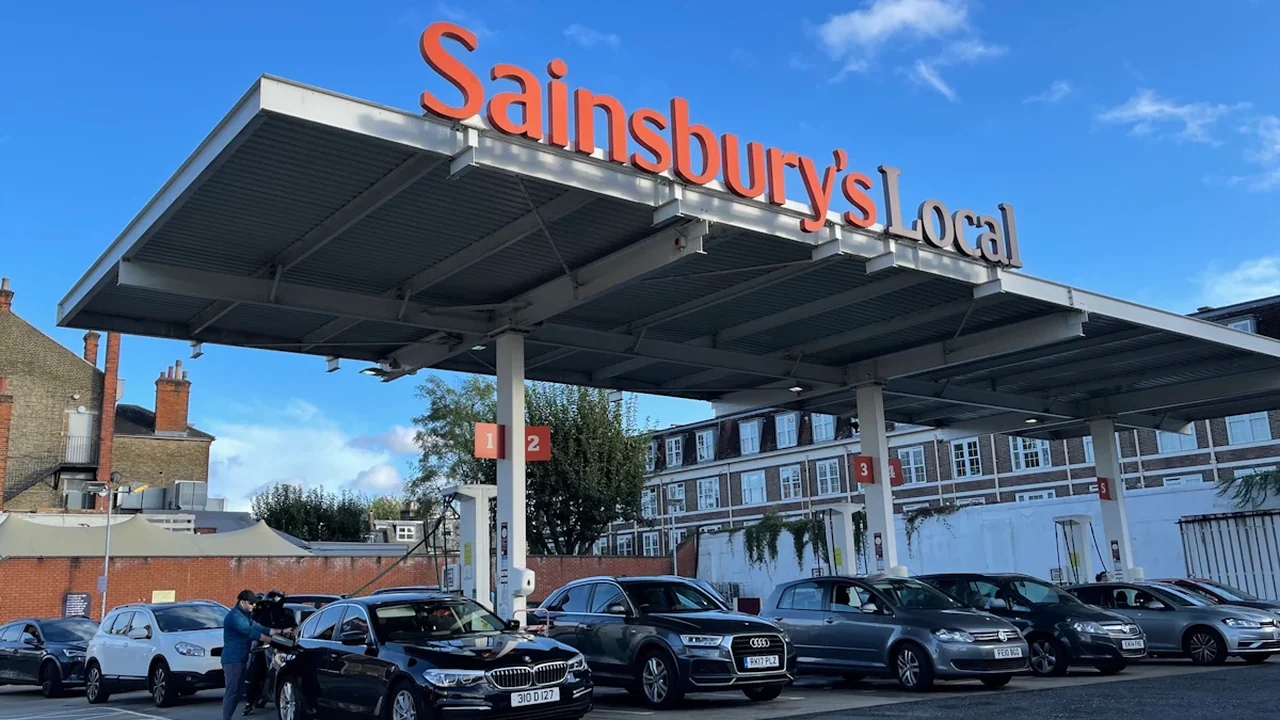
The price on the pump is the number that determines what you pay for an October journey. The UK government’s weekly petrol and diesel averages offer a useful benchmark, but a local forecourt may charge more or less. Check the latest reporting week, then use the price displayed where you plan to fill up to estimate your trip.
By the GlobeBids Editorial Team
Use the dated UK average as a benchmark
The Department for Energy Security and Net Zero publishes weekly UK average retail prices for petrol and diesel. Each release identifies the week its figures cover. Read that date alongside both averages: a figure for an earlier week is a comparison point, not a price promised at the pump today.
The supplied source information confirms the weekly series but does not include the figures or reporting date from its latest release. That means there is no verified current petrol or diesel average to quote here. Before comparing fuels for a trip, open the latest dated release and note its reporting week and the average for each fuel. If you also compare it with the previous week, take both figures from dated releases and identify both periods.
A national average describes prices across the UK. It cannot tell you the price at a particular forecourt or establish which stop on your route will be cheapest. The displayed local price is the better input for a personal journey estimate.
Calculate the fuel cost of a 100-mile trip
For a car measured in miles per gallon, divide the journey distance by its expected mpg to get gallons used. Multiply by 4.546 to convert imperial gallons to litres, then multiply by the forecourt price per litre.
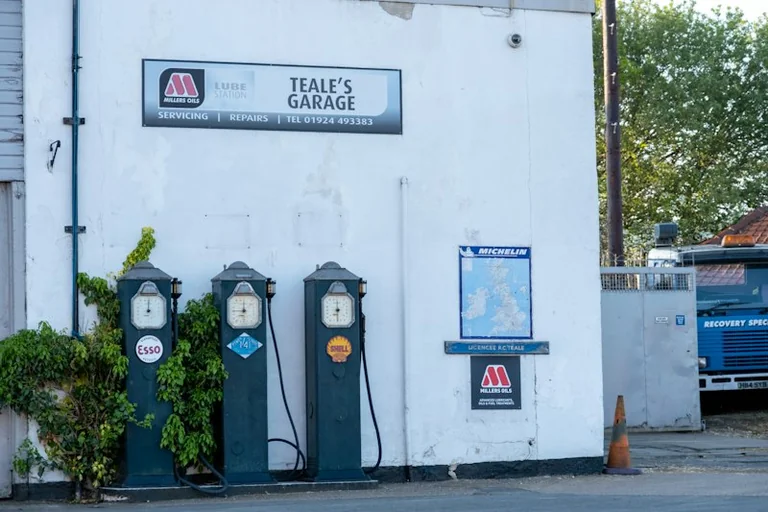
For example, suppose a petrol car achieves 45 mpg over a 100-mile trip and the chosen forecourt displays an illustrative price of 145p per litre. The calculation is 100 ÷ 45 × 4.546 = about 10.10 litres. At £1.45 per litre, the estimated fuel cost is £14.65.
The 145p figure is an example, not a current UK average or a reported local price. Replace it with the displayed price at the pump. Replace 45 mpg with a realistic figure for your own car and route. Motorway speed, traffic, weather, hills and a heavily loaded vehicle can all affect consumption, so the result is a planning estimate rather than a guaranteed bill.
If your car reports consumption in litres per 100 kilometres, divide the distance in kilometres by 100, multiply by that consumption figure, then multiply by the price per litre. Keep the distance and consumption units consistent.
Compare petrol and diesel for your own vehicle
The two government averages let you see the difference between typical UK petrol and diesel prices for the same reporting week. They do not, by themselves, show which vehicle will cost less to drive. A diesel car and a petrol car may use different amounts of fuel over the same distance.
To compare two vehicles, run the journey calculation separately for each one using its fuel consumption and the relevant displayed forecourt price. For a single vehicle, use only the fuel it requires. Before setting off, check the latest dated government release for context and the pump price at your intended stop for the cost estimate.
Source: UK Department for Energy Security and Net Zero
Context & actions About this article
Source check How the estimate works
The journey estimate uses stated example inputs; current UK averages should be checked against the latest dated government release.
- Identify the reporting week attached to the latest petrol and diesel averages.
- Use the price displayed at the chosen forecourt for a personal estimate.
- Match the vehicle’s consumption figure to the distance units used.
- Source
- Department for Energy Security and Net Zero weekly road fuel prices
- Scope
- United Kingdom
- Updated
- 2026-10-06 10:06
Source check
Report a trust issue
Send a clear signal to community moderation if the source, facts or context need review.



Comments