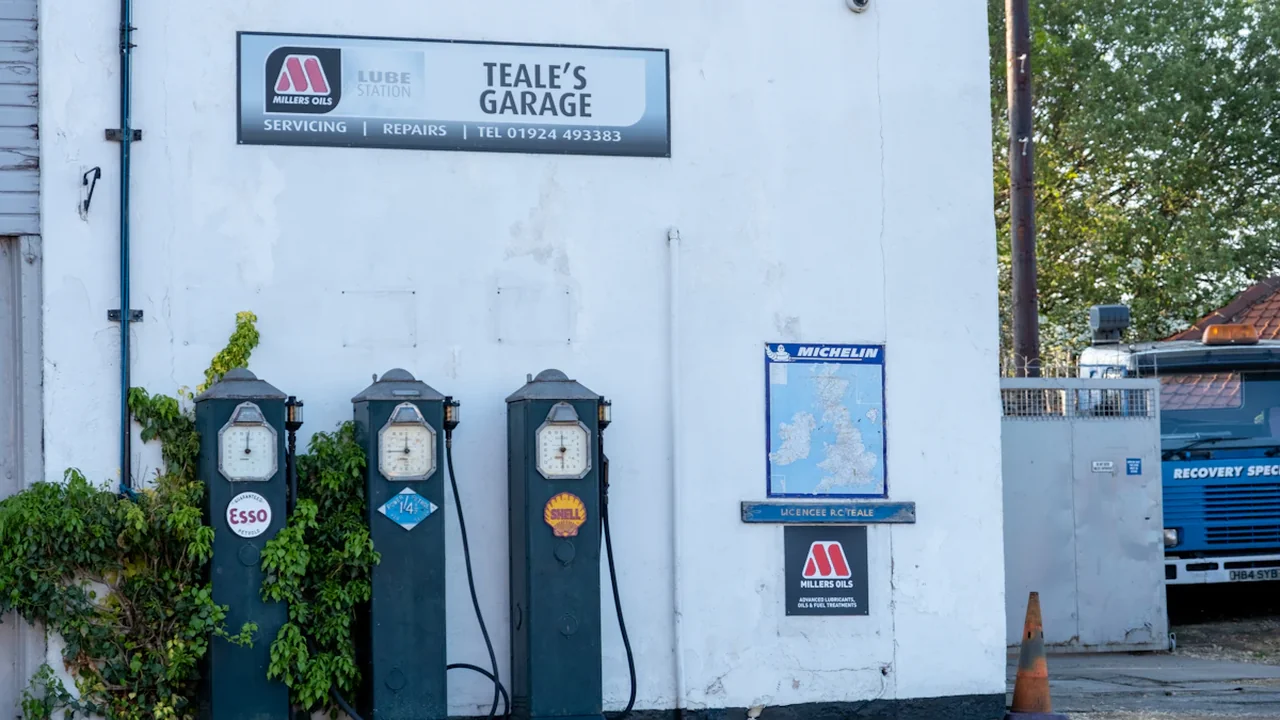
As of mid-September 2026, UK motorists are dealing with fuel prices that vary by location as global oil supply shifts interact with domestic distribution costs. For households managing transport budgets, the most useful comparison is not simply the national market direction: the station’s location, nearby competition and the cost of getting fuel there can materially affect the price displayed at the pump.
What is influencing pump prices
Recent analysis from the RAC says pump prices reflect a combination of international crude oil volatility and local supply-chain pressures. Global markets establish the underlying cost of refined fuel, but that does not translate into an identical price across every part of the UK.
Regional competition and the logistics of transporting fuel to different areas also influence the final price. This means a change in the wider market may not appear uniformly at every station, and a cheaper option may be available a short distance away. The RAC’s Fuel Watch coverage provides the source context for these current fuel-price trends.
Read also: How to Find the Cheapest Petrol Prices in Your Area
Why prices differ by location
| Location | Main price factor |
|---|---|
| Urban hubs | Stronger competition can lower station margins |
| Rural areas | Greater logistics costs can add a premium |
| Motorway services | Convenience and operating costs can push prices higher |
The comparison shows why motorists should treat broad market commentary as a guide rather than a guaranteed price for a particular forecourt. It does not establish a single price for all urban, rural or motorway locations, and it does not mean every station in one category will charge the same amount.
Ways to reduce your fuel spend
Before setting out, compare prices at nearby stations using mobile apps or online trackers. Checking first can help identify a cheaper option without relying on a general regional trend.
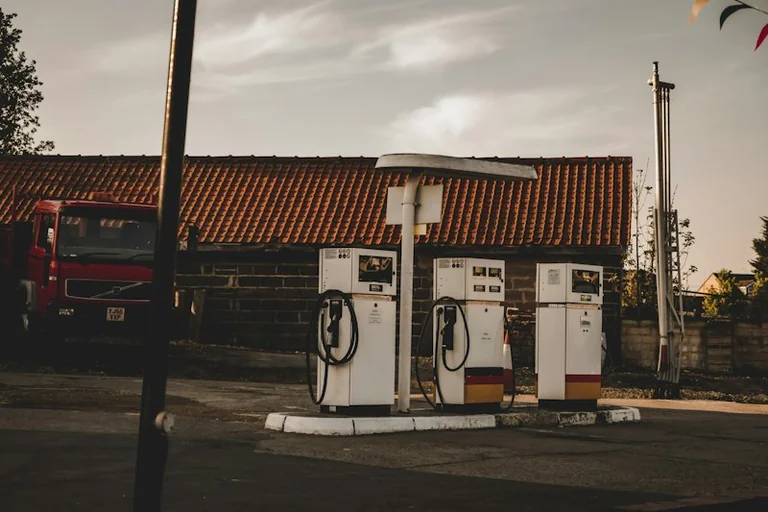
Where practical, avoid waiting until you reach a motorway service area to refuel. Supermarkets and independent stations away from major arterial routes may offer better value than paying for the convenience of a motorway stop, although the saving should be weighed against the distance involved.
Driving efficiently can also help offset higher pump prices. Maintaining steady speeds and ensuring tyres are correctly inflated are practical habits identified in the guidance. These steps affect the vehicle’s fuel economy, so their value is greatest when they are part of normal driving rather than a reason to make a separate journey.
Check the price before making a special trip
The RAC analysis is a snapshot of a fluctuating market, and local prices can change daily. A regional pattern therefore cannot confirm what a specific station will charge when you arrive. Check the current price at the station itself or through a reliable local tracker before diverting significantly or making a dedicated trip to fill up.
Source: RAC
Context & actions About this article
Source check Market Context
Data is based on regular monitoring of UK fuel market trends by the RAC.
- Check local petrol station signs
- Consult RAC Fuel Watch for latest national averages
- Source
- RAC
- Scope
- United Kingdom
- Updated
- 2026-09-18 09:04
Source check
Report a trust issue
Send a clear signal to community moderation if the source, facts or context need review.


Comments