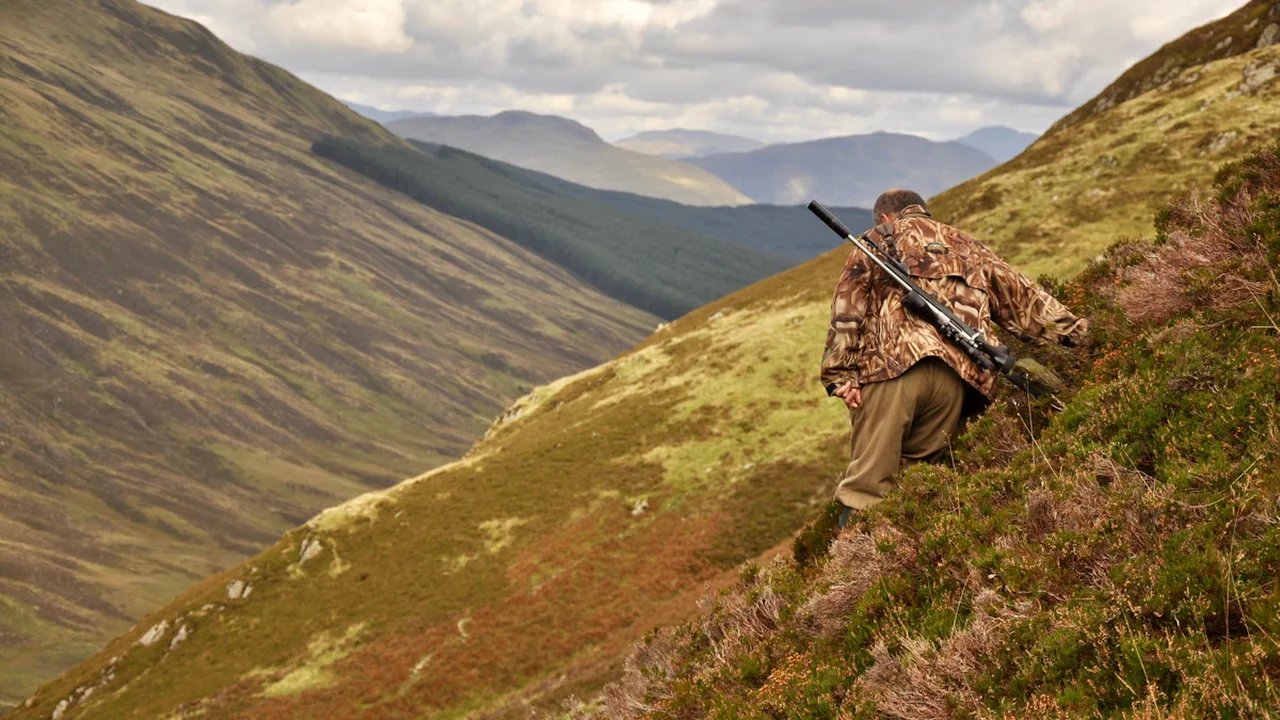
Each 12 August, references to the “Glorious Twelfth” return to British news and culture. The date traditionally opens the red grouse shooting season in Great Britain, bringing shooting parties onto managed upland estates. It is a cultural landmark rather than a complete statement of the law: regional close seasons differ, Sunday restrictions and customs can affect the opening day, and individual moors may not hold a shoot at all.
The date also draws attention to a much wider argument. Supporters associate grouse moor management with rural work, maintained heather habitat and active wildfire prevention. Critics question its effects on peat, predators and animal welfare. Understanding the tradition therefore requires looking beyond the calendar to the landscape created around it.
What the Glorious Twelfth means
The Glorious Twelfth is the traditional name for 12 August as the opening day of the red grouse season in Great Britain. Encyclopaedia Britannica describes it as the start of Britain’s grouse-shooting season, although the familiar phrase can obscure important legal and practical qualifications.
Red grouse are native upland birds closely associated with heather moorland. Unlike some gamebirds released for shooting, Britain’s red grouse population is wild. Its abundance varies with weather, disease, habitat conditions and breeding success, so estates do not necessarily shoot merely because the season has opened.
The principal distinctions are:
- 12 August is the traditional Great Britain opening date for red grouse.
- England, Wales and Scotland operate within their respective statutory frameworks, not custom alone.
- Northern Ireland has separate wildlife legislation and a shorter red grouse season.
- A Sunday opening can be displaced by legal restrictions or established practice.
- Poor grouse numbers, fire danger or estate decisions may prevent shooting on an otherwise lawful day.
Government guidance on hunting underscores the broader point that wildlife activities depend on the species, location and applicable legislation. The nickname itself creates no permission to shoot.
The law is not identical across the United Kingdom
In England and Wales, the red grouse season is conventionally stated as 12 August to 10 December, with the close season protecting birds during the rest of the year. Scotland shares the familiar August opening and December closing pattern, although its rules have developed through Scottish legislation rather than one single UK-wide statute.
Northern Ireland is different. Its wildlife rules provide a red grouse open season running from 12 August to 30 November, so the Great Britain closing date should not be applied automatically across the Irish Sea.
Sunday is another reason the phrase must be handled carefully. Restrictions on killing game on Sundays apply in parts of the UK, while Scottish practice has traditionally avoided Sunday grouse shooting even where the legal route is framed differently. Northern Ireland also has specific restrictions governing when protected game may be taken.
Consequently, when 12 August falls on a Sunday, reports may refer informally to a “Glorious Thirteenth,” with activity beginning on Monday. That expression describes the practical shift, not a newly created statutory season.
How Victorian estates turned a date into a social institution
Grouse shooting existed before the nineteenth century, but the Glorious Twelfth acquired much of its social prominence during the Victorian period. Expanding railways made remote upland estates easier to reach, while breech-loading shotguns and organised driven shooting changed the scale and style of the activity.
Landowners increasingly managed large areas to produce shootable numbers of grouse. The opening became part sporting fixture, part country-house ritual and part display of wealth and social connection. Newspapers helped make the date familiar even to people who would never visit a grouse moor.
The word “glorious” belongs to that inherited sporting vocabulary. It does not express a universal modern judgement. For some readers it evokes rural tradition; for others it represents privilege, intensive land use or the killing of animals for recreation.
Managed heather moorland shaped the tradition
Red grouse depend heavily on heather for food and cover. Grouse estates therefore developed management systems intended to maintain heather at different ages: younger growth offers food, while taller stands provide shelter and nesting habitat.

One characteristic technique is rotational burning, often called muirburn in Scotland. Small patches of older vegetation are burned under controlled conditions to encourage fresh growth and create a mosaic across the moor. Cutting can be used as an alternative or alongside burning.
Management may also include drainage repair, path maintenance, monitoring bird numbers, controlling parasites and legally controlling some predators. Gamekeepers undertake much of this work throughout the year, not only during the shooting season.
These practices have helped preserve extensive open heather landscapes in some places. Yet not every upland should be managed primarily for grouse, and not every moor uses the same methods. Soil depth, peat condition, altitude, rainfall and conservation designation all affect what is appropriate.
Peat, fire and wildlife sit at the centre of the modern dispute
Peatland and wildfire
Peat stores carbon and regulates water when it remains wet and intact. Critics of burning argue that repeated fire, especially on deep or degraded peat, can damage vegetation, expose soil, alter water flows and weaken carbon storage. They favour rewetting, restoring bog-forming plants and using cutting where vegetation removal is necessary.
Moor managers respond that carefully planned burns can reduce accumulated fuel and create firebreaks, helping crews contain severe wildfires. Opponents counter that healthy wet peat is itself more resistant to burning and that the effects of prescribed fire depend strongly on location, frequency and execution.
Both propositions can be true in particular settings. A controlled burn on dry heath is not equivalent to burning damaged blanket bog, while a small prescribed fire is not equivalent to an uncontrolled summer wildfire. Claims about “burning the moors” need those distinctions.
Conservation and predator control
Supporters say keepered moors can benefit some ground-nesting birds because habitat is maintained and foxes, crows and other predators are controlled. They also argue that shooting income gives estates a financial reason to retain heather rather than convert land to forestry or another use.
Critics focus on the ecological consequences of managing land to maximise one game species. Contentious issues include legal predator control, the condition of peatland and documented persecution of protected birds of prey. Killing a protected raptor is illegal; debate concerns enforcement and whether the grouse-shooting model creates damaging incentives.
The conservation result cannot be inferred from the label “grouse moor” alone. Outcomes depend on the estate’s conduct, the intensity of management and the species or ecosystem being measured.
Rural employment and animal welfare frame the human argument
Grouse shooting supports gamekeeping, hospitality, transport and seasonal work in some sparsely populated upland areas. Estates and shooting organisations present that spending as locally significant, particularly where alternative employment is limited.
The scale and distribution of those benefits remain disputed. Critics ask whether private shooting is the best use of land receiving public support or capable of delivering carbon storage, flood mitigation and broader recreation. Economic assessments can reach different conclusions depending on whether they count only direct jobs or also public costs and alternative land uses.
Animal-welfare objections are more fundamental. Opponents argue that shooting birds for sport causes avoidable suffering, including when wounded birds are not killed immediately. Supporters say lawful shoots impose standards for competent shooting, retrieval and dispatch, while managing grouse populations and habitat throughout the year.
The Glorious Twelfth survives because it is more than an old date. It connects law, land ownership, upland ecology, employment and competing ideas about humanity’s treatment of wildlife. On 12 August, the reliable question is not simply whether the season has opened, but where shooting is lawful, whether it is taking place and how the land has been managed to make it possible.
Source: Encyclopaedia Britannica
Context & actions About this article
Source check Sources and legal context
This explainer separates the traditional 12 August opening from regional legislation, Sunday restrictions and estate practice.
- Checked the traditional meaning of the Glorious Twelfth against Encyclopaedia Britannica.
- Distinguished Great Britain from Northern Ireland rather than presenting one UK-wide seaso...
- Treated shooting rules as species-specific and location-specific.
- Presented competing environmental, economic and animal-welfare arguments without endorsing...
- Source
- Encyclopaedia Britannica
- Scope
- United Kingdom
- Updated
- 2026-08-12 10:45
Source check
Report a trust issue
Send a clear signal to community moderation if the source, facts or context need review.



Comments