By the GlobeBids Evening Desk | Updated 18 August 2026
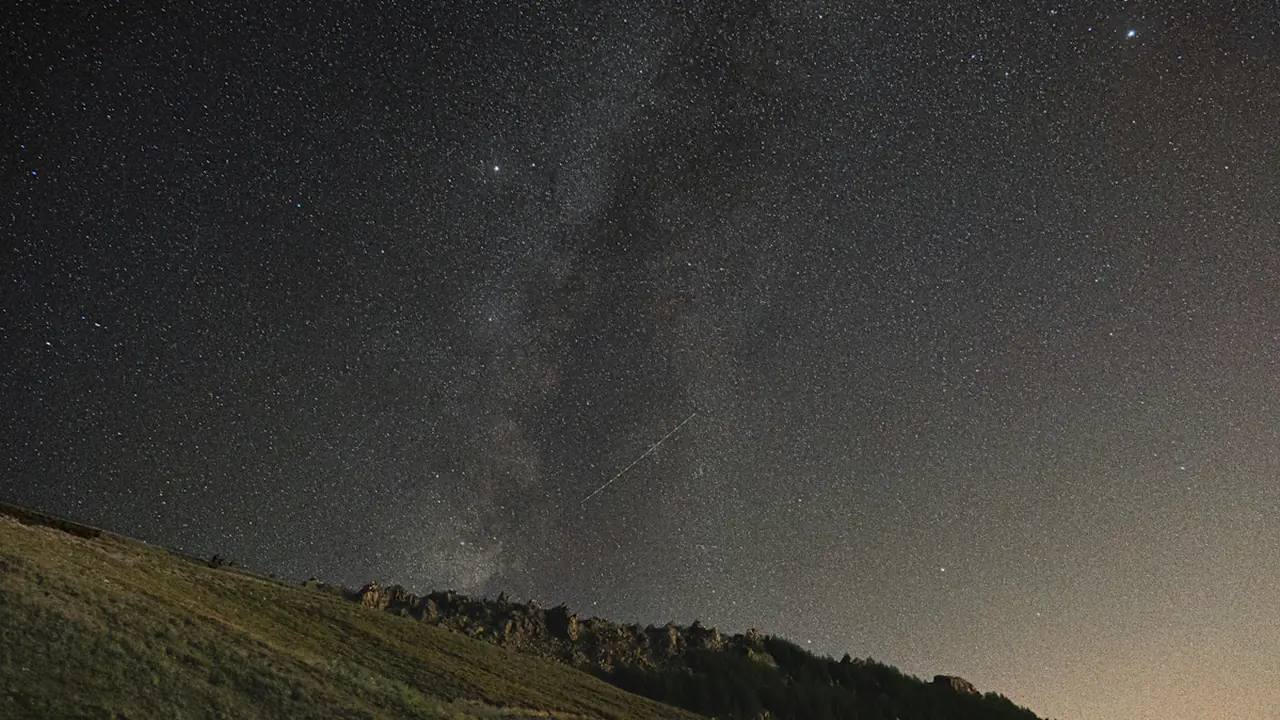
People under clear skies in the UK may still have a chance to see an occasional Perseid meteor tonight, 18 August, although the shower has passed its principal annual peak. Visibility is not guaranteed: local cloud, street lighting and moonlight will determine whether going outside is worthwhile.
The American Meteor Society meteor-shower calendar places the Perseids within a broader activity window that continues beyond the main August peak. That makes tonight a possible late viewing opportunity, but not a night for relying on peak-rate forecasts or expecting a particular number of meteors.
Decide whether tonight is worth the trip
Start with the forecast for your exact location rather than a broad UK summary. Conditions can differ substantially between regions and even between nearby towns, especially when cloud is broken or moving through during the evening.
Use the Met Office UK forecast to check the expected cloud cover, temperature, wind and chance of rain for the hours when you plan to be outside. Check again shortly before leaving because the useful question is not simply whether the day is described as clear, but whether there will be open sky during your viewing period.
A short session from a garden or nearby open space may be the better choice if cloud is intermittent. Travelling farther to escape light pollution makes more sense only when the local forecast suggests a reasonably sustained clear spell.
Consider these factors together:
- Extensive cloud can block the sky completely, regardless of how dark the location is.
- Broken cloud may leave brief viewing gaps, but patience will be necessary.
- Street lamps and illuminated buildings reduce the number of faint objects visible.
- Moonlight can brighten the sky, particularly when the Moon is above the horizon.
- Haze and moisture may scatter artificial light and make an urban sky look brighter.
Even with a favourable forecast, a late Perseid session may end without a sighting. The shower is past its peak, and meteor appearances are naturally irregular.
Choose a dark place with a broad view of the sky
The best practical location is a safe, legal place where buildings, trees and lighting do not obscure most of the sky. A private garden, an accessible public viewing area or an open rural site can work, provided access is permitted and the ground is safe after dark.
You do not need to identify one narrow point in the sky. Meteors can cross different parts of the visible sky, so a broad view is more useful than staring toward a single constellation. Face the darkest open area available and look well above the horizon, away from direct lamps and the Moon where possible.
Urban viewers should use nearby structures carefully to block the glare from individual lights without losing too much sky. Standing in the shadow of a wall may improve comfort, but do not enter restricted areas or choose an isolated place solely because it appears darker.
If the only available location is brightly lit, expectations should remain modest. Brighter meteors may still be noticeable, while fainter streaks are more likely to be lost against the illuminated sky.
Watch with your eyes rather than a telescope
No telescope or binoculars are required. Both instruments show a relatively small section of the sky, while meteor watching benefits from the widest possible field of view.
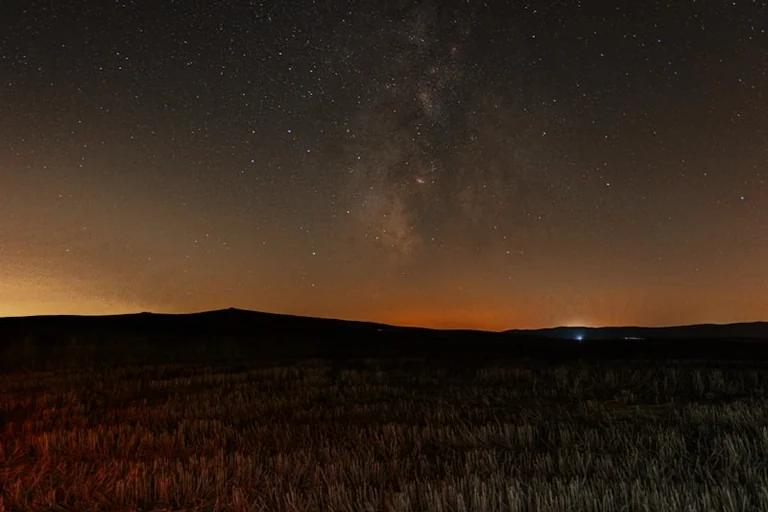
Give your eyes at least 20 minutes to become accustomed to the darkness. Avoid looking at a bright phone screen during that period. If a phone is needed for navigation, timing or safety, reduce its brightness and use a red-screen or night setting if available.
A simple viewing routine is enough:
- Check the latest local cloud and rain forecast before leaving.
- Settle somewhere with a wide, unobstructed view and minimal direct lighting.
- Sit or recline so that you can scan a large area without straining your neck.
- Allow your eyes time to adjust before judging the quality of the sky.
- Watch patiently with the naked eye, moving your gaze slowly across the darker areas.
- Leave if cloud closes in, the weather deteriorates or the location feels unsafe.
Plan for a relaxed session rather than continuous activity. Meteors can appear without warning and may be separated by quiet periods. A chair, ground mat or blanket can make waiting more comfortable, but ensure it does not create a trip hazard.
Reduce the effect of light pollution
Moving a short distance away from concentrated street lighting can improve the view, but darkness should never take priority over safe access. A familiar park with permitted nighttime entry may be a better option than an unfamiliar rural verge.
At home, switch off unnecessary outdoor lights and choose the side of the property shielded from nearby lamps. Give your eyes time to adjust after stepping outside; repeatedly returning to a brightly lit room will reset that process.
Do not use a bright torch around other observers. A dim red light is less disruptive, although a brighter light should still be available for walking safely, checking the ground and returning to a vehicle.
Make nighttime safety part of the plan
Obtain the landowner’s permission before entering private fields, tracks or farmland. Public access during the day does not always mean that a site is open or suitable after dark, so check local rules and closing times.
Never stop on a road, in a live traffic lane or on an unsafe verge to watch the sky. Use a proper parking place and remain visible to drivers when walking near any roadway. Avoid cliff edges, riverbanks, unstable ground, construction areas and fields containing livestock.
Bring warm layers even if the daytime temperature was comfortable. People cool down quickly when sitting still, and exposed sites can feel colder in a breeze. Suitable footwear, a charged phone and a small drink are sensible additions.
If visiting a remote location, tell someone where you are going and when you expect to return. Travelling with another person can also make the session safer. Families should select a familiar site with secure footing, toilets or easy transport where needed, and a viewing period appropriate for children.
The final check should be the local forecast immediately before departure. If cloud, rain or access concerns make the outing impractical, watching from home or waiting for another clear night is the more realistic choice.
Source: American Meteor Society
Context & actions About this article
Source check Viewing information
This guide combines the Perseids' wider activity period with practical advice to check current local UK weather before travelling.
- The American Meteor Society calendar shows Perseid activity continuing after the principal...
- The Met Office provides location-based forecasts for checking evening cloud and rain.
- No meteor count or sighting is guaranteed.
- Local access, lighting and nighttime safety should be assessed before departure.
- Source
- American Meteor Society meteor-shower calendar
- Scope
- United Kingdom
- Updated
- 2026-08-18 17:17
Source check
Report a trust issue
Send a clear signal to community moderation if the source, facts or context need review.

Comments