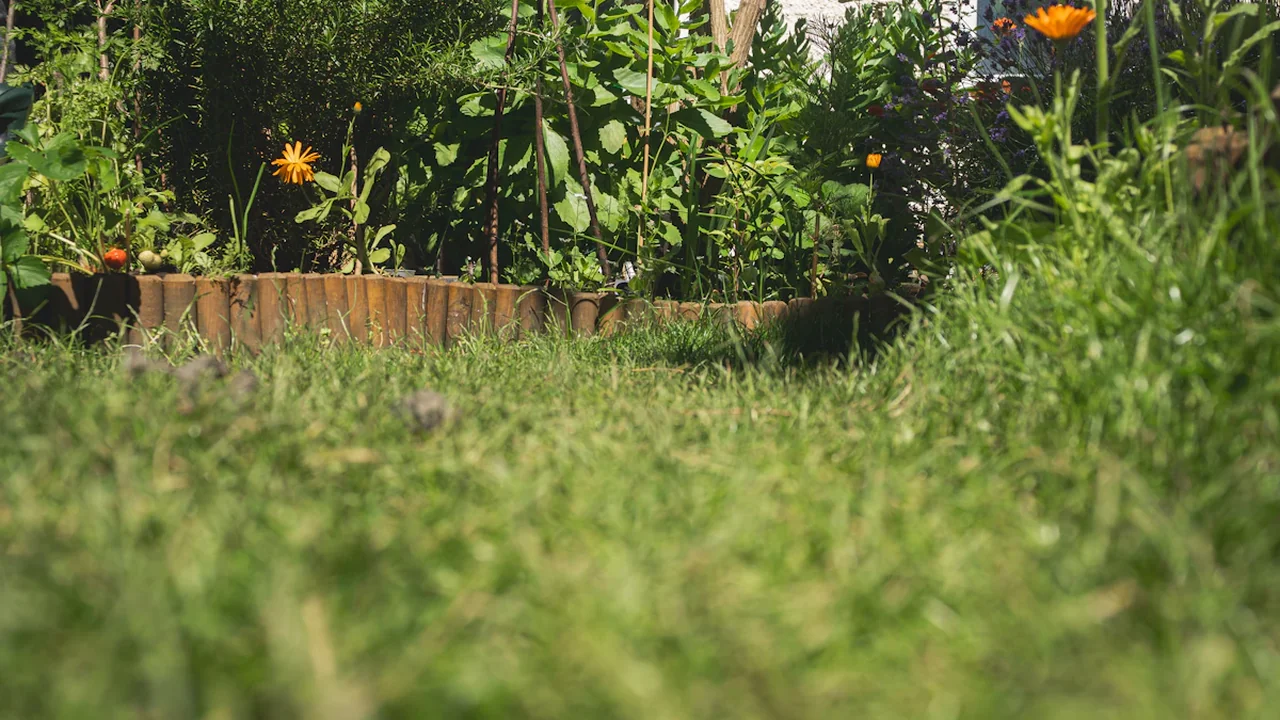
Wet autumn weather can leave UK gardens with waterlogged beds, damaged containers and tender plants caught by the first frost. A few low-cost jobs can reduce those risks: clear accessible drainage routes, lift pots off the ground, protect plants that cannot tolerate cold and use mulch where it will help the soil. Start with the places where water already collects rather than buying products for every part of the garden.
By GlobeBids Gardening Desk
Spend a weekend on the jobs that prevent the most damage
Walk around the garden during or shortly after rain. Note overflowing gutters, blocked gullies, puddles that remain for a day or more, and pots sitting in water. This quick check shows where a small repair or change of position may matter more than a bag of new supplies.
A practical weekend list is:
- Remove leaves from ground-level drains and accessible gutter outlets. Arrange safe help for anything that requires working at height.
- Sweep paths so leaves cannot wash into gullies. Add sound leaves to a compost heap or set them aside for leaf mould.
- Check that every outdoor pot has open drainage holes, then raise vulnerable pots slightly on stable feet or bricks.
- Move tender container plants closer to shelter before frost is forecast.
- Mulch bare soil around established plants, leaving a gap around stems and trunks.
You can do these jobs in stages. If rain is imminent, deal first with an overflowing downpipe or a drain that is already backing up. Save cosmetic tidying and new planting for a drier day.
Clear gutters and drains without taking unnecessary risks
Gutters that spill over can soak the ground beside a house or shed and send excess water across beds or paths. From ground level, look for a steady flow at the downpipe outlet during rain. Remove leaves from a reachable gully and check that water can enter it freely. If the blockage is in a high gutter or downpipe, use a suitably equipped professional rather than climbing an unsafe ladder.
A water butt can save water for later, but its overflow still needs somewhere suitable to go. Check its connection and make sure the outlet does not pour against a wall or onto a neighbour’s property. Renters can photograph a persistent overflow or blocked building drain and report it to the landlord or managing agent; clearing loose leaves at ground level may be enough to help in the meantime.
Help wet soil drain before adding anything to it
Waterlogged soil has little room for air around roots. Keep off beds when the ground is saturated: walking or digging can compact it and make drainage worse. Redirect regular foot traffic onto an existing path or a temporary board until the soil is workable again.

For beds that become sticky and puddled, add a layer of garden compost or well-rotted organic matter to the surface when conditions allow. Soil organisms will draw it down over time. On heavy clay, a small amount of grit mixed into a planting hole is unlikely to fix a wider drainage problem; improving soil structure across the bed is the more useful long-term task. Avoid digging a deep hole in clay and filling it with loose compost, as it can hold water around roots.
If one patch repeatedly floods, first check whether a blocked drain, roof runoff or a compacted path is feeding it. Move plants that dislike wet roots to a raised spot or a container with drainage holes. Any new drain, soakaway or change that sends water beyond your boundary needs more thought than a quick autumn tidy, particularly in a rented garden.
Keep containers above standing water and secure in wind
A pot needs open holes at its base so excess rain can escape. Clear holes blocked by roots or debris, remove saucers that fill with water, and place pots on stable feet, bricks or a suitable stand. There is no need to buy decorative pot feet if materials you already have can hold the pot level without blocking its outlet.
Do not rely on a layer of gravel at the bottom of a pot to compensate for missing drainage holes. Use a container that drains, with potting compost suited to the plant. Check whether old compost is still loose and healthy before replacing it; a whole new bag is unnecessary just because autumn has arrived. Remove rotting leaves from the surface, but leave sound plants largely undisturbed.
Group smaller pots where they get some shelter, without packing them so tightly that air cannot circulate. Put tall, top-heavy containers on the ground or another secure surface before windy weather. If a pot is too heavy to move safely, stabilise its position and focus on keeping its drainage clear.
Protect tender plants before frost arrives
Identify the plants in your garden that need frost protection. Pelargoniums and other tender container plants can be moved to a bright, frost-free place before a cold night, provided the space is suitable for them. Water sparingly while growth slows, checking the compost rather than following a fixed schedule. A dark, warm room is not a good substitute for appropriate winter conditions.
Some gardeners lift dahlia tubers after frost has blackened the foliage, then dry and store them in a frost-free place. In milder, free-draining gardens, leaving dahlias in the ground under a generous mulch may work, but wet soil increases the risk of rot. Choose according to your conditions and the space you have for storage; lifting every plant is not automatically the cheaper or safer option.

Before buying fleece or a small greenhouse, see whether an existing porch, shed window or sheltered wall meets the plant’s needs. Keep protection from blowing away, and uncover plants when appropriate so moisture does not remain trapped around them.
Choose compost and mulch for a specific job
Potting compost and garden mulch do different things. Use a suitable, preferably peat-free, potting mix when repotting containers; use mature homemade compost, leaf mould or another appropriate organic material on beds. Spread mulch over damp soil to help protect its surface, but do not pile it against stems or tree trunks, where prolonged moisture can cause problems.
Autumn leaves are a free resource if they are free of disease and litter. Compost them or collect them for leaf mould rather than buying mulch immediately. Shredding large leaves or mixing them with other compost ingredients can help them break down. Keep a few leaves in suitable borders for wildlife while clearing the ones that make paths slippery or block drains.
Buy only for a gap you can name: a frost-free place for a tender plant, a container that actually drains, or enough mulch for an exposed bed. Measuring the bed or checking pot sizes before shopping helps prevent half-used bags and unsuitable products.
Make a small balcony or rented garden ready for rain
On a balcony, the priorities are secure pots, clear outlets and manageable weight. Make sure runoff can reach the balcony drain without carrying loose compost into it. Raise containers enough for water to escape, but keep them stable and away from edges where wind could dislodge them. Check any building rules and weight limits before adding large planters or water-filled containers.
Renters can make useful reversible changes: move pots, clear accessible surface debris, add a modest layer of mulch and protect tender plants indoors where suitable. Report leaks, overflowing gutters and persistent standing water promptly rather than altering building drainage yourself. After the next sustained rain, revisit the spots you noted on your first walk around; the result will show whether a simple fix worked or the problem needs the property owner’s attention.
Source: Editorial research
Context & actions About this article
Source check How to use this guide
These steps are intended for typical UK gardens; check your soil, exposure and building arrangements before changing drainage or moving tender plants.
- Watch where water collects during and after sustained rain.
- Check pot drainage holes and the stability of container supports.
- Check the needs of each tender plant before choosing winter storage.
- Scope
- United Kingdom
- Updated
- 2026-09-25 10:14
Source check
Report a trust issue
Send a clear signal to community moderation if the source, facts or context need review.



Comments