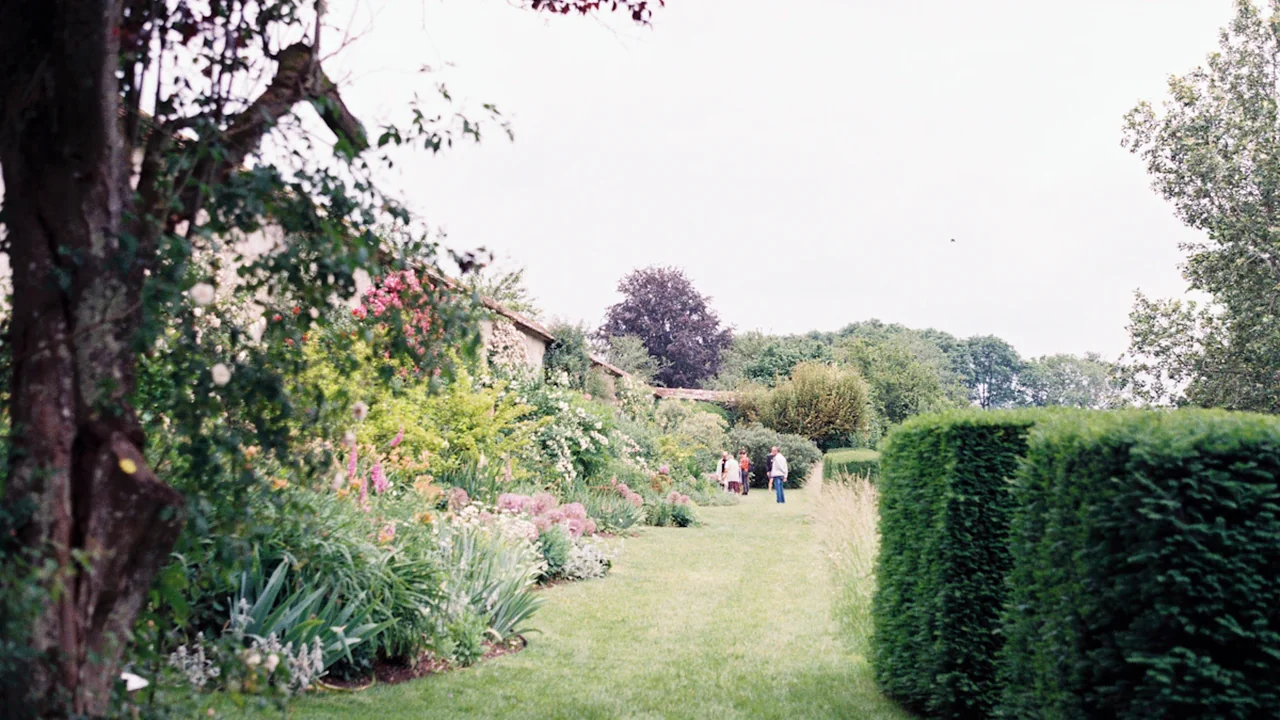
Late August can bring abrupt changes to UK gardens, with warm afternoons followed by cooler nights or heavy rain. Perennials, lawns, autumn planting areas and tender crops all need attention now. Prioritise deadheading, soil preparation and measured watering, while watching local forecasts for the first unusually cool nights.
By the GlobeBids Garden Desk | Updated 21 August 2026
The Royal Horticultural Society identifies late August as an important period for garden maintenance and planning ahead for autumn planting. The aim is not to put the entire garden to bed early, but to keep productive plants healthy while preparing selected areas for the next season.
Complete these late August jobs first
Start with a short inspection after a dry morning, when plants are easier to handle and signs of damage are more visible. Look for spent flowers, collapsed stems, dry containers, waterlogged soil and crops that may struggle if nights suddenly cool.
Your priority checklist is:
- Deadhead repeat-flowering perennials and bedding plants.
- Leave useful seed heads where flowers have finished for the year.
- Clear weeds from planned autumn bulb beds.
- Check drainage before adding compost or planting bulbs.
- Harvest tender crops regularly and remove damaged produce.
- Prepare fleece, cloches or other covers before a cool night arrives.
- Adjust lawn mowing and watering to the weather rather than the calendar.
Avoid trying to complete every autumn task at once. Plants are still actively growing in many parts of the UK, and a warm spell can continue into September.
Deadhead perennials without removing valuable seed heads
Deadheading directs attention to plants that can still produce flowers. Use clean secateurs or snips to remove fading blooms from repeat-flowering perennials, cutting back to a healthy leaf, side shoot or emerging bud rather than leaving bare stalks.
Plants with more buds may respond with another flush of flowers if conditions remain mild. Remove diseased or badly damaged material from the garden instead of placing it in an open compost heap.
Do not treat every fading flower in the same way. Seed heads can provide structure, food for wildlife and opportunities for self-seeding. Leave selected heads on plants that have completed flowering for the season, particularly where they remain upright and healthy.

A practical approach is to divide plants into three groups:
- Still producing buds: deadhead regularly and continue normal care.
- Finished but healthy: retain attractive or wildlife-friendly seed heads.
- Diseased or collapsing: cut away affected growth and dispose of it appropriately.
Clean cutting tools between visibly unhealthy plants. This simple precaution reduces the chance of carrying problems from one part of the border to another.
Prepare autumn bulb soil before planting begins
Late August is a useful time to prepare planting areas, even when the bulbs themselves will go in later. Remove perennial weeds carefully, loosen compacted ground and check how quickly water drains after rain.
Most bulbs perform poorly in persistently wet soil. If a prospective bed remains saturated long after surrounding ground has drained, improve its structure with suitable organic matter or select a better-drained position. Do not assume that adding a thick layer of material will correct a serious drainage problem.
Work only when the soil is moist and crumbly. Digging heavy clay while it is waterlogged can compress it further, while cultivating very dry soil may create hard clods. Apply well-rotted compost across the surface and incorporate it gently where needed, avoiding damage to established roots.
Before planting, check the requirements for each bulb variety. Planting depth, spacing, preferred light and ideal timing can differ, so retain packaging or make a simple planting plan. Mark areas containing dormant perennials to avoid disturbing them later.
Protect tender crops from cooler nights
Tomatoes, courgettes, cucumbers, peppers, aubergines and other tender crops may continue producing during warm late-summer weather, but cool nights can slow ripening and increase stress. Conditions vary considerably between exposed rural plots, sheltered urban gardens and coastal locations.
Check a reliable local forecast each evening. If unusually low overnight temperatures are expected, place horticultural fleece or a ventilated cloche over vulnerable plants before dusk. Secure covers against wind without crushing foliage, and remove or open them the next morning as temperatures rise.
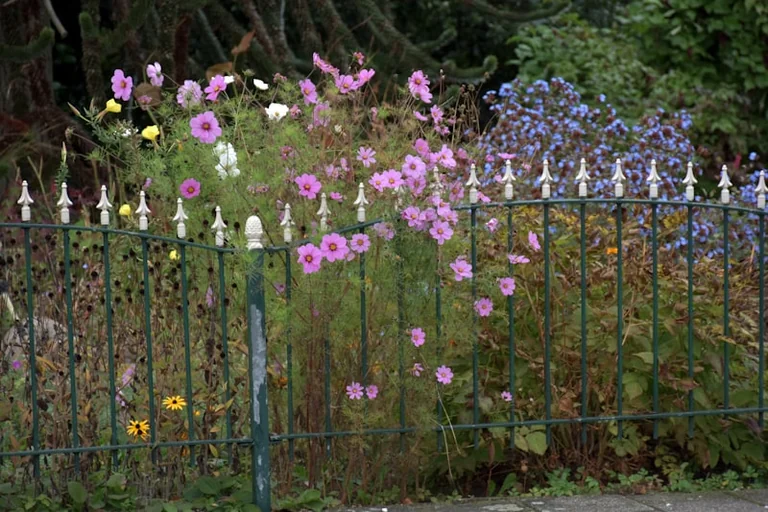
Never allow plastic sheeting to rest directly against leaves. It can trap excessive moisture, restrict ventilation and create cold contact points. In greenhouses, close doors before temperatures fall, but restore airflow during warm daylight hours.
Harvest ripe produce frequently. Remove split, rotting or blight-affected fruit promptly, and avoid leaving dense foliage wet overnight. Water at soil level early in the day so leaves and greenhouse surfaces have time to dry.
Follow a weather-led lawn and watering schedule
A fixed routine is unreliable when August alternates between heat and intense rainfall. Use this schedule as a decision guide rather than an instruction to water or mow regardless of conditions.
| Late August period | Lawn care | Borders and crops | Weather adjustment |
|---|---|---|---|
| 21–23 August | Mow only if grass is actively growing; keep the cut slightly higher in dry weather | Check containers and young plants daily | Skip mowing when grass or soil is saturated |
| 24–27 August | Rake up dense clippings and inspect compacted areas | Water deeply at the root zone when soil is genuinely dry | Pause irrigation after substantial rain |
| 28–31 August | Reduce mowing frequency as growth slows | Check tender crops and prepare overnight protection | Remove standing water and reopen covers after cool nights |
| Early September | Review worn patches before deciding on repair work | Begin planting only when conditions suit the chosen bulbs | Delay soil work if beds are waterlogged |
Test moisture below the surface before watering. Push a finger several centimetres into container compost or use a hand trowel to inspect border soil. A dry surface does not always mean the root zone is dry.
When watering is necessary, give established plants a thorough soak less frequently rather than applying a light daily sprinkle. Containers, newly planted specimens and shallow-rooted crops may need more frequent checks. Water early in the morning where possible, directing it towards the soil rather than foliage.
After heavy rainfall, empty water from saucers and check pots for blocked drainage holes. Stay off saturated lawns because foot traffic and machinery can compact wet soil and damage the grass surface.
Make the garden ready for the next forecast change
Keep fleece, ties, supports and clean cutting tools together so that plants can be protected quickly. Record which beds drain slowly, which containers dry first and where cold air appears to settle overnight; these observations make future planting decisions more reliable.
The most useful next check is the local seven-day forecast, especially predicted overnight lows and rainfall totals. If warmth persists, continue harvesting, deadheading and watering according to need. If nights cool sharply, protect tender crops first and postpone disruptive soil work until conditions improve.
Source: Royal Horticultural Society
Context & actions About this article
Source check Seasonal guidance
This practical guide combines seasonal garden tasks with weather-led precautions for changing UK conditions.
- Check the local seven-day forecast before covering tender crops.
- Test soil moisture below the surface before watering.
- Confirm planting instructions for each autumn bulb variety.
- Adjust mowing to grass growth and ground conditions.
- Source
- Royal Horticultural Society
- Scope
- United Kingdom
- Updated
- 2026-08-21 13:20
Source check
Report a trust issue
Send a clear signal to community moderation if the source, facts or context need review.



Comments