By GlobeBids Travel Desk
Published: 13 August 2026
UK passport holders planning an autumn 2026 trip to Europe should check their passport dates, destination entry rules and carrier requirements before booking. The basic preparation is familiar, but border systems including the EU Entry/Exit System (EES) and ETIAS can have changing implementation details, so the rule for your exact country, route and departure date matters more than a general checklist.
This guide is most useful for UK travellers flying to Schengen destinations, driving through France or another EU country, or changing planes at an EU airport. Ireland has separate arrangements, while non-Schengen EU destinations and overseas territories can apply different rules.
Start with the country where you enter the Schengen area
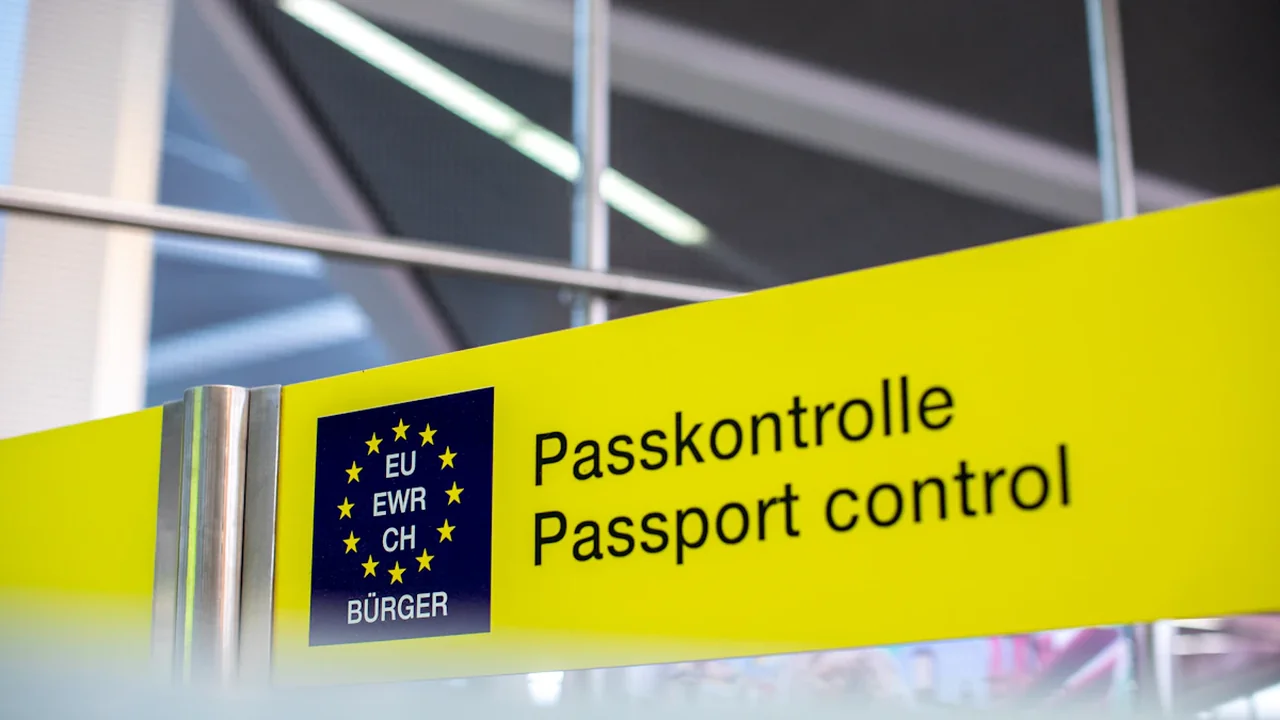
For a straightforward UK-to-Schengen trip, your first border check may be in the country where you land or where you make an onward connection. A traveller flying from Manchester to Paris and then continuing to Italy, for example, normally enters the Schengen area in France. That is the point where border staff and airline document checks can matter most.
For many visits to the Schengen area, a UK passport should normally:
- have been issued less than 10 years before the date of entry;
- remain valid for at least three months after the date you plan to leave the Schengen area;
- be undamaged and have enough space for any required border processing.
Do not assume that a passport valid on the day of departure is enough. The date it was issued can be as important as its expiry date, especially if it contains extra months added under older UK passport rules.
Check the entry page for every country on your itinerary, including transit countries and places where you plan to leave the Schengen area. Use GOV.UK foreign travel advice to select the destination, then read its entry requirements before paying for non-refundable travel.
EES and ETIAS: treat timing and route details as live checks
The European Union is introducing digital travel systems that can change the experience at external Schengen borders. The European Commission travel portal is the best starting point for the current EU explanation of border and travel systems.
Entry/Exit System
EES is intended to record entries and exits for eligible non-EU short-stay visitors at the external border, replacing or reducing the need for manual passport stamping. Depending on the journey and the stage of implementation, a traveller may be asked for passport details and biometric information such as a facial image or fingerprints.
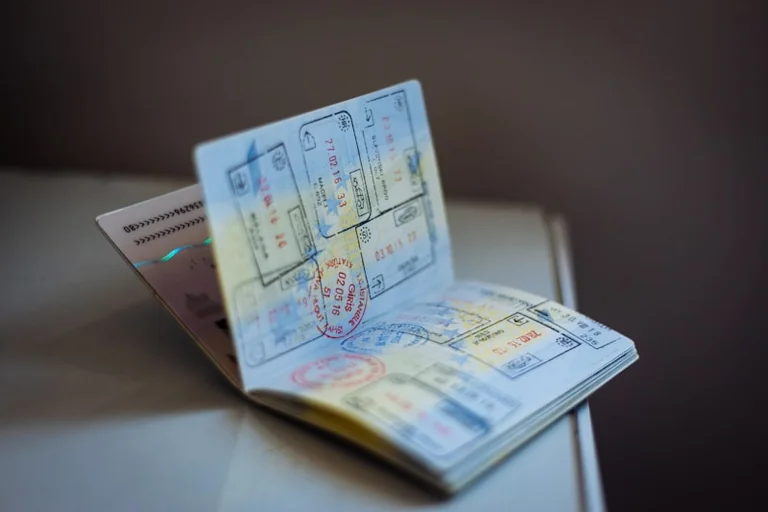
That could affect queues at an airport, ferry terminal or Channel crossing. Allow extra time, particularly when travelling during school holidays, on a first visit after a system change, or when driving through a busy port.
ETIAS travel authorisation
ETIAS is a planned travel authorisation system for eligible visa-exempt visitors to many European countries. It is not a visa, but travellers should not assume that an application will be optional, immediate or available on a date mentioned in an old article or social-media post.
Before booking, check whether ETIAS applies to your nationality, destination and travel date through the European Commission portal. Before travelling, check again alongside the destination-specific GOV.UK advice and your airline or ferry operator’s document rules.
Check these documents before you book
A short pre-booking review can prevent the most common avoidable problems:
- Passport: confirm issue date, expiry date and condition for every traveller, including children.
- Visa or residence documents: a UK passport holder visiting for tourism may have different requirements from a traveller with another nationality, a residence permit or a longer stay planned.
- Return and accommodation evidence: border officers can ask for evidence of an onward journey, accommodation, sufficient funds or the purpose of a visit.
- Travel insurance: buy cover that reflects the activities and countries on your trip. The UK Global Health Insurance Card can help with certain state-provided healthcare in some countries, but it is not a substitute for travel insurance.
- Airline and ferry checks: carriers can refuse boarding when they believe documents do not meet destination rules. Their guidance is useful for boarding requirements, but it does not replace the destination government’s entry rules.
If you are spending more than 90 days in a 180-day period in the Schengen area, working, studying, joining family or travelling with complex residence status, do not rely on a tourist checklist. Seek the destination country’s official immigration guidance before making plans.
Flying, connecting and driving can create different friction points
Your route changes which practical checks matter. A direct flight to Spain may involve one external border check; a connection through an EU airport can put that check at the transit airport. A road trip can add vehicle, insurance and local-equipment requirements that do not arise on a city break by air.
If you are flying through an EU airport
Check whether your connection is within Schengen, whether you need to pass through immigration, and how much transfer time the airline allows. One booking normally gives more protection if a first flight is delayed, but it does not remove the need to carry documents that satisfy the country where you enter.
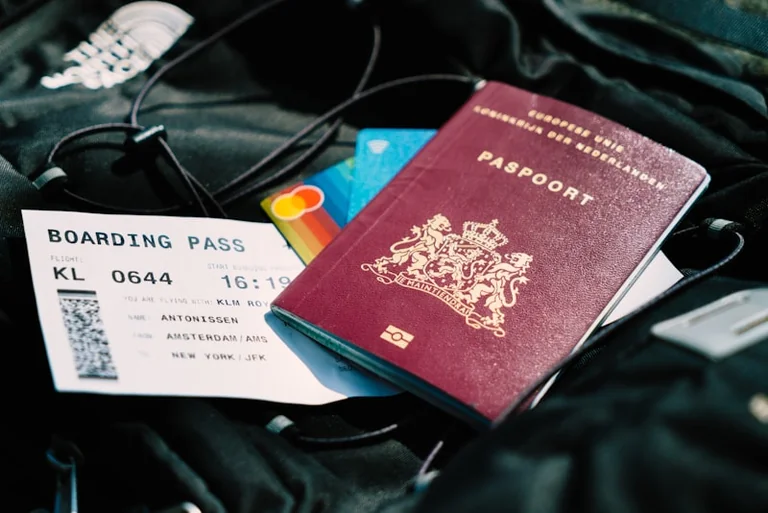
Keep your passport, travel authorisation confirmation if required, itinerary and accommodation details accessible rather than packed in checked luggage. Phone screenshots can help, but a charged phone and a backup copy are more reliable than relying on airport Wi-Fi.
If you are driving in France or elsewhere in Europe
Take your full UK driving licence, vehicle registration document and insurance details. If you are not the registered keeper, carry written permission from the owner or leasing company. Check whether your insurer provides the cover you need abroad and whether the destination requires equipment, emissions documentation, toll registration or a motorway vignette.
France, for example, may have route-specific requirements that differ from a ferry-terminal document check. Plan the drive country by country: local speed rules, clean-air zones, compulsory equipment and breakdown arrangements are not uniform across Europe.
Mobile data and payments need a separate plan
EU roaming protections that applied while the UK was an EU member no longer automatically govern all UK mobile contracts. Some providers include EU data roaming, some apply limits or fair-use terms, and others charge daily fees. Check your allowance, call charges and data cap before you leave.
For travel across several countries, download maps, tickets and accommodation details for offline use. Tell your bank where you are travelling if it recommends doing so, and carry more than one payment method. A card can fail because of a security block, a low contactless limit or a rural location with poor connectivity.
Use official advice first, then confirm with your carrier
The safest order is simple: establish the legal entry requirement with the destination’s official advice, then check the airline, rail operator, ferry company or cruise line for its boarding deadline and document process. A carrier may ask for information earlier than a border authority does because it must decide whether to let you board.
For autumn 2026, revisit the checks shortly before departure. Confirm the countries on your route, passport validity, visa or ETIAS status where relevant, EES procedures, insurance cover, mobile roaming terms and driving documents. A last check is especially important if your flight is rerouted, your itinerary changes, or an operator emails a new document instruction.
The two reliable starting points are GOV.UK foreign travel advice for UK traveller guidance and the European Commission travel portal for EU travel-system information. Match both to the exact destination and date printed on your ticket.
Source: GOV.UK
Context & actions About this article
Source check Travel rule check
Entry procedures can depend on your passport, destination, route and travel date.
- Read GOV.UK advice for every destination and transit country.
- Confirm passport issue and expiry dates before booking.
- Check EES and ETIAS information on the European Commission portal.
- Confirm boarding document requirements with your carrier.
- Source
- GOV.UK foreign travel advice
- Scope
- Europe
- Updated
- 2026-08-29 13:23
Source check
Report a trust issue
Send a clear signal to community moderation if the source, facts or context need review.



Comments