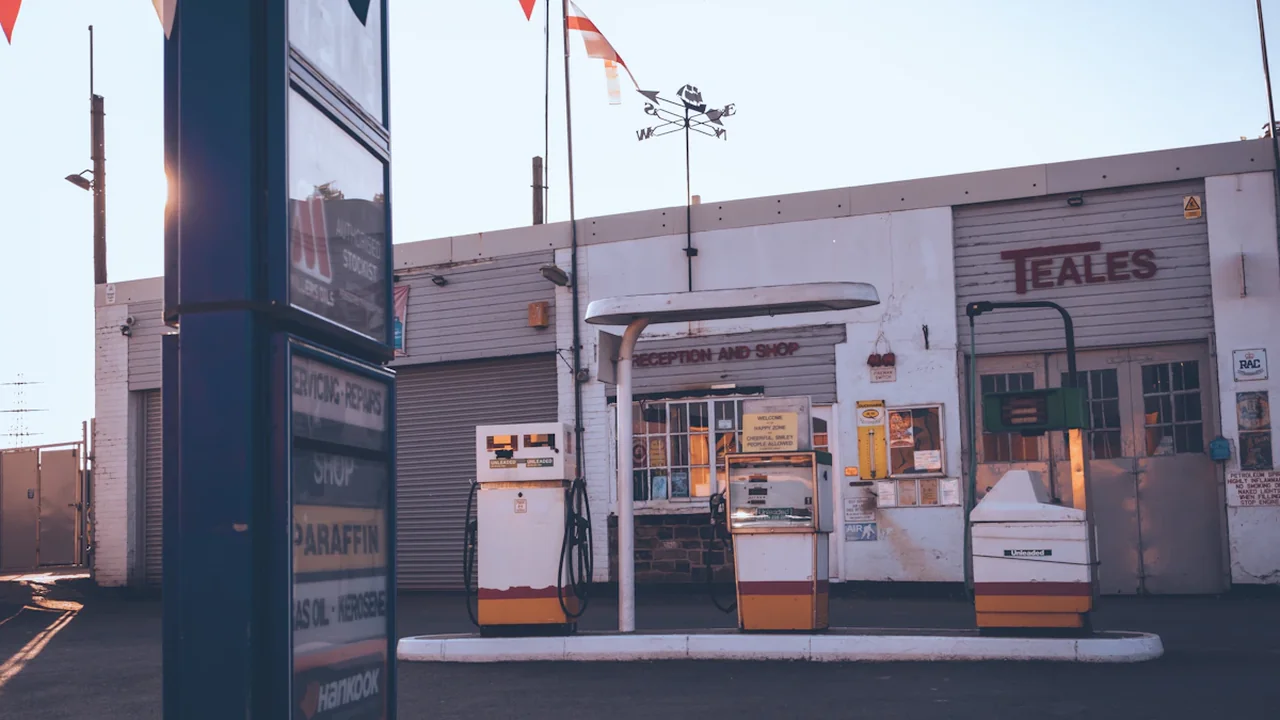
A lower pump price does not automatically mean a cheaper journey. UK drivers should compare the saving on the fuel they plan to buy with the fuel and time consumed reaching the alternative forecourt. A station charging several pence less per litre can still cost more overall if it requires a substantial detour.
By the GlobeBids Consumer Desk
Calculate the fuel cost of any journey
For a vehicle measured in imperial miles per gallon, use this reusable calculation:
- Gallons required = journey distance in miles ÷ miles per gallon.
- Litres required = gallons required × 4.546 litres.
- Fuel cost = litres required × price per litre.
In one line:
Fuel cost = (distance ÷ mpg) × 4.546 × price per litre
Enter the price in pounds for a result in pounds. For example, 145.0p per litre becomes £1.45.
Use a realistic fuel-economy figure rather than relying automatically on the manufacturer’s headline number. Traffic, cold starts, vehicle load, tyre pressure and driving speed can all affect actual consumption. Practical driving and maintenance habits can help lower fuel consumption. A recent trip-computer average may be more useful, although it remains an estimate.
Worked example for a planned trip
Suppose a car averages 45mpg and the driver is planning a 120-mile journey. Assume petrol costs 145p per litre. These are illustrative values, not current national prices.
- Gallons required: 120 ÷ 45 = 2.67 gallons
- Litres required: 2.67 × 4.546 = 12.12 litres
- Estimated fuel cost: 12.12 × £1.45 = £17.57
This figure estimates the fuel used for that journey. It does not include parking, tolls, maintenance or the value of the driver’s time. It also cannot guarantee actual consumption because road and traffic conditions may change.
Compare the pump saving with the detour cost
Now consider a driver who intends to buy 40 litres. A nearby station charges an illustrative 145p per litre, while another charges 140p but requires an eight-mile round-trip detour.
| Example calculation | Amount |
|---|---|
| Pump-price saving on 40 litres | £2.00 |
| Extra fuel for eight miles at 45mpg and 140p/litre | £1.13 |
| Net cash saving before time costs | £0.87 |
The cheaper station saves 5p on each of 40 litres, producing a £2 pump saving. However, the detour uses about 0.81 litres, costing approximately £1.13. The real cash saving falls to about 87p.
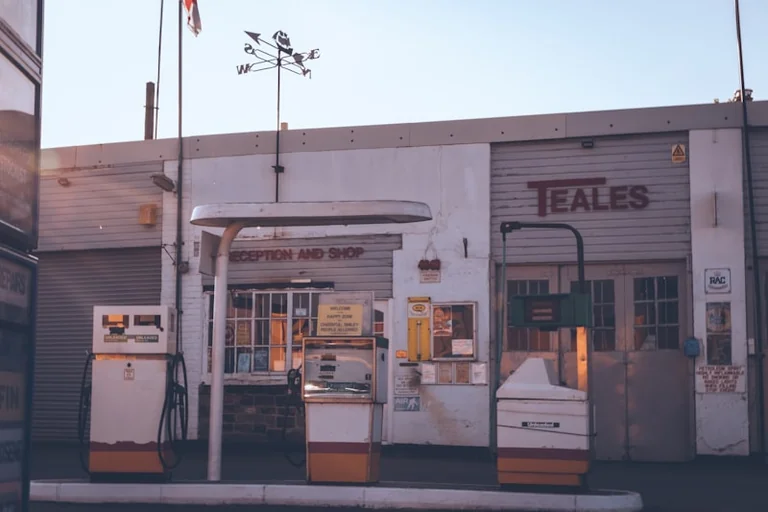
Time can remove the remaining benefit. If the detour adds 20 minutes and the driver chooses to value personal time at £10 an hour, the time cost is £3.33. That makes the farther station more expensive overall under this personal comparison.
Assigning a value to time is optional and subjective. Someone already passing the cheaper station may face almost no additional cost, while a special journey through congestion could eliminate the saving. Queue length and the risk that a displayed price has changed also matter.
A quick break-even test is:
Maximum worthwhile detour cost = litres purchased × price difference per litre
If the additional fuel cost alone exceeds that amount, the detour does not produce a cash saving.
Check live local prices before leaving
The UK Government’s road-fuel price data guidance explains how official fuel-price data can be accessed and reused. This can support comparison services that help drivers assess local petrol and diesel offers.
Prices can change, and a data feed may not reflect every forecourt condition at the exact moment a driver arrives. Check live local data before travelling and, where practical, confirm the price shown by the station or retailer.
The Competition and Markets Authority is the UK’s competition regulator and publishes work concerning road-fuel markets. Its market-monitoring role provides wider context about competition, but it does not make a particular detour economical for an individual driver.
For the most useful comparison, enter your intended purchase volume, realistic mpg, complete detour mileage and current local prices. Then add any time cost that matters to you before deciding whether the cheaper sign represents a genuine saving.
Source: UK Government
Context & actions About this article
Source check Calculation and sources
The calculations use imperial gallons and example prices, while live local figures should be checked before travel.
- Converted imperial gallons using 4.546 litres per gallon
- Included additional fuel consumed by the detour
- Separated cash costs from the optional value of time
- Checked UK Government and CMA context
- Source
- UK Government fuel-price data guidance
- Scope
- United Kingdom
- Updated
- 2026-08-12 09:47
Source check
Report a trust issue
Send a clear signal to community moderation if the source, facts or context need review.


Comments