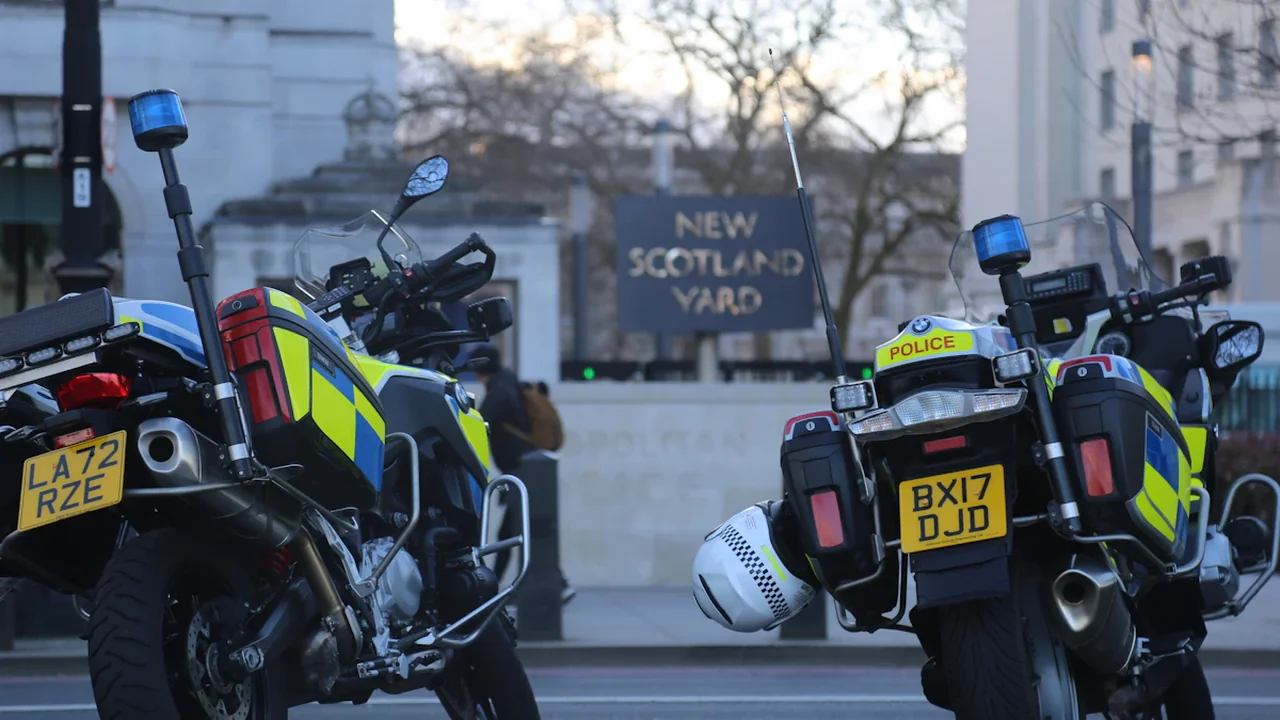
On 29 September 1829, the Metropolitan Police began operations in London. The date marks the start of a new institution for policing the capital, established under the influence of Home Secretary Robert Peel. It is an anniversary of the service’s beginnings, not a claim that policing in London has stayed the same for nearly two centuries.
What began in London on 29 September 1829
The first day was an operational milestone: newly appointed officers began carrying out the work of the Metropolitan Police. That distinction matters. A force can be established through political decisions and legislation before its officers begin their duties. For a date in civic history, the start of operations describes what changed on London’s streets.
Encyclopaedia Britannica dates the establishment of the Metropolitan Police in London to 1829. The anniversary identifies 29 September more precisely as the day the new service began operating. Readers may also encounter 1829 described as the year the force was founded; those descriptions address related stages in the same history rather than separate institutions.
London was the location, and the Metropolitan Police was the institution. The event did not mean that no one had tried to maintain order in the city before then. It marked the beginning of a different, organised approach to policing the metropolis.
Why Robert Peel backed a new police force
The Metropolitan Police emerged from arguments about how a growing London should be policed. Earlier arrangements relied on a mixture of local officers and other systems that did not form a single force for the metropolis. Peel, as Home Secretary, was closely associated with the legislation that created the new service.
The idea was to provide an organised body of officers whose regular duties included patrolling and responding to disorder and crime. That institutional design helps explain why the anniversary has lasted: it marks a change in how public authority was organised, as well as the start of a named police service.
The word metropolitan is part of the story. This was a force created for London as a metropolis, with a defined area of responsibility. Its origins should therefore be understood in the setting of a rapidly changing nineteenth-century city, rather than treated as a ready-made model for every place or every later period.
Peel’s role also explains a familiar historical association between his name and the police. But a single person’s name cannot tell the whole story. Legislation, public debate, the officers who entered service and the Londoners they encountered all belong to the history of how the new institution took shape.
What the anniversary tells us—and what it cannot
An anniversary offers a clear starting point for understanding the Metropolitan Police. It does not compress everything that followed into one unchanging tradition. The service created in 1829 belonged to a different London, with different laws, expectations, methods and lines of accountability from those that apply today.
That is why wording matters. Saying that the Metropolitan Police began operations on 29 September 1829 identifies a historical event. Saying that policing today is simply the same institution at work in the same way would obscure the changes that have taken place since its first officers went on duty.
The date is also an entry point into broader questions about public services. Who decides how a city is policed? What powers do officers have, and how are they held accountable? How do public expectations change? Those questions have had different answers across the force’s history, and the anniversary alone cannot settle them.
Readers looking at the present-day Metropolitan Police should therefore distinguish between an institution’s origin and its current responsibilities. The founding date explains where the service began. Contemporary policing must be understood through current law, policy, practice and public scrutiny.
A lasting date in London’s civic history
For a concise timeline, three points carry the story: Parliament provided for a new metropolitan force in 1829; the Metropolitan Police began operations on 29 September that year; and the service subsequently developed as London and its policing needs changed. The middle point is the reason this particular day appears in accounts of the city’s history.
The anniversary matters because it connects a specific date to a lasting public institution. It invites a closer look at the decision to organise policing across the metropolis and at the people who first put that decision into practice. It also leaves room to examine the institution critically, including how its duties and relationship with the public have changed.
On 29 September, the useful historical question is not whether today’s policing resembles a day in 1829. It is what began on that day, why London created the force, and how an institution with that origin came to occupy its place in the city’s life.
Source: Encyclopaedia Britannica
Context & actions About this article
Source check Historical context
Encyclopaedia Britannica places the Metropolitan Police's establishment in London in 1829; the precise first day of operations should be checked against a dated historical record before publication.
- Confirm 29 September 1829 as the first day of operations in a dated historical record.
- Confirm the distinction between establishment and the start of operations.
- Source
- Encyclopaedia Britannica
- Scope
- London, England
- Updated
- 2026-09-29 09:30
Source check
Report a trust issue
Send a clear signal to community moderation if the source, facts or context need review.



Comments