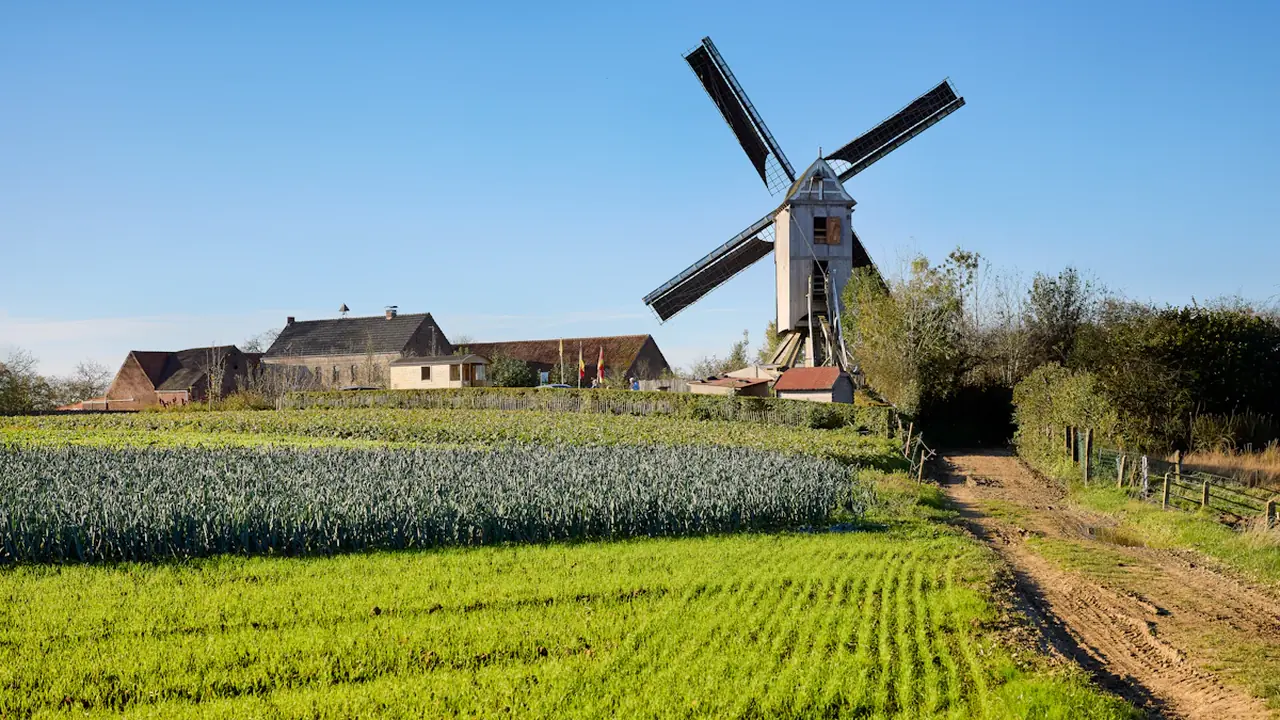
Heritage Open Days returns across England from 11 to 20 September 2026, giving families and other visitors access to participating events without an admission charge. Some places welcome walk-ins, but tours, smaller buildings and normally restricted sites may require advance booking, so check each listing before setting out.
Useful details for Heritage Open Days 2026
- The festival runs from Friday 11 September to Sunday 20 September.
- Participating experiences are free during their listed festival sessions.
- Opening dates, times and admission arrangements vary by venue.
- A free event may still require a timed reservation.
- The official Heritage Open Days website provides searchable listings across England.
How to find free Heritage Open Days events near you
Start with the programme search on the official Heritage Open Days website. Search using a town, city, county or postcode, then narrow the results to the date when you are available.
Do not assume the closest result will run throughout the festival. One building might open for a single afternoon, while another may offer several sessions across the ten-day period. Open each event page and compare the actual dates and times with your travel plans.
A useful local search routine is:
- Enter your location or postcode in the official programme search.
- Choose a suitable date or browse the available festival period.
- Open promising listings rather than relying only on the results summary.
- Check the address, session time and booking instructions.
- Save the listing so that you can review it again before departure.
Only attractions and activities listed as participating experiences are covered by the festival offer. A heritage property may charge its usual admission outside the stated session, and not every historic attraction in England takes part.
Check booking rules before choosing your day out
The word “free” describes the cost, not necessarily the admission process. Larger venues may permit walk-ins, while guided tours, compact interiors, archives, towers and places that are not normally open can have strict capacity limits.
Look for wording that clearly states whether advance booking is required. If reservations are available, note whether the booking covers an entire household or whether every visitor needs an individual place. Complete any required reservation promptly and retain the email, booking reference or digital ticket.
If a session is fully booked, check other dates and nearby listings. Local heritage organisations may offer several different activities within the same area, making it possible to build an alternative low-cost day without relying on one oversubscribed tour.
Avoid arriving without a reservation when the listing says booking is essential. Volunteers at small or restricted sites may be unable to admit extra visitors even when people fail to attend.
Review accessibility, facilities and transport details
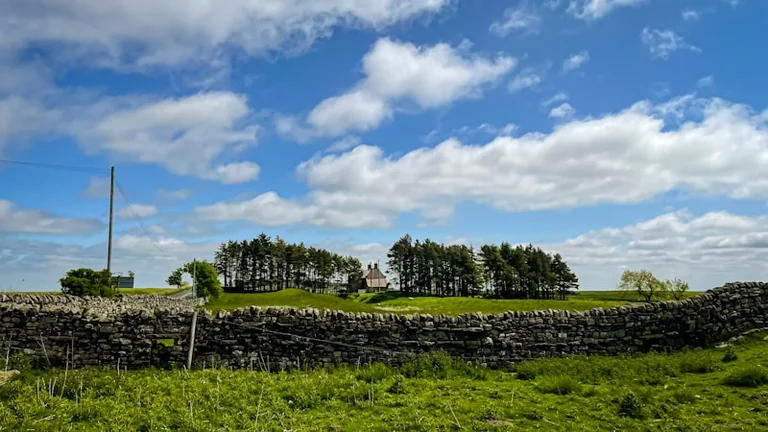
Historic buildings can present practical challenges that are not obvious from a photograph. Before booking, inspect the individual listing for information about steps, uneven surfaces, narrow passages, seating, accessible toilets and wheelchair access.
Families should also check whether pushchairs can enter, whether children must be accompanied during a tour and whether the visit involves long periods of standing. Contact the organiser through the details on the listing if an access requirement is unclear.
Transport planning matters because some sites have little or no visitor parking. Confirm the entrance address rather than relying solely on the building name, and review public transport options, walking distances and any instructions about bicycle parking or drop-off points.
Compare family days out by time as well as cost
A free activity is not automatically the best-value choice if it involves expensive travel or leaves a long gap between timed sessions. Compare nearby options by journey length, visit duration, indoor shelter and facilities such as toilets or places to eat.
For unsettled September weather, keep an indoor alternative in mind. Museums, civic buildings and covered industrial or transport sites may be useful possibilities where they appear in the programme, but their opening and booking conditions still need to be checked individually.
Recheck the listing before travelling
Return to the individual event page shortly before departure. Confirm the date, arrival time, booking status, meeting point, accessibility notes and transport arrangements. Venue-specific periods and capacity rules can differ even between events in the same town.
Bring any reservation confirmation in the format requested and allow time to find the correct entrance. The final check should always be the event’s current listing on the official Heritage Open Days website, especially for a limited-capacity tour or a building opening only once during the festival.
Source: Heritage Open Days
Context & actions About this article
Source check Planning basis
Festival dates and participating-event searches are based on the official Heritage Open Days programme.
- Confirm the individual event date and opening period.
- Check whether advance booking is required.
- Review accessibility and transport information before travelling.
- Retain any reservation confirmation.
- Source
- Heritage Open Days
- Scope
- England
- Updated
- 2026-09-09 14:47
Source check
Report a trust issue
Send a clear signal to community moderation if the source, facts or context need review.



Comments