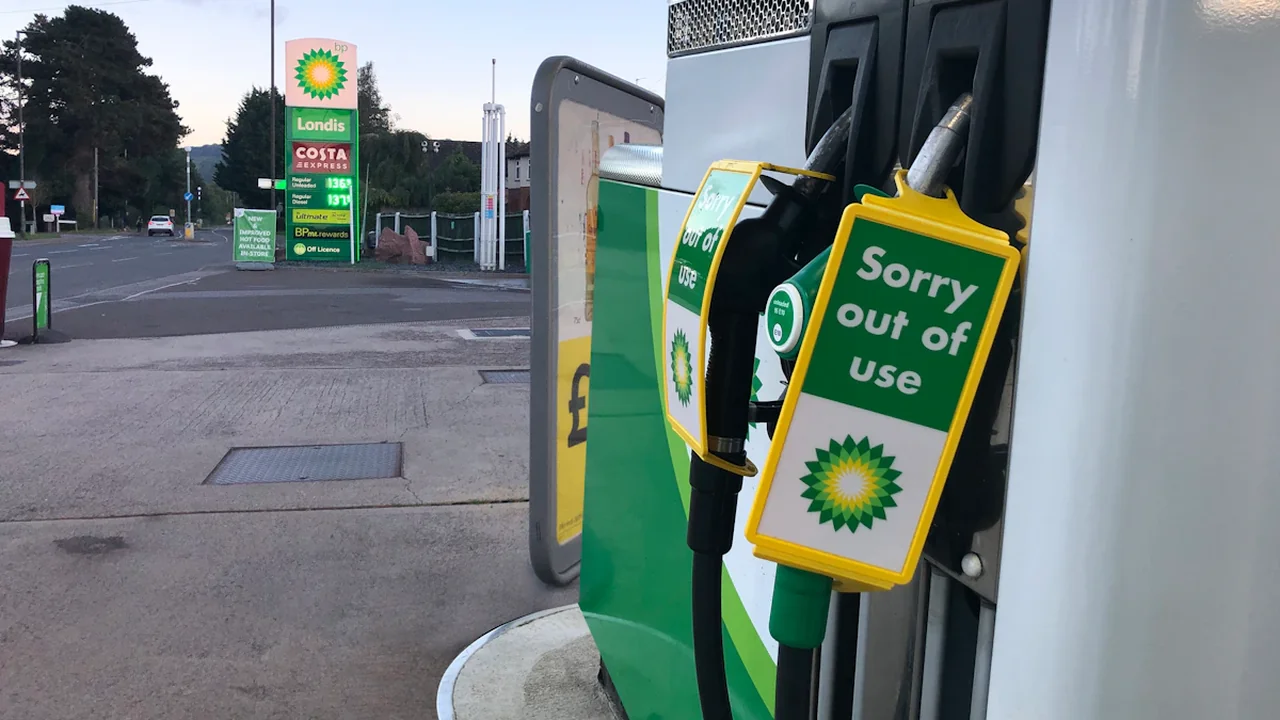
By the GlobeBids Consumer Desk
A forecourt price is not automatically unfair because it exceeds the weekly UK average. The useful test is to compare the same fuel type on the same date, calculate the difference across the litres you need and decide whether reaching a cheaper pump would cost more than it saves. Motorists should start with the latest dated government release, while recognising that motorway, rural and regional conditions can produce legitimate differences.
Start with the latest dated UK benchmark
The Department for Energy Security and Net Zero publishes weekly UK average pump prices for petrol and diesel. Use the newest dated release available on the day of comparison; an older average can mislead when wholesale or retail prices are moving.
Latest benchmark: copy the petrol or diesel figure from the most recent dated government table before comparing it with the forecourt display. This guide does not quote an undated live figure because the official average changes weekly.
Match like with like. Compare petrol with the government petrol average and diesel with the diesel average. Premium grades should not be judged against a regular-fuel benchmark. Record both prices in pence per litre and subtract the lower number from the higher one.
The national figure is a reference point, not a recommended retail price or proof that a particular station is overcharging. RAC Fuel Watch provides additional context on pump-price movements and the factors affecting retail trends.
Turn the pence gap into a full-tank cost
Convert the difference from pence to pounds, then multiply it by the number of litres being bought:
Litres filled × price difference in pounds = saving or extra cost
For example, a 5p-per-litre difference is £0.05 per litre. Across 50 litres, the calculation is 50 × £0.05, producing a £2.50 difference. If only 20 litres are needed, the same price gap is worth £1.
| Price difference per litre | Effect on a 50-litre fill |
|---|---|
| 1p | £0.50 |
| 3p | £1.50 |
| 5p | £2.50 |
| 10p | £5.00 |
These are illustrative calculations, not current pump-price claims. Use the amount actually being purchased rather than the vehicle’s full capacity if the tank is only being topped up.
Motorway and rural prices need local context
Motorway service areas often charge more because they serve drivers who value immediate access and operate in locations with different costs and competitive pressures. A motorway pump can therefore sit well above the UK average without representing the price available in the nearest town.
Rural areas may also have fewer competing forecourts, lower sales volumes and longer supply routes. Conversely, a town with several supermarkets and independent stations close together may experience stronger price competition.
National averages can conceal regional variation. They combine many stations across the country, so they do not show whether a price is typical for a particular county, city or travel corridor. A better local check is to compare three nearby stations selling the same grade, alongside the dated UK average.

Treat one unusually cheap station carefully too. Check whether the displayed figure applies only to members, requires a minimum shop purchase or refers to a different fuel grade.
A detour can erase a small pump saving
Calculate the maximum fuel saving before driving elsewhere. Then estimate the fuel consumed by the extra round trip:
- Divide the additional miles by the vehicle’s miles per gallon.
- Multiply the result by 4.546 to convert imperial gallons to litres.
- Multiply those litres by the actual pump price in pounds.
- Subtract that cost from the expected saving.
An extra 10 miles in a car returning 40mpg uses about 1.14 litres. The cost of that fuel must be deducted from the cheaper station’s apparent saving. Time, congestion, parking and vehicle wear can reduce the benefit further.
A detour is financially sensible only when the remaining saving matters to the household after those costs. Combining the trip with shopping or a normal commute can make a cheaper forecourt more worthwhile because little or no extra mileage is added.
Make the decision before lifting the nozzle
At the forecourt, confirm the fuel grade and displayed price before authorising the pump. Compare it with the newest dated UK average and nearby alternatives, calculate the effect on the litres required, and include any additional journey cost.
The next weekly government release may change the benchmark, but it will not determine whether today’s local price is fair by itself. The strongest comparison uses the official figure, several genuinely accessible local pumps and the real cost of reaching them.
Source: Department for Energy Security and Net Zero
Context & actions About this article
Source check How the comparison works
The method compares a dated UK average with like-for-like local prices, tank volume and the cost of any detour.
- Use the newest dated government petrol or diesel average.
- Compare the same fuel grade at accessible local stations.
- Calculate the difference using the litres actually required.
- Deduct the fuel cost of any additional journey.
- Source
- Department for Energy Security and Net Zero
- Scope
- United Kingdom
- Updated
- 2026-08-14 17:13
Source check
Report a trust issue
Send a clear signal to community moderation if the source, facts or context need review.



Comments