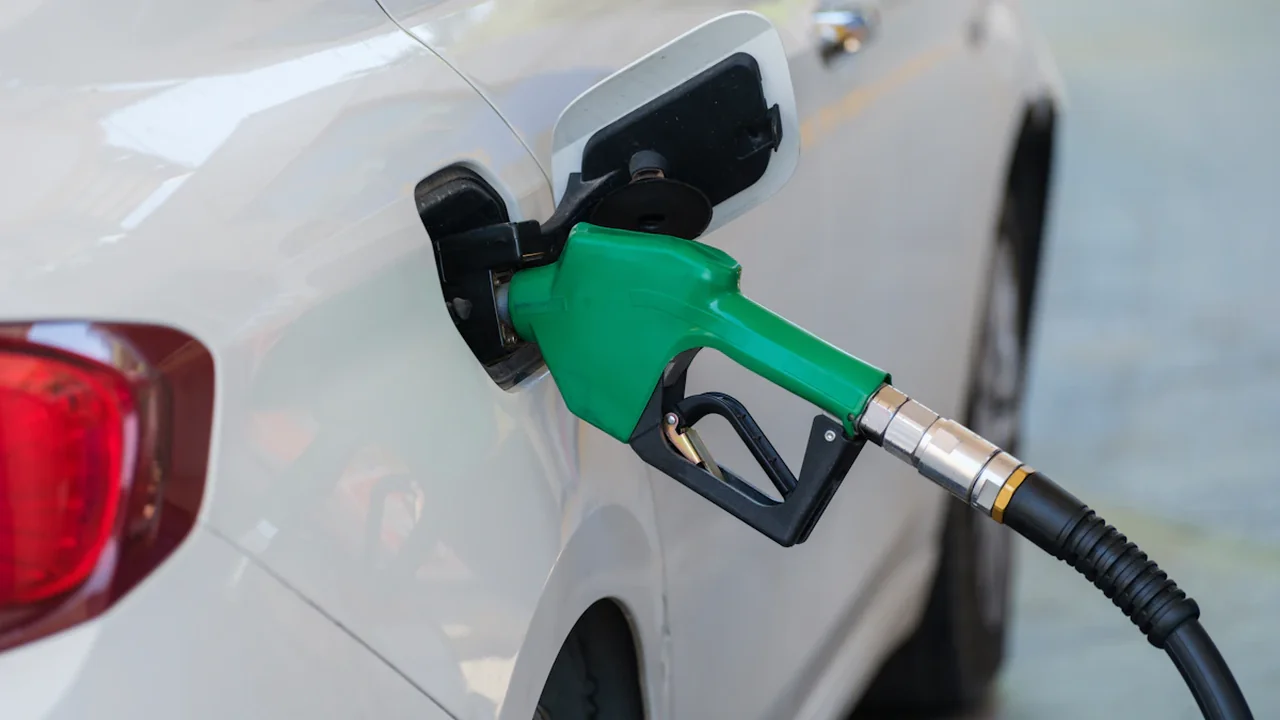
Managing household transport budgets requires a clear understanding of the difference between national averages and the price you see at your local pump. As of the latest data from the Department for Energy Security and Net Zero, national road-fuel averages are updated weekly, providing a benchmark for the UK market. These figures, alongside monitoring services like RAC Fuel Watch, offer a snapshot of broader market trends, but they rarely reflect the exact price at your nearest forecourt.
Why Local Prices Vary
It is common for drivers to notice discrepancies between the national average and their local station. Several factors contribute to these variations:
- Supply Chain Lag: Wholesale oil prices fluctuate daily, but it takes time for these changes to filter through to individual forecourts. Retailers often adjust prices based on when they bought their current stock.
- Local Competition: Stations in areas with multiple competing outlets—such as supermarkets—often lower prices to drive volume, whereas independent stations in rural areas may have less pricing pressure.
- Operating Costs: Business rates, staff wages, and the logistics of transporting fuel to specific regions vary significantly, impacting the final price at the pump.
- Motorway Premiums: Service stations on major motorways typically charge a significant premium. This reflects the convenience of their location and the fact that drivers are often a ‘captive audience’ with limited alternatives.
Estimating Your Tank Cost
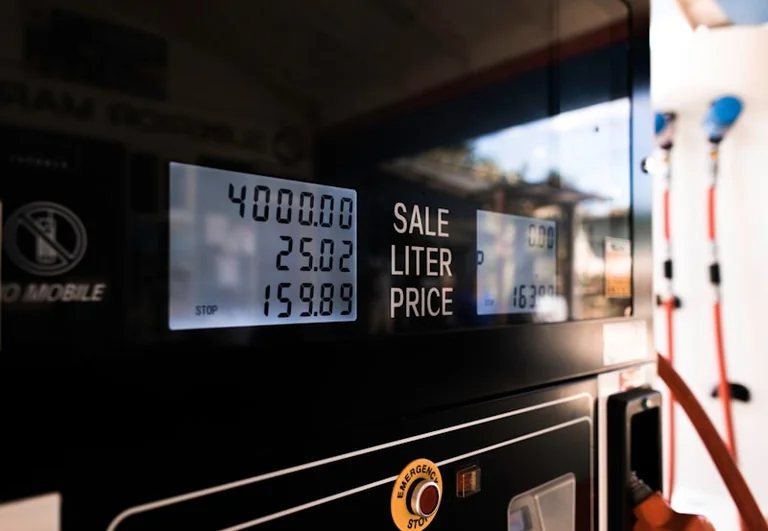
To calculate your next fill-up, multiply your vehicle’s tank capacity by the current price per litre. For instance, if your local station charges 145p per litre, a 55-litre tank will cost £79.75. Always check the specific price displayed on the digital sign at the entrance, as this is the only rate that applies to your transaction.
| Tank Capacity | Cost at 140p/L | Cost at 150p/L |
|---|---|---|
| 45 Litres | £63.00 | £67.50 |
| 55 Litres | £77.00 | £82.50 |
| 65 Litres | £91.00 | £97.50 |
Practical Fuel Habits
While it is tempting to drive further to find a cheaper price, the fuel consumed during a detour often offsets the savings. If you are already passing a cheaper station, it is worth filling up, but avoid making a special trip unless the price difference is substantial and the station is nearby.
It is important to note that these national averages do not account for individual driving habits, which remain the most significant factor in fuel economy. Maintaining steady speeds, avoiding aggressive acceleration, and ensuring your tyres are properly inflated are more reliable ways to reduce your overall fuel expenditure than chasing small price fluctuations across different towns.
Source: Department for Energy Security and Net Zero
Context & actions About this article
Source check Data sources
Data is based on official government statistics and industry monitoring services.
- Check current government weekly road fuel statistics
- Compare local prices using the RAC Fuel Watch guide
- Source
- Department for Energy Security and Net Zero
- Scope
- United Kingdom
- Updated
- 2026-08-23 11:59
Source check
Report a trust issue
Send a clear signal to community moderation if the source, facts or context need review.




Comments